

Operation Process and Working Principle of Dry Powder Bulk Material Conveying Lines
Dry powder bulk material conveying lines are critical industrial equipment designed for the efficient transportation of various dry powders and granular materials. These systems are widely employed across multiple sectors, including chemical manufacturing, food processing, pharmaceuticals, and mining, due to their ability to handle diverse materials with high efficiency and minimal loss. The operation of such lines involves a series of interconnected components that work in harmony to ensure smooth and reliable material transport from the source to the destination, making them indispensable in modern industrial processes.
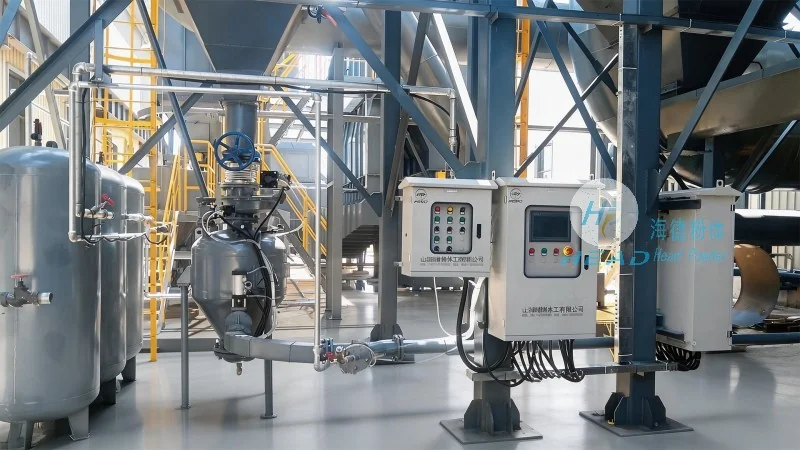
Company Overview: Shandong HeadPowder Engineering Co., Ltd.
HeadPowder, a prominent player in the material handling industry, is dedicated to providing advanced solutions for dry powder conveying. HeadPowder, with its headquarters in Shandong, China, specializes in the design, manufacturing, and installation of customized conveying systems tailored to meet the unique requirements of clients. The company’s commitment to quality, innovation, and customer satisfaction has positioned it as a trusted partner, delivering reliable equipment that enhances operational efficiency and reduces downtime. HeadPowder’s expertise in engineering and manufacturing ensures that each conveying line is built to withstand the demands of industrial applications, providing long-term performance and durability.
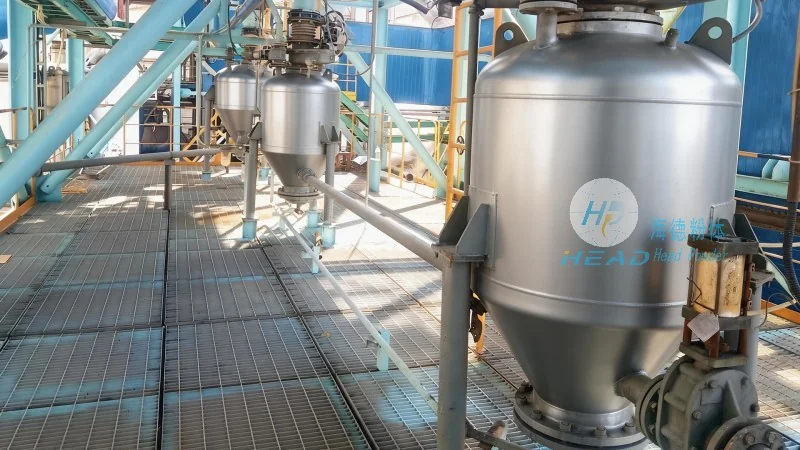
Key Components of a Dry Powder Conveying Line
A typical dry powder conveying line comprises several essential components that contribute to its overall functionality. The material feed hopper is the first component, responsible for holding the bulk material and regulating the flow rate. This hopper is designed to prevent material bridging and ensure a consistent feed to the conveyor. The conveyor itself is the core of the system, which may be pneumatic or mechanical depending on the application. Pneumatic conveyors use compressed air to transport the powder, while mechanical conveyors rely on screws, belts, or other mechanical means. The control system is another critical component, which monitors and adjusts parameters such as pressure, flow rate, and temperature to maintain optimal operation. Each component is carefully selected and integrated to ensure the conveying line operates efficiently and reliably.
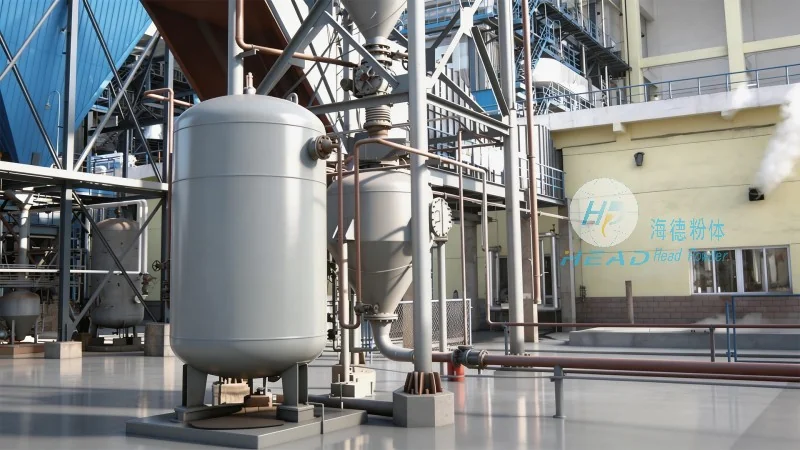
The Operation Process of Dry Powder Conveying Lines
The operation of a dry powder conveying line begins with the loading of the material into the feed hopper. The material is then fed into the conveyor system, which transports it to the desired location. In pneumatic systems, compressed air is introduced into the pipeline, creating a flow that carries the powder particles. The air pressure and velocity are carefully controlled to ensure the powder is transported without causing excessive wear or degradation. In mechanical systems, the material is moved by rotating screws or moving belts, which push the powder along the conveyor. The control system continuously monitors the system’s performance, adjusting parameters as needed to maintain stability. This process ensures that the conveying line operates smoothly, minimizing the risk of material blockages or system failures.
Working Principle of Dry Powder Conveying Systems
The working principle of dry powder conveying systems varies based on the type of system used. Pneumatic conveying systems operate by utilizing compressed air to create a flow that carries the powder particles through the pipeline. The air pressure and velocity are optimized to ensure the powder is transported efficiently without causing damage to the material or the system. Mechanical conveying systems, on the other hand, rely on mechanical components such as screws or belts to move the material. These systems are particularly suitable for bulkier materials and larger particle sizes. The choice of system depends on factors such as material properties, distance to be transported, and environmental considerations. Both pneumatic and mechanical systems are designed to handle different types of powders, with pneumatic systems being more effective for fine powders and mechanical systems for coarser materials.
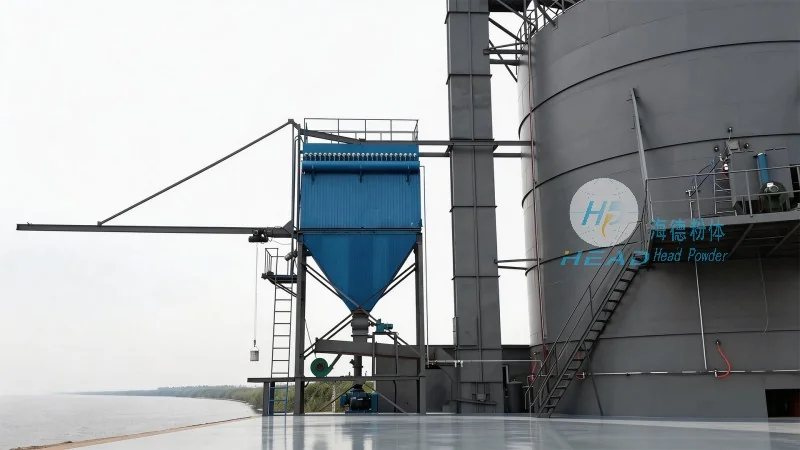
Advantages of Dry Powder Conveying Lines
Dry powder conveying lines offer several significant advantages over traditional material handling methods. One of the primary benefits is the ability to transport materials over long distances with minimal loss and contamination. The enclosed system prevents dust from escaping into the environment, ensuring compliance with environmental regulations and maintaining a clean working environment. Additionally, these systems are highly efficient, reducing labor costs and increasing production throughput. The modular design of the conveying lines allows for easy customization and expansion, making them suitable for both small-scale and large-scale operations. Furthermore, dry powder conveying lines are low maintenance, with fewer moving parts compared to other systems, reducing the risk of breakdowns and maintenance costs.