

Operation Process and Working Principle of Cast Gray Powder Conveying Line
Cast gray powder, a vital material in foundry production, demands efficient and reliable conveying systems to facilitate smooth material handling. The cast gray powder conveying line is engineered to meet these requirements by integrating advanced technology and robust engineering. This article delves into the operation process and working principle of such a system, highlighting key components and their functions.
Key Components of the Conveying Line
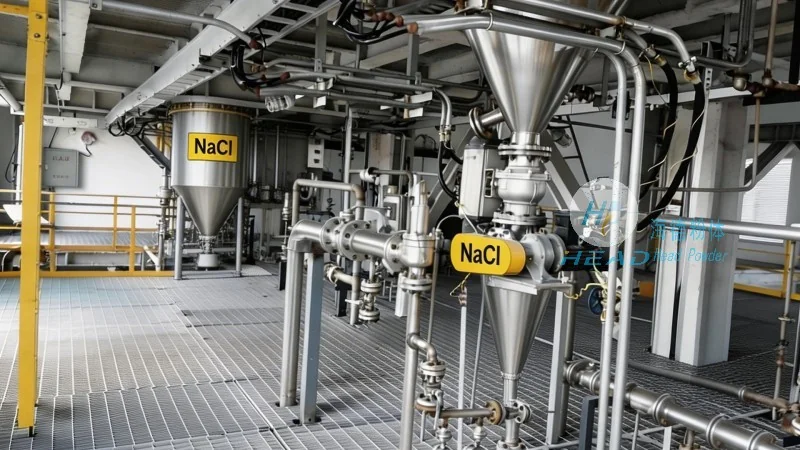
The cast gray powder conveying line typically comprises several essential components that collaborate to transport the material. These include feeders, conveyors, dust collectors, and control systems. Each component plays a critical role in maintaining the efficiency and safety of the operation. The feeders are responsible for uniformly feeding the cast gray powder into the conveyor system, ensuring consistent material flow. The conveyors, often equipped with specialized belts or buckets, transport the powder from the source to the destination. Dust collectors are integrated to manage airborne particles, enhancing environmental compliance and worker safety. Control systems monitor and regulate the entire process, allowing for real-time adjustments to maintain optimal performance.
Operation Process of the Conveying Line
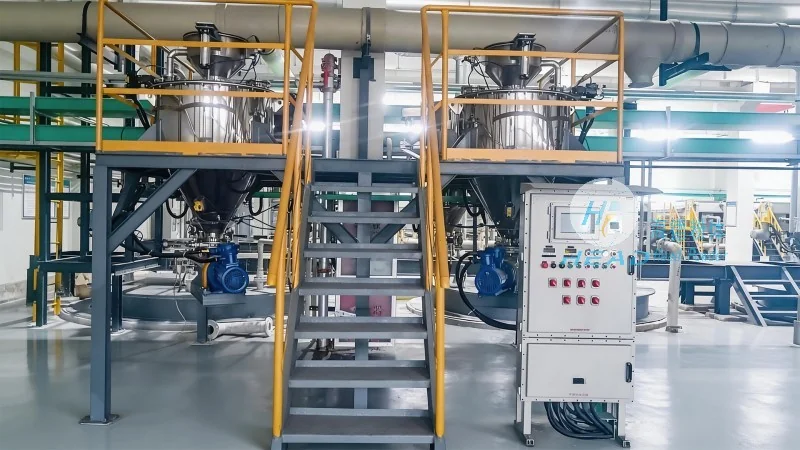
The operation of the cast gray powder conveying line follows a systematic sequence of steps. Initially, the cast gray powder is fed into the system through the feeder, which ensures a steady supply of material. The feeder then transfers the powder to the conveyor, which moves it along the designated path. As the powder travels, it may pass through intermediate storage or processing units, such as mixers or classifiers, depending on the production requirements. The dust collector continuously captures any airborne particles, preventing contamination and maintaining air quality. The control system oversees all operations, monitoring parameters like flow rate, pressure, and temperature to ensure the system operates within safe and efficient limits. This integrated approach ensures that the conveying line functions reliably and efficiently, minimizing downtime and maximizing productivity.
Working Principle of the Conveying Line
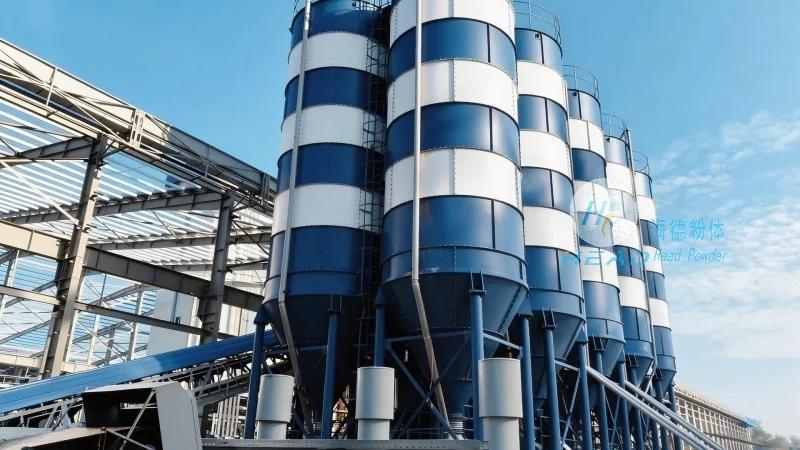
The working principle of the cast gray powder conveying line is based on mechanical and pneumatic systems that work in tandem to transport the material. The primary mechanism involves the use of conveyors, which can be either belt-driven or bucket-type, depending on the specific application. The feeders use gravity or mechanical force to move the powder into the conveyor. The conveyor then uses friction or vacuum to pull the material along the path. Dust collectors employ filtration systems, such as bag filters or cyclones, to capture and collect the fine particles. The control system uses sensors and controllers to regulate the speed and direction of the conveyor, as well as the operation of the dust collector. This coordinated operation ensures that the entire system operates smoothly, with minimal energy consumption and maximum material throughput. The design of the conveying line is optimized to handle the unique properties of cast gray powder, such as its fine particle size and potential for dust generation, making it suitable for various foundry applications.
Benefits of Using a Cast Gray Powder Conveying Line
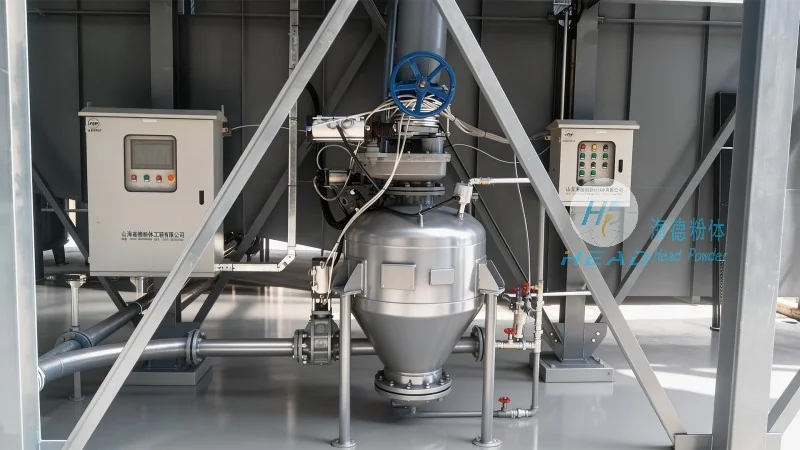
Implementing a cast gray powder conveying line offers several benefits for foundry operations. Firstly, it enhances material handling efficiency by reducing manual labor and minimizing material loss. The automated system ensures consistent flow rates, leading to improved production throughput. Secondly, it improves safety by reducing exposure to airborne dust and minimizing the risk of accidents associated with manual handling. The integrated dust collection system helps maintain a clean and healthy working environment. Thirdly, it enhances product quality by preventing contamination and ensuring uniform material distribution. The consistent flow and controlled environment contribute to better casting results and reduced defects. Finally, the system is designed for durability and low maintenance, reducing long-term operational costs. The robust construction and advanced control systems ensure long service life and minimal downtime, making it a cost-effective solution for foundry operations.