

Operation Process and Working Principle of Calcium Chloride Pneumatic Conveying System Equipment
Calcium chloride, a widely used chemical in various industrial applications, often requires efficient and reliable transportation methods. The pneumatic conveying system equipment designed for calcium chloride handling offers a solution that combines safety, efficiency, and flexibility. This article delves into the operation process and working principle of such systems, providing insights into how they function to ensure optimal performance in material handling tasks.
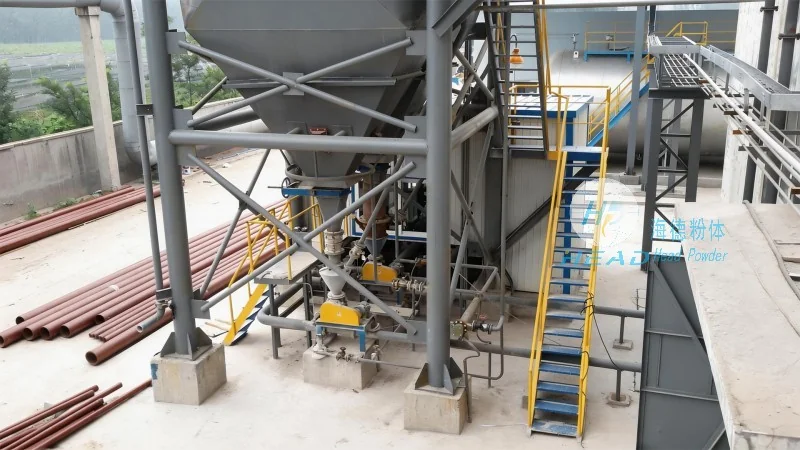
Introduction to Calcium Chloride Pneumatic Conveying Systems
Calcium chloride (CaCl₂) is a hygroscopic salt commonly used in de-icing, water treatment, and as a desiccant. Its handling demands specialized equipment due to its properties, including high moisture absorption and potential for dust generation. Pneumatic conveying systems provide an effective means to transport calcium chloride from storage to processing or packaging areas without the need for mechanical components that might cause contamination or wear. The system typically consists of a series of components, including a hopper, feeder, air compressor, conveying line, and receiver, all working in tandem to move the material through the system.
Company Overview: Shandong HeadPowder Engineering Co., Ltd.
Shandong HeadPowder Engineering Co., Ltd., a leading manufacturer in the field of powder handling equipment, specializes in designing and manufacturing pneumatic conveying systems tailored to the needs of various industries. With a focus on innovation and quality, the company has established itself as a trusted partner for businesses requiring reliable calcium chloride handling solutions. HeadPowder's expertise lies in understanding the unique challenges of handling calcium chloride and developing systems that ensure safety, efficiency, and compliance with industry standards. The company is based in Shandong, China, and serves clients globally with customized equipment solutions.
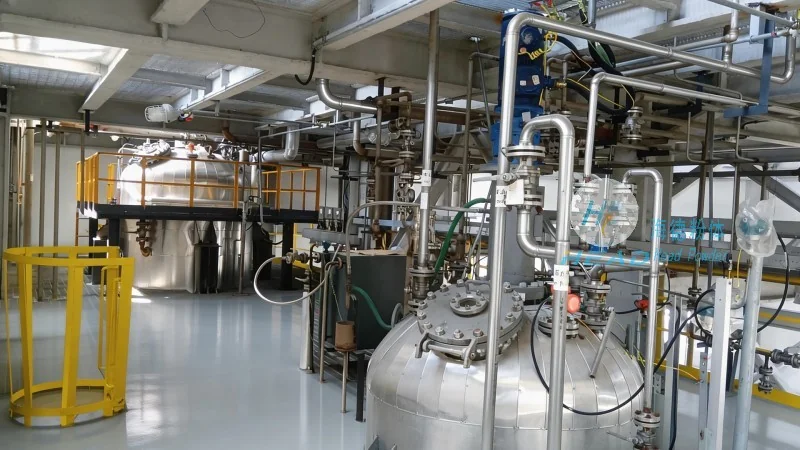
The Operation Process of Calcium Chloride Pneumatic Conveying Systems
The operation of a calcium chloride pneumatic conveying system involves several sequential steps, each critical to the smooth and safe transport of the material. The process begins with the material being fed from a storage hopper into a feeder, which controls the flow rate to match the system's requirements. The feeder then transfers the calcium chloride into the conveying line, where it is mixed with compressed air. The air, acting as the conveying medium, propels the material through the pipeline to the receiving hopper or processing unit. The system's control panel monitors parameters such as air pressure, flow rate, and material level, ensuring that the operation remains within safe and efficient limits. The entire process is automated, minimizing human intervention and reducing the risk of errors or accidents.
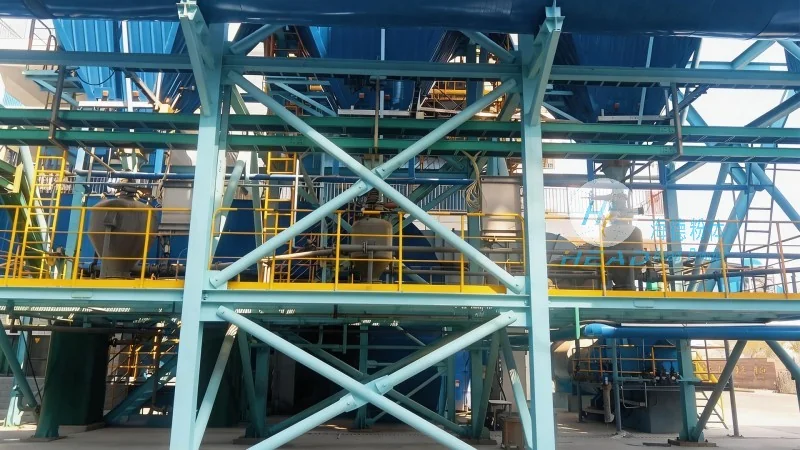
Working Principle of the Pneumatic Conveying System
The core principle of pneumatic conveying is the use of air to transport solid materials. In the case of calcium chloride, the system operates on the principle of dilute phase conveying, where the material is suspended in the air stream and transported through the pipeline. The air compressor generates the necessary pressure to move the material, and the conveying line is designed to minimize pressure loss and ensure consistent flow. The system's design considers factors such as the material's density, particle size, and moisture content to optimize the conveying efficiency. The receiver at the end of the line collects the calcium chloride, which is then discharged into the next stage of processing. The system also includes safety features, such as pressure relief valves and dust collection systems, to prevent over-pressurization and protect against dust emissions.
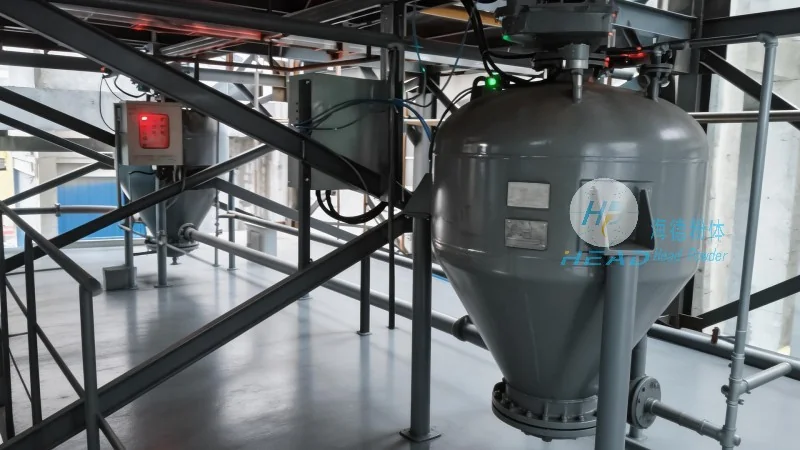
Key Components and Their Functions
Several key components make up a calcium chloride pneumatic conveying system, each playing a vital role in the overall operation. The hopper serves as the storage container, providing a controlled environment for the material. The feeder, often a rotary valve or screw feeder, regulates the material flow into the conveying line. The air compressor generates the compressed air required to move the material, with the pressure and flow rate adjustable based on the system's needs. The conveying line, typically made of stainless steel or other corrosion-resistant materials, ensures the material is transported without degradation. The receiver collects the material at the end of the line, and the control panel monitors and controls all system parameters. Additionally, the system may include a dust collector to capture any airborne particles and a filter to maintain air quality.
Advantages of Using Pneumatic Conveying for Calcium Chloride
Implementing a pneumatic conveying system for calcium chloride offers several advantages over traditional mechanical methods. Firstly, it eliminates the need for moving parts in contact with the material, reducing the risk of contamination and wear. Secondly, the system provides a dust-free environment, improving workplace safety and compliance with environmental regulations. Thirdly, the automated operation minimizes labor costs and increases production efficiency. Fourthly, the system can handle varying material flow rates and can be easily integrated with other processing equipment. These benefits make pneumatic conveying an ideal choice for industries dealing with calcium chloride, ensuring reliable and efficient material handling.