

Operation Process and Working Principle of Silicate Pneumatic Conveying System Equipment
HeadPowder, a leading provider of industrial conveying solutions, specializes in the design, manufacturing, and installation of advanced silicate pneumatic conveying systems. Based in Shandong, China, the company leverages decades of expertise to deliver efficient and reliable equipment for handling silicate materials. This article delves into the operational process and working principles of such systems, highlighting key components, flow mechanisms, and the technical advantages that make them indispensable in modern material handling applications.
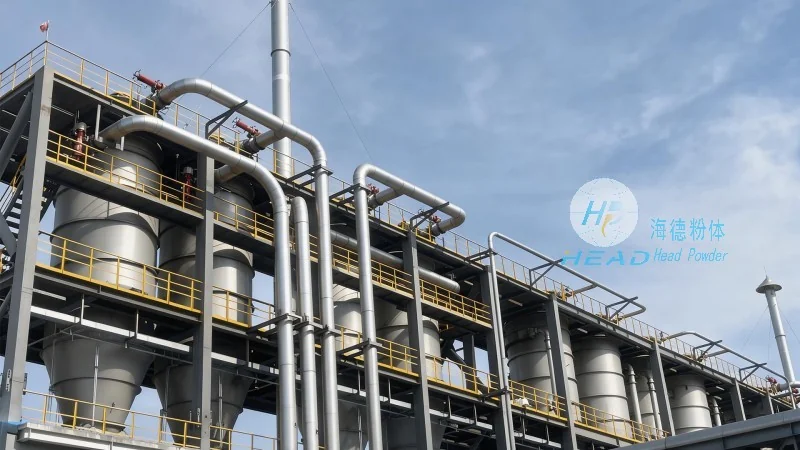
Overview of Silicate Pneumatic Conveying Systems
Silicate materials, including powders and granules derived from minerals like silica, kaolin, and other industrial silicates, are widely used in sectors such as ceramics, glass, construction, and chemical manufacturing. Traditional handling methods like bucket elevators or belt conveyors often face challenges with dust, material degradation, and operational inefficiencies. Pneumatic conveying systems offer a solution by transporting these materials through a pipeline using compressed air, providing a dust-free, low-maintenance, and flexible method of material transport.
Key Components of the Pneumatic Conveying System
The silicate pneumatic conveying system typically consists of several core components that work in tandem to ensure smooth material transport. These include a material feeder, a conveying pipeline, a pressure vessel or receiver, a blower or air compressor, and control valves. Each component plays a critical role in the overall operation:
1. Material Feeder: This component is responsible for feeding the silicate material into the system. It may be a rotary valve, a screw feeder, or a hopper with a gate mechanism, ensuring a consistent and controlled flow of material into the pipeline. The feeder is designed to handle the specific characteristics of silicate powders, such as particle size, moisture content, and flowability, to prevent blockages or uneven feeding.
2. Conveying Pipeline: The pipeline is the main channel through which the silicate material is transported. It is usually made of stainless steel or other corrosion-resistant materials to withstand the chemical properties of silicate powders and the effects of compressed air. The pipeline may include bends, elbows, and expansion joints to accommodate changes in direction and pressure, ensuring minimal material loss and efficient flow.
3. Pressure Vessel or Receiver: The receiver is a storage tank that collects the conveyed material at the end of the pipeline. It is equipped with a discharge valve and a vent to allow for the release of air and material. The receiver may also include a filter or cyclone to separate any fine particles from the air before it is released, maintaining air quality and preventing contamination.
4. Blower or Air Compressor: The blower or air compressor generates the compressed air required to move the material through the pipeline. The choice of equipment depends on the system's capacity and the characteristics of the silicate material. High-pressure blowers are often used for long-distance or high-capacity conveying, while low-pressure systems may use air compressors for shorter distances or lighter loads.
5. Control Valves: These valves regulate the flow of air and material within the system. They include inlet and outlet valves, pressure relief valves, and flow control valves, allowing operators to adjust the system's performance based on the material's properties and operational requirements. Proper control ensures optimal energy efficiency and prevents system overloading.
The Operational Process of the Silicate Pneumatic Conveying System
The operation of the silicate pneumatic conveying system follows a sequential process that ensures efficient material transport from the source to the destination. The steps involved are as follows:
1. Material Loading: The silicate material is loaded into the feeder from a storage hopper or silo. The feeder then meters the material into the conveying pipeline at a controlled rate, ensuring a consistent flow.
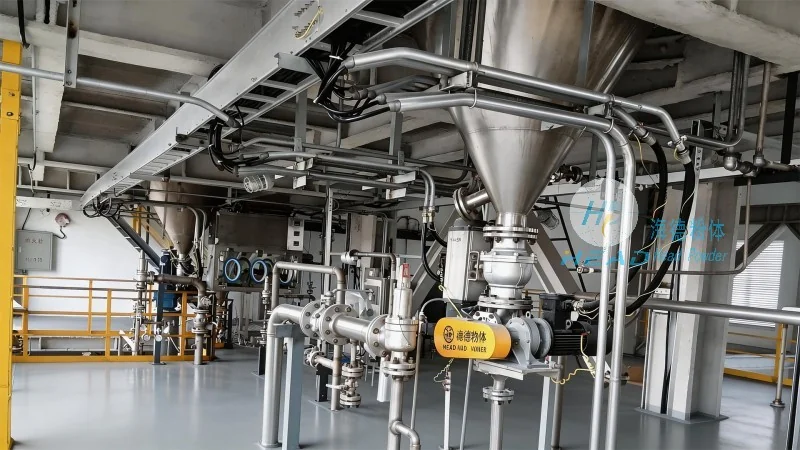
2. Air Injection: Compressed air from the blower is introduced into the pipeline at the feeder end. The air creates a low-pressure zone that draws the material into the pipeline, forming a slurry or suspension of material and air.
3. Material Transport: The slurry travels through the pipeline under the pressure of the compressed air. The air velocity is maintained at a level sufficient to keep the material suspended and prevent settling or blockages. The pipeline's design, including bends and fittings, is optimized to minimize pressure loss and maintain the material's flow.
4. Material Deposition: At the end of the pipeline, the material is deposited into the receiver. The air continues to flow through the receiver, carrying any fine particles to a filter or cyclone for separation. The receiver's discharge valve is then opened to allow the material to be discharged into the final storage or processing area.
5. Air Exhaust: The filtered air is then released from the receiver, completing the cycle. The system may include a vent or exhaust system to ensure proper air circulation and prevent pressure buildup.
Working Principle of the Pneumatic Conveying System
The working principle of the silicate pneumatic conveying system is based on the fundamental physics of fluid dynamics and particle suspension. The system utilizes the kinetic energy of compressed air to lift and transport the silicate material through the pipeline. The key principles include:
1. Particle Suspension: The compressed air creates a high-velocity flow that suspends the silicate particles in the air stream. The air velocity must be sufficient to overcome the gravitational force acting on the particles, ensuring they remain in suspension throughout the transport process.
2. Pressure Differentiation: The system operates on the principle of pressure differentiation, where the pressure at the feeder end is higher than at the receiver end. This pressure gradient drives the material and air through the pipeline, maintaining the flow direction and preventing backflow.
3. Energy Efficiency: The efficiency of the system is influenced by the air velocity, pipeline diameter, and material properties. Optimal design ensures that the minimum air velocity required to suspend the material is used, minimizing energy consumption while maintaining reliable transport.
4. Material Handling Flexibility: Pneumatic conveying systems are highly flexible, allowing for changes in material flow rate, pipeline length, and destination without significant modifications. This adaptability makes them suitable for a wide range of applications, from short-distance conveying to long-distance transport over several hundred meters.
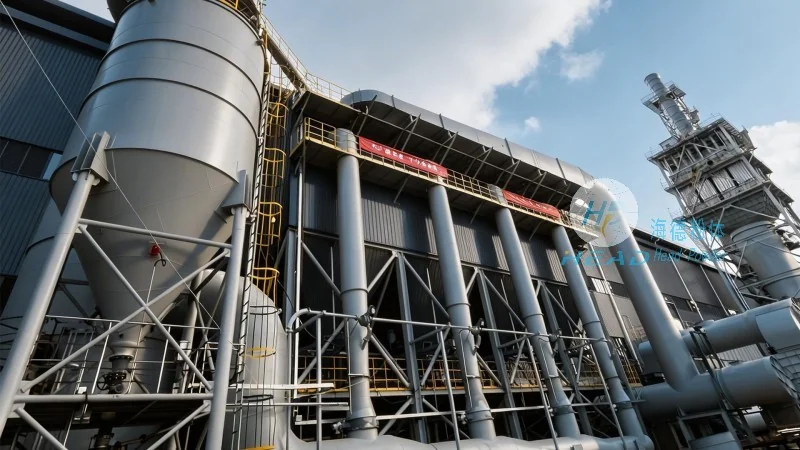
Technical Advantages of Silicate Pneumatic Conveying Systems
HeadPowder's silicate pneumatic conveying systems offer several technical advantages that make them superior to traditional material handling methods. These advantages include:
1. Dust-Free Operation: Unlike bucket elevators or belt conveyors, pneumatic systems transport materials in a closed pipeline, eliminating dust emissions and improving workplace safety. This is particularly important for silicate materials, which can be harmful if inhaled.
2. Low Maintenance: The absence of moving parts in the pipeline reduces wear and tear, resulting in lower maintenance costs and longer equipment life. The system's components are designed for durability and easy replacement.
3. Energy Efficiency: Advanced blowers and optimized pipeline designs reduce energy consumption compared to other conveying methods. The system's efficiency is further enhanced by the use of variable speed drives and pressure control systems.
4. Material Protection: The closed system prevents material contamination from external sources and minimizes degradation due to exposure to air or moisture. This is crucial for silicate materials used in high-purity applications, such as ceramics or pharmaceuticals.
5. Space Efficiency: Pneumatic conveying systems require less floor space compared to traditional conveyors, making them ideal for facilities with limited space or complex layouts.
Applications of Silicate Pneumatic Conveying Systems
Silicate pneumatic conveying systems are widely used in various industries due to their versatility and efficiency. Some common applications include:
1. Ceramics and Glass Manufacturing: Transporting raw materials like silica sand, kaolin, and feldspar to production lines, ensuring a consistent supply of high-quality materials.
2. Construction Materials: Conveying cement, lime, and other silicate-based powders to construction sites or storage facilities, improving material handling efficiency and reducing labor costs.