

Operation Process and Working Principle of Corn Kernels Pneumatic Conveying System Equipment
The company, Shandong HeadPowder Engineering Co., Ltd., specializes in the design and manufacturing of advanced pneumatic conveying systems tailored for corn kernels and other bulk materials. HeadPowder is headquartered in Shandong, China, and has established itself as a leading provider in the field of material handling solutions.
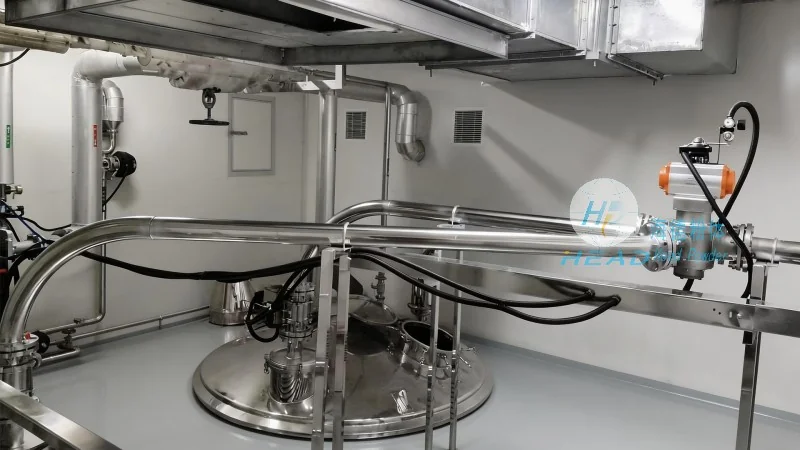
Overview of Corn Kernels Pneumatic Conveying Systems
The operation of a corn kernels pneumatic conveying system involves a systematic process that ensures efficient and reliable transport of corn kernels from the source to the destination. At its core, the system utilizes air as the primary medium to move the material through a network of pipes and components. The working principle revolves around creating a pressure differential that propels the corn kernels forward.
Step-by-Step Operation Process
1. Material Loading: The process begins with the loading of corn kernels into the hopper or storage silo. The hopper is equipped with a feeder that controls the flow rate of the material into the system.
2. Air Intake and Compression: A fan or blower generates the necessary air pressure. This air is then introduced into the conveying line, creating a flow that pulls the corn kernels along.
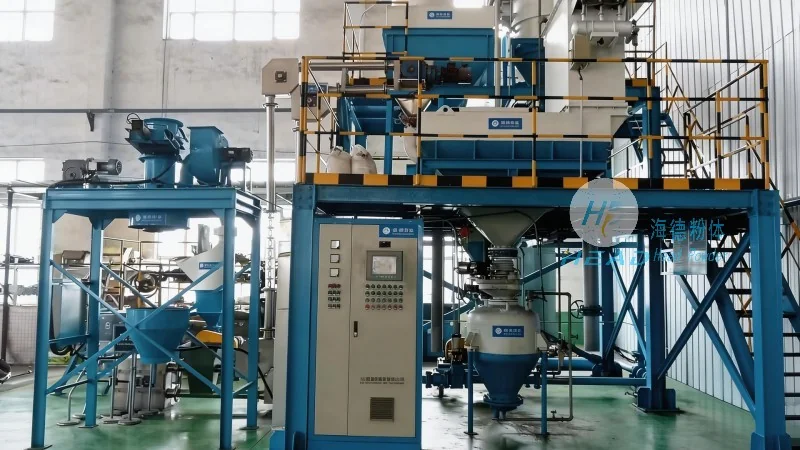
3. Conveying Path: The corn kernels are suspended in the air stream and travel through the pipeline. The system may include bends, elbows, and other components that guide the material to the desired location.
4. Discharge and Separation: At the end of the conveying line, the corn kernels are discharged into a receiving hopper or storage tank. The air is then separated from the material, often through a cyclone separator or filter, and returned to the system for reuse.
Working Principle Explained
The working principle of the pneumatic conveying system is based on the Bernoulli principle, which states that an increase in the speed of a fluid occurs simultaneously with a decrease in pressure or a decrease in the fluid's potential energy. In this system, the fan creates a high-velocity air stream that reduces the pressure inside the conveying line. The corn kernels, being denser than the air, are drawn into this low-pressure zone and are carried along by the air flow.
Key Components of the System
Key components of the corn kernels pneumatic conveying system include:
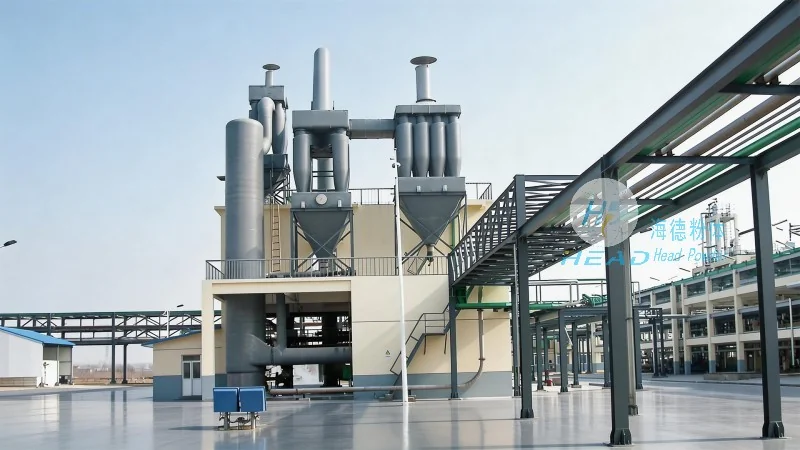
- Feeder: Controls the flow rate of corn kernels from the source.
- Fan/Blower: Provides the necessary air pressure and flow rate.
- Conveying Pipe: The main pipeline where the corn kernels and air travel.
- Hopper/Receiver: Collects the conveyed corn kernels at the end.
- Separator/Filtration System: Removes air from the material and returns it to the system.
Advantages and Efficiency
The pneumatic conveying system offers several advantages over traditional mechanical conveying methods. It eliminates the need for moving parts in contact with the material, reducing wear and tear and maintenance costs. Additionally, it provides a hygienic and dust-free environment, which is crucial for food processing applications like corn kernel handling. The system also allows for flexible layout designs, as the conveying lines can be installed in various configurations to suit the facility's layout.
Applications in the Industry
These systems are widely used in the agricultural and food processing industries, particularly for handling corn kernels from storage to processing facilities. They are also applicable in grain mills, feed mills, and other bulk material handling operations where efficient and clean transport is required.
Conclusion
Shandong HeadPowder Engineering Co., Ltd. provides comprehensive solutions for corn kernels pneumatic conveying systems, ensuring reliable operation and efficient material transport. By leveraging advanced engineering and design, HeadPowder delivers systems that meet the specific needs of its clients, enhancing productivity and operational efficiency in bulk material handling.