

The Operation Process and Working Principle of Molybdenum Trioxide Pneumatic Conveying Machine
Molybdenum trioxide, also known as molybdenum oxide, is a critical industrial material widely used in various sectors such as chemical synthesis, metallurgy, and catalyst production. The efficient and reliable transportation of this fine powder is essential for maintaining production efficiency and product quality. This article provides a detailed overview of the operation process and working principle of a molybdenum trioxide pneumatic conveying machine, highlighting the key components and steps involved in its operation.
About the Company: HeadPowder
HeadPowder, formally known as Shandong HeadPowder Engineering Co., Ltd., is a leading manufacturer specializing in industrial conveying equipment. With a strong presence in China, particularly in Shandong province, the company has built a reputation for delivering high-quality, durable, and efficient pneumatic conveying systems. HeadPowder's commitment to technological innovation and customer satisfaction ensures that their products meet the stringent requirements of modern industrial applications.
Overview of the Pneumatic Conveying Machine
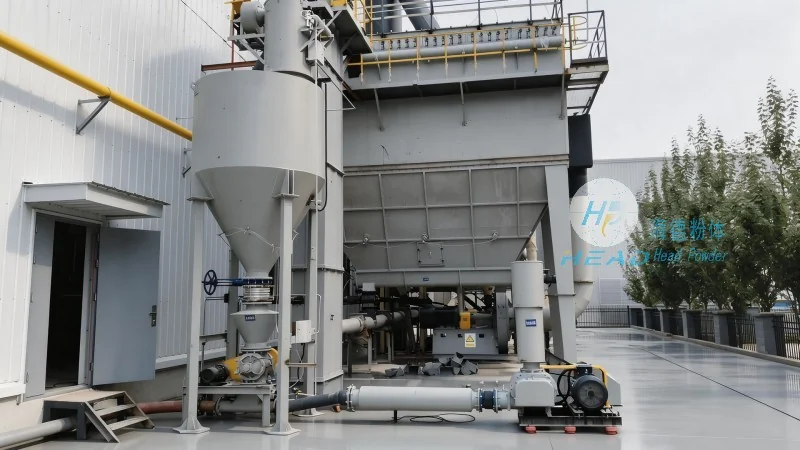
The molybdenum trioxide pneumatic conveying machine is a sophisticated system designed to transport fine powders like molybdenum trioxide through a pressurized air stream. This method offers several advantages over traditional mechanical conveying, including reduced product contamination, lower maintenance costs, and the ability to handle materials in a closed system, minimizing dust emissions and environmental impact.
Key Components of the System
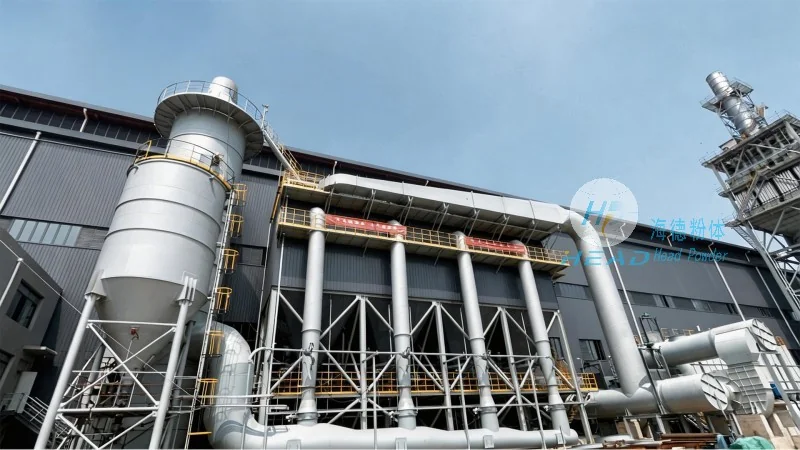
The pneumatic conveying system for molybdenum trioxide typically consists of several key components that work in tandem to ensure smooth operation. These include a high-pressure air compressor, a hopper for material storage, a feeder to control the flow of powder, a pipeline network for transporting the material, a separation unit to remove excess air, and a collection tank for the conveyed material. Each component plays a crucial role in the overall functionality of the system.
Operation Process Step-by-Step
The operation of the molybdenum trioxide pneumatic conveying machine begins with the loading of the material into the hopper. The feeder then regulates the flow of molybdenum trioxide into the pipeline, ensuring a consistent and controlled feed rate. Simultaneously, the air compressor generates a high-pressure air stream that is introduced into the pipeline. As the compressed air flows through the pipeline, it entrains the molybdenum trioxide particles, forming a dense mixture known as a "pneumatic stream." This stream travels through the pipeline network to the separation unit, where the air and powder are separated. The separated powder is collected in the collection tank, while the air is either filtered and recirculated or released to the atmosphere, depending on the system design.
Working Principle Explained
The working principle of the molybdenum trioxide pneumatic conveying machine is based on the principles of fluid dynamics and particle transport. The system operates by creating a pressure differential between the inlet and outlet of the pipeline. The high-pressure air from the compressor provides the necessary energy to move the molybdenum trioxide particles through the pipeline. The velocity of the air stream is critical; it must be sufficient to overcome the gravitational force acting on the particles and maintain a stable flow. The separation unit, often a cyclone or a bag filter, uses centrifugal force to separate the heavier powder particles from the lighter air stream. This separation process ensures that the conveyed material is collected efficiently and that the air is cleaned before potential recirculation.
Advantages and Applications
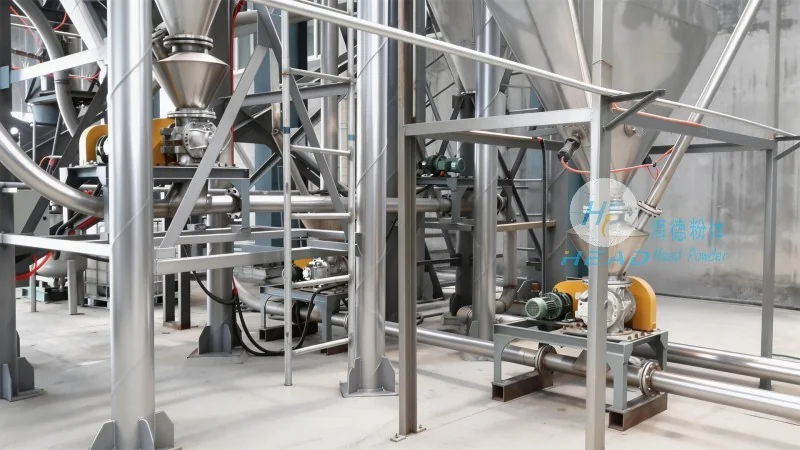
The molybdenum trioxide pneumatic conveying machine offers several advantages that make it an ideal choice for handling fine powders. These include the ability to transport materials over long distances, the reduction of dust and contamination, and the maintenance of product purity. The system is particularly suitable for applications in the chemical industry, where the handling of reactive or sensitive materials requires a closed and controlled environment. HeadPowder's molybdenum trioxide pneumatic conveying machines are designed to meet the specific needs of various industrial processes, ensuring reliable and efficient material transport.
Conclusion
In conclusion, the molybdenum trioxide pneumatic conveying machine is a highly effective and efficient system for transporting fine powders. The operation process involves a series of coordinated steps, from material loading to separation and collection, all powered by a high-pressure air stream. The working principle relies on fluid dynamics and particle separation techniques to ensure that the material is transported safely and reliably. With its advantages in contamination control and operational efficiency, this system is a valuable asset for industries that handle molybdenum trioxide and other fine powders. HeadPowder's expertise in manufacturing such systems ensures that customers receive high-quality equipment tailored to their specific requirements.