

Operation Process and Working Principle of Positive Pressure Blowing Type Pneumatic Conveying System
HeadPowder, a leading manufacturer based in Shandong, China, specializes in the design, production, and supply of advanced positive pressure blowing type pneumatic conveying systems. These systems are engineered to efficiently transport bulk materials such as powders and granules over long distances with minimal maintenance and high reliability. The following article provides a detailed overview of the operational process and working principles of this equipment, highlighting its key components and the steps involved in its functionality.
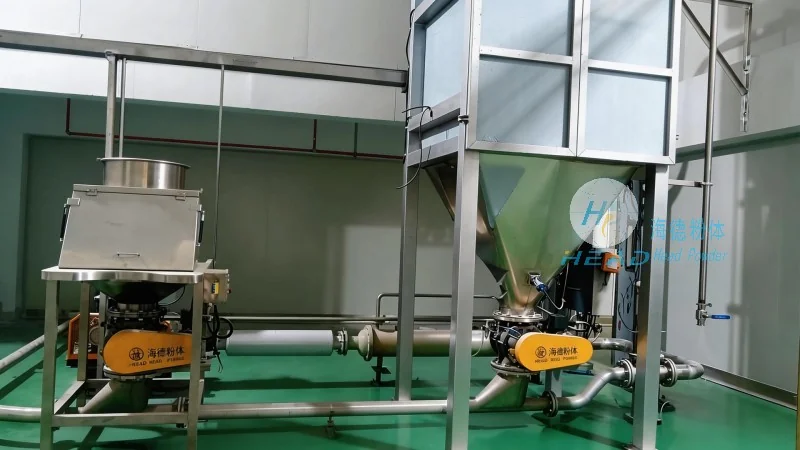
Overview of Positive Pressure Blowing Type Pneumatic Conveying Systems
Positive pressure blowing type pneumatic conveying systems operate by generating a high-pressure air stream that propels material particles through a pipeline. Unlike negative pressure systems, which create a vacuum to draw material in, positive pressure systems use compressed air to push material forward. This method is particularly effective for transporting dry, free-flowing materials and is widely used in industries like food processing, pharmaceuticals, and chemical manufacturing where material integrity and contamination control are critical.
Key Components of the System
The positive pressure blowing type pneumatic conveying system consists of several essential components that work in tandem to ensure smooth material transport. These include a blower or air compressor, a material feeder, a conveying line, a control valve, and a discharge hopper. Each component plays a crucial role in the overall operation of the system.
Blower or Air Compressor
The blower or air compressor is the heart of the system, responsible for generating the high-pressure air required to move the material. It supplies a consistent flow of compressed air at the necessary pressure level to ensure efficient conveying. The choice of blower type, such as a centrifugal or positive displacement blower, depends on the specific material characteristics and the system's capacity requirements.
Material Feeder
The material feeder is designed to feed the bulk material into the conveying line at a controlled rate. This component ensures that the material is introduced smoothly and continuously, preventing blockages or uneven flow. Common types of feeders include rotary valves, star feeders, and screw feeders, each tailored to handle different material properties and flow rates.
Conveying Line
The conveying line, typically made of stainless steel or other corrosion-resistant materials, forms the main pathway for the material and air mixture. The diameter and length of the line are carefully selected based on the material's density, particle size, and the required conveying distance. The line may include bends, elbows, and expansion joints to accommodate changes in direction and accommodate thermal expansion.
Control Valve
The control valve regulates the flow of air and material within the system, allowing for precise control over the conveying process. It can be adjusted to maintain the optimal pressure and flow rates, ensuring that the system operates efficiently and safely. The valve may also be used to isolate sections of the line for maintenance or to divert material to different destinations.
Discharge Hopper
The discharge hopper is the final component of the system, where the material is collected after being conveyed through the line. It is designed to handle the material's characteristics, such as its bulk density and flowability, and can be equipped with a discharge valve or outlet to facilitate the transfer of the material to the next processing stage.
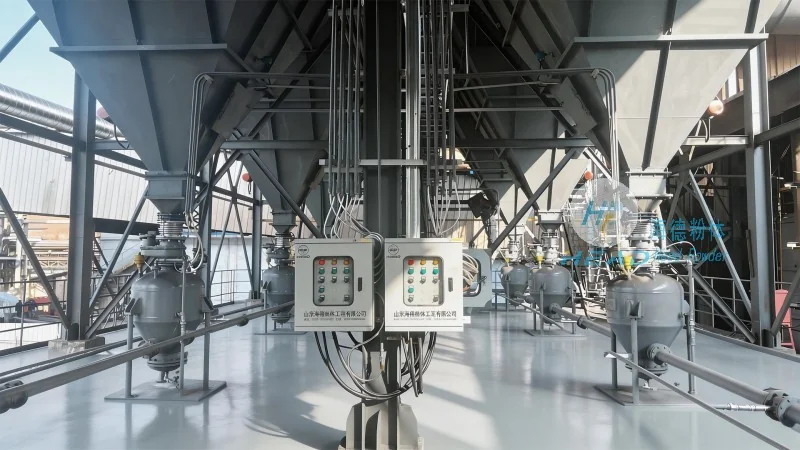
Operation Process of the System
The operation of a positive pressure blowing type pneumatic conveying system involves several sequential steps that ensure the smooth and efficient transport of bulk materials. The process begins with the preparation of the material and the setup of the system components. Here is a step-by-step breakdown of the operational process:
Step 1: System Preparation and Material Loading
Before starting the conveying operation, the system is prepared by checking all components for proper operation and ensuring that the material feeder is loaded with the required bulk material. The blower is then started, and the air pressure is adjusted to the appropriate level. The material feeder is activated to begin feeding the material into the conveying line.
Step 2: Material Conveying
Once the material is introduced into the conveying line, the high-pressure air from the blower propels it forward. The air and material mixture travels through the pipeline, with the air providing the necessary force to move the particles. The conveying speed and pressure are monitored to ensure that the material is transported at the desired rate without excessive wear or degradation.
Step 3: Material Discharge
At the end of the conveying line, the material is discharged into the hopper. The air continues to flow through the line and is typically filtered and recycled back to the blower to conserve energy and reduce waste. The discharge hopper may be equipped with a valve to control the release of the material to the next processing stage.
Step 4: System Shutdown and Maintenance
After the conveying operation is complete, the system is shut down by first stopping the material feeder and then the blower. The air pressure is reduced gradually to prevent any sudden pressure changes that could damage the system components. The system is then inspected for any signs of wear or blockages and maintained as needed to ensure continued efficient operation.
Working Principle of the System
The working principle of a positive pressure blowing type pneumatic conveying system is based on the principle of fluidization and the use of compressed air to transport material particles. The system operates by creating a high-pressure air stream that entrains the material particles and carries them through the pipeline. The key aspects of the working principle include the generation of sufficient air pressure, the proper feeding of material, and the efficient transport of the material-air mixture.

Fluidization and Particle Entrainment
Fluidization is the process by which the material particles are suspended in the air stream, creating a fluid-like mixture. This is achieved by the high-pressure air from the blower, which creates a velocity sufficient to overcome the gravitational force acting on the particles. The particle size, density, and the air velocity are critical factors in determining the fluidization state and the efficiency of the conveying process.
Pressure and Flow Control
The system's working principle relies on precise control of pressure and flow rates to ensure optimal conveying performance. The blower maintains a consistent pressure level, while the control valve adjusts the flow of air and material to match the system's capacity and the material's characteristics. This control is essential to prevent overloading the system, which could lead to blockages or damage to the components.
Energy Efficiency and Material Integrity
Positive pressure blowing type pneumatic conveying systems are designed to be energy-efficient and to maintain the integrity of the conveyed material. The high-pressure air is used efficiently to transport the material, minimizing energy waste. Additionally, the system's design, including the use of corrosion-resistant materials and proper sealing, ensures that the material is not contaminated or degraded during the conveying process, which is particularly important for applications in the food and pharmaceutical industries.
Applications and Benefits
Positive pressure blowing type pneumatic conveying systems are widely used in various industries due to their versatility and efficiency. The systems are suitable for transporting a wide range of bulk materials, including powders, granules, and fine particles. Some of the key benefits of these systems include:
Efficient Material Transport
The primary benefit of the system is its ability to transport bulk materials over long distances with minimal effort. The high-pressure air stream provides the necessary force to move the material, reducing the need for mechanical conveyors and other equipment. This results in lower operational costs and increased productivity.
Low Maintenance Requirements
These systems are designed with durability and low maintenance in mind. The use of corrosion-resistant materials and robust components reduces the need for frequent repairs and replacements. Additionally, the system's simple design makes it easier to maintain and service, reducing downtime and increasing overall system reliability.
Material Integrity and Contamination Control
For industries where material purity is critical, such as food and pharmaceutical processing, positive pressure blowing type pneumatic conveying systems offer significant advantages. The system's enclosed design prevents contamination from external sources, and the use of clean materials and proper sealing ensures that the conveyed material remains free from impurities. This is essential for maintaining product quality and meeting regulatory requirements.