

Operation Process and Working Principle of Clay Coal Powder Pneumatic Conveying Machine
Clay coal powder pneumatic conveying machines are essential equipment in industrial processes, particularly in the handling and transportation of fine powders such as clay and coal. These machines utilize air pressure to transport materials, offering a dust-free and efficient method compared to traditional mechanical conveyors. The operation of these systems involves several key components and steps that ensure smooth and reliable material transfer.
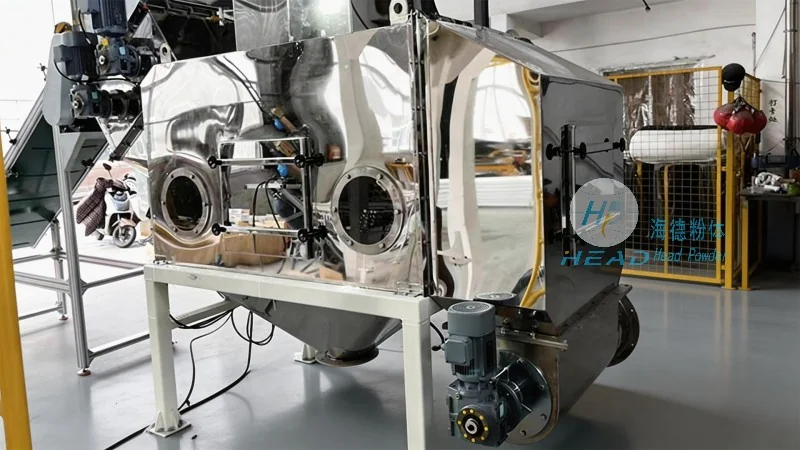
Key Components of the Pneumatic Conveying System
The clay coal powder pneumatic conveying machine typically consists of several critical components that work in tandem to achieve effective material transport. These include a hopper for material storage, a blower or compressor to generate the necessary air pressure, a pipeline system for material movement, and a discharge outlet for the transported powder. Each component plays a vital role in maintaining the system's efficiency and safety.
Operation Process of the Clay Coal Powder Pneumatic Conveying Machine
The operation process begins with the loading of clay coal powder into the hopper. The material is then fed into the pipeline system as air is introduced by the blower. The air flow creates a low-pressure zone in the pipeline, which draws the powder particles into the stream. As the mixture travels through the pipeline, it reaches the discharge point where the air and powder are separated. The air is typically filtered and recirculated, while the powder is collected in the receiving container.
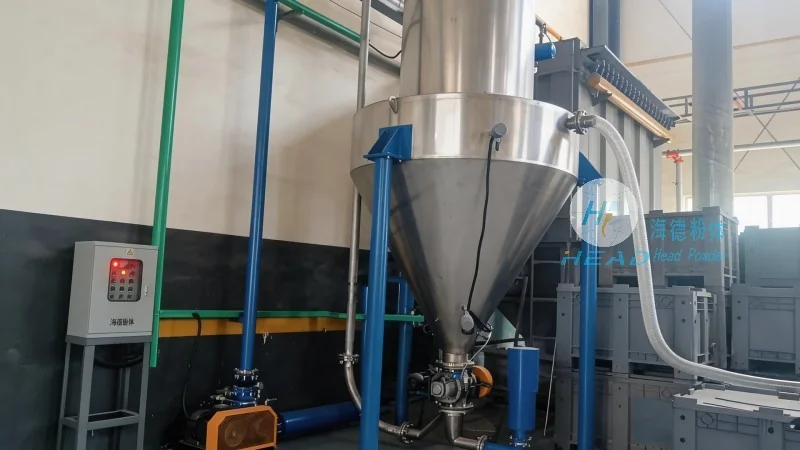
Working Principle: How the Machine Transports Materials
The working principle of the clay coal powder pneumatic conveying machine is based on the principle of pneumatic transport. When air is forced through the pipeline at a high velocity, it creates a drag force on the powder particles, lifting them into the air stream. The combination of air pressure and particle size determines the conveying velocity and efficiency. The system can operate in both positive and negative pressure modes, depending on the application requirements. Positive pressure systems are used for short-distance transport, while negative pressure systems are suitable for longer distances or when handling dusty materials.
Advantages of Using Clay Coal Powder Pneumatic Conveying Machines
There are several advantages to using pneumatic conveying systems for clay and coal powder transport. These include reduced dust emissions, as the material is contained within the pipeline, minimizing environmental impact. The system also offers high transport efficiency, with the ability to handle large volumes of material quickly and reliably. Additionally, pneumatic conveyors are flexible in terms of layout, allowing for changes in the system's configuration without major modifications. They are also suitable for transporting materials with varying particle sizes and moisture content.
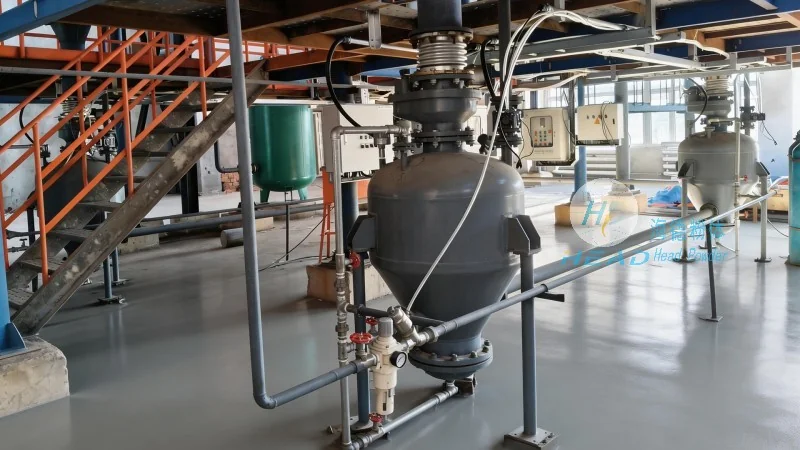
Applications in Industrial Settings
Clay coal powder pneumatic conveying machines are widely used in various industrial applications. In the mining industry, they are used to transport coal from mines to processing facilities. In the ceramics and brick manufacturing industries, they handle clay and other raw materials for production. The system is also used in power plants for transporting coal to boilers and in chemical plants for handling various powders. The versatility of these machines makes them suitable for a wide range of industrial processes.
Maintenance and Safety Considerations
Maintaining the clay coal powder pneumatic conveying machine is crucial for ensuring its longevity and performance. Regular maintenance includes checking the blower and compressor for proper operation, inspecting the pipeline for blockages or leaks, and cleaning the filter system to prevent clogging. Safety considerations are also important, as the system operates at high pressures and can pose risks if not handled properly. Proper training for operators and adherence to safety protocols are essential to prevent accidents and ensure the safe operation of the machine.