

Operation Process and Working Principle of Color Masterbatch Pneumatic Conveying Machine
Color masterbatch serves as a critical additive in the plastic manufacturing sector, enabling the precise coloring and functional enhancement of polymer materials. The efficient and reliable transportation of these masterbatches from storage to processing equipment is paramount for maintaining product consistency and production efficiency. Pneumatic conveying machines, specifically engineered for color masterbatch, provide an enclosed, automated solution to move these fine or granular materials. This article delves into the operation process and underlying working principles of such systems, emphasizing their technical design and practical applications.
Key Components of a Color Masterbatch Pneumatic Conveying System
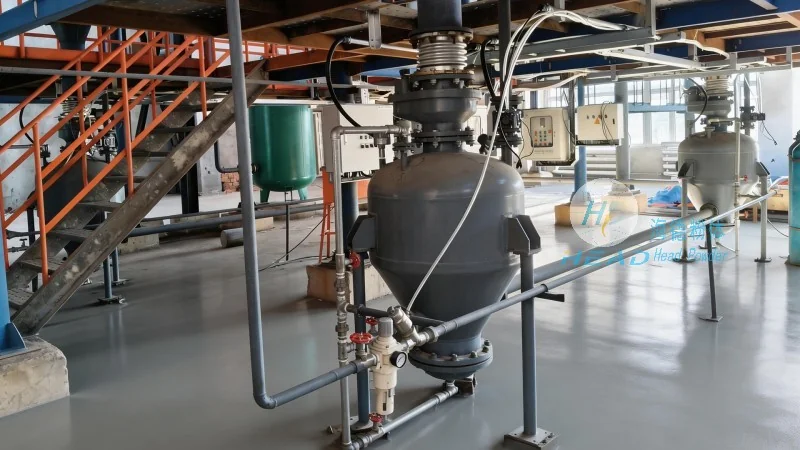
A typical color masterbatch pneumatic conveying system comprises several interdependent components that ensure seamless material transport. The primary elements include a storage hopper or bulk container for the masterbatch, a conveying line (often fitted with a filter or separator to prevent material accumulation), an air source (either a compressed air system or a vacuum pump), and a discharge or receiver unit where the material is deposited. Additional components may include a rotary valve or feeder to regulate flow rate, a dust collection system to maintain air quality, and monitoring devices to track pressure and flow rates.
The Working Principle of Pneumatic Conveying
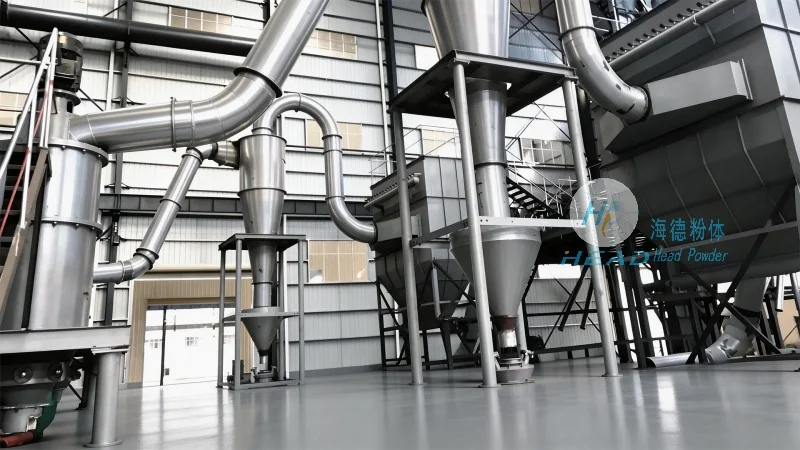
At the heart of a pneumatic conveying system is the use of air to transport solid particles. In a pressure system, compressed air is introduced into the conveying line, creating a high-pressure environment that propels the masterbatch particles forward. The air velocity is carefully calibrated to ensure particles are carried without causing excessive wear or degradation. Conversely, a vacuum system utilizes a vacuum pump to create a low-pressure zone, drawing the masterbatch from the source into the conveying line. The choice between pressure and vacuum modes depends on factors such as the distance to be covered, the material’s physical properties (e.g., particle size and density), and the required throughput.
Step-by-Step Operation Process
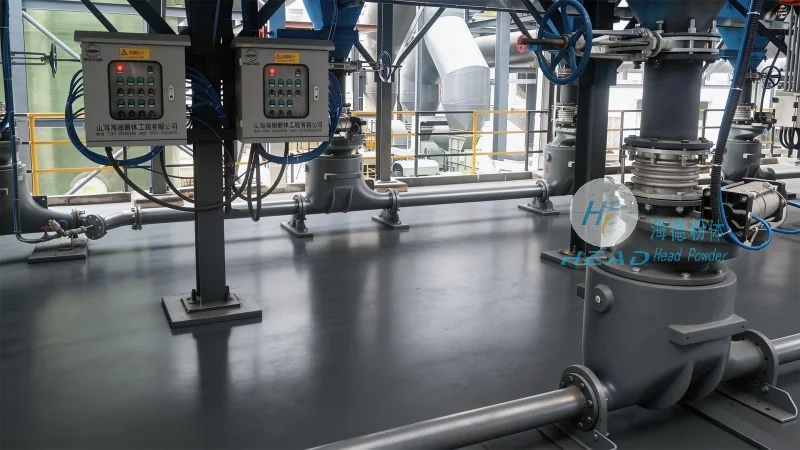
The operation of a color masterbatch pneumatic conveying machine follows a systematic sequence. Initially, the masterbatch is loaded into the storage hopper. The system then activates the air source—either by opening a compressed air valve or starting the vacuum pump. The feeder mechanism begins to discharge the masterbatch into the conveying line as the air flows, carrying the particles to the receiver. The receiver may be a storage tank or directly connected to downstream processing equipment, such as an extruder or mixer. Throughout the process, the system continuously monitors pressure and flow rates to maintain consistent performance. If a blockage occurs, the system may automatically shut down or initiate a cleaning cycle to restore operation, ensuring uninterrupted production.
Advantages of Pneumatic Conveying for Color Masterbatch
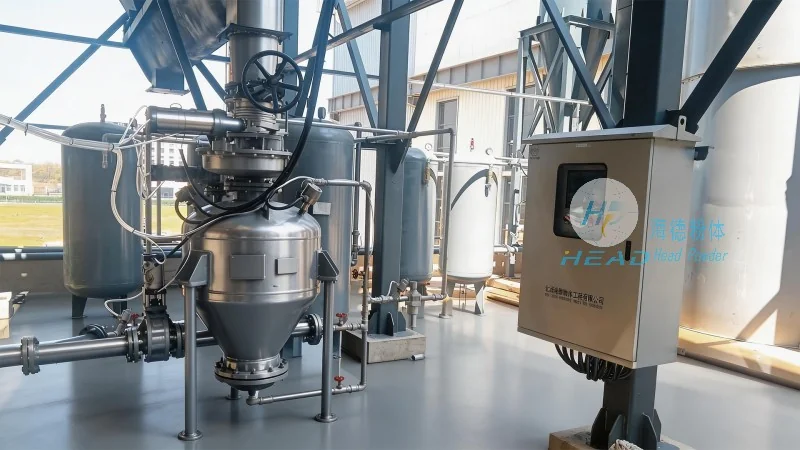
Adopting a pneumatic conveying system for color masterbatch offers multiple benefits. Firstly, it eliminates manual handling, reducing the risk of contamination and enhancing workplace safety. The enclosed design prevents dust and particles from entering the environment, maintaining a clean and healthy operational space. Additionally, pneumatic conveying enables precise control over the flow rate, ensuring uniform color distribution in the final product. The system minimizes material degradation by reducing friction and impact during transport, preserving the masterbatch’s quality. Furthermore, it is versatile enough to handle a wide range of masterbatch types—from fine powders to larger granules—making it suitable for diverse applications.