

Operation Process and Working Principle of a Ferrous Sulfate Pneumatic Conveyor
A ferrous sulfate pneumatic conveyor is a specialized industrial equipment designed for the efficient and safe transportation of ferrous sulfate, a common chemical used in water treatment, agriculture, and various industrial processes. This system utilizes air or gas as the medium to move the solid material through a pipeline, eliminating the need for traditional mechanical conveyors that may cause contamination or material degradation. The operation of such a system is critical for maintaining product quality and ensuring smooth production flow in facilities handling ferrous sulfate.
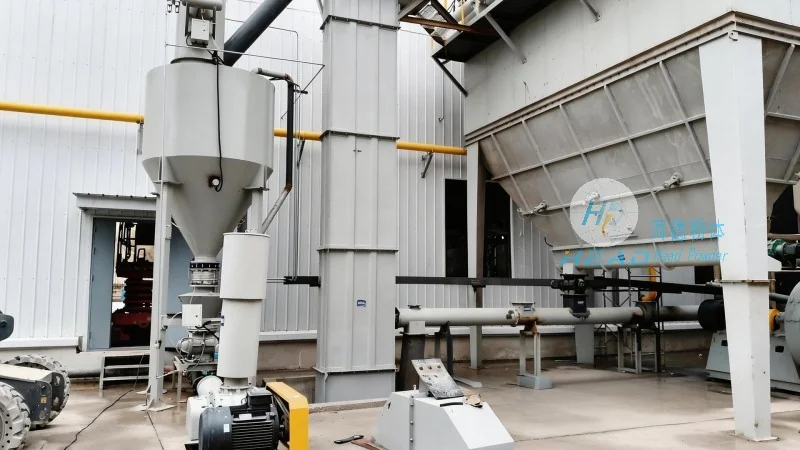
Company Overview: HeadPowder Engineering
HeadPowder Engineering, a leading manufacturer based in Shandong, China, specializes in the design, manufacturing, and supply of advanced pneumatic conveying systems. With a strong focus on precision engineering and customer-centric solutions, the company has established itself as a trusted partner for industries requiring reliable material handling solutions. HeadPowder Engineering's facilities are equipped with state-of-the-art technology and skilled professionals who ensure that each product meets the highest standards of performance and durability. The company's headquarters and main production base are located in Shandong, providing a solid foundation for delivering quality equipment to clients worldwide.
The Operation Process of Ferrous Sulfate Pneumatic Conveyors
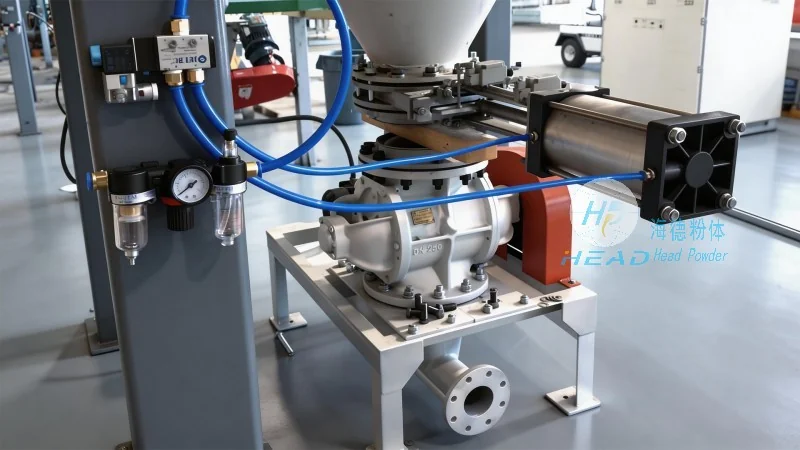
The operation of a ferrous sulfate pneumatic conveyor typically involves several key steps that ensure the material is transported from the source to the destination efficiently. First, the ferrous sulfate is fed into the system through a hopper or a feeding device, which controls the flow rate and prevents blockages. The material then enters the conveying line, where it is mixed with air or gas under pressure. The air stream, generated by a high-pressure blower or fan, propels the material through the pipeline. As the material travels, it may encounter bends, changes in direction, or expansion sections that are designed to maintain the flow without causing material separation or degradation. At the end of the conveying line, a separator or a cyclone is used to separate the ferrous sulfate from the air stream, allowing the material to be discharged into a storage tank or a processing unit. The air, now free of solid particles, is either filtered and recirculated or released into the atmosphere, depending on the system design and environmental regulations.
Working Principle of Ferrous Sulfate Pneumatic Conveying Systems
The working principle of a ferrous sulfate pneumatic conveyor is based on the fundamental concept of fluidization and pneumatic transport. The system operates by creating a high-velocity air stream within the conveying pipeline, which lifts and transports the solid particles of ferrous sulfate. This is achieved through the use of a positive pressure system, where the air is forced into the pipeline at a pressure higher than the ambient air pressure. The pressure differential ensures that the air flows continuously through the system, carrying the material along. The velocity of the air stream is crucial; it must be sufficient to overcome the gravitational force acting on the solid particles and maintain a stable suspension. The design of the system, including the size of the pipeline, the angle of the bends, and the type of separation equipment, is carefully optimized to ensure that the material is transported without excessive wear on the equipment or degradation of the product. The negative pressure system, also known as a vacuum conveyor, works on the opposite principle, where the air is drawn out of the pipeline, creating a vacuum that pulls the material through. Both systems have their advantages and are chosen based on the specific application requirements, such as the distance to be covered, the volume of material to be transported, and the need for containment or environmental control.
Key Components and Their Functions
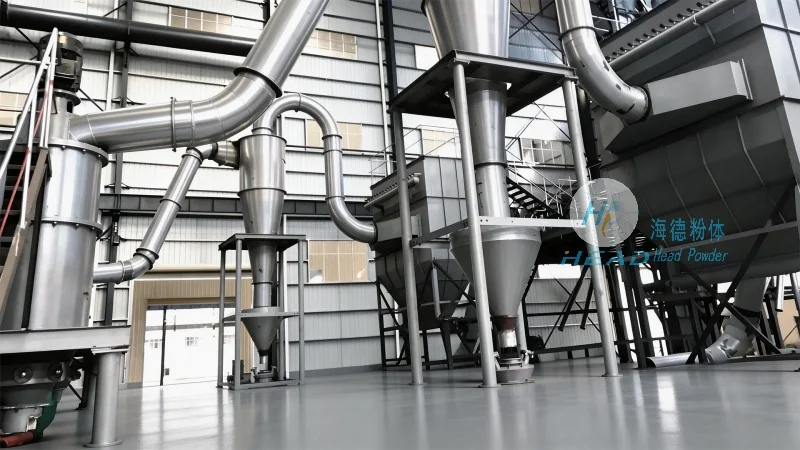
A ferrous sulfate pneumatic conveyor consists of several essential components, each playing a vital role in the overall operation. The first component is the feeding device, which can be a rotary valve, a screw feeder, or a hopper with a gate valve. This component ensures that the ferrous sulfate is introduced into the system at a controlled rate, preventing overloading or blockages. The second component is the air supply system, which includes a blower or a fan that generates the necessary air pressure and flow rate. The blower is typically a centrifugal or positive displacement type, chosen based on the system's requirements. The third component is the conveying pipeline, which is made of materials such as stainless steel, plastic, or metal, depending on the chemical properties of the ferrous sulfate and the operating conditions. The pipeline is designed with smooth surfaces and appropriate bends to minimize friction and pressure loss. The fourth component is the separation equipment, which can be a cyclone separator or a bag filter. This component removes the ferrous sulfate from the air stream, allowing the air to be recycled or released. The fifth component is the control system, which monitors the pressure, flow rate, and temperature of the system and adjusts the operation as needed to maintain optimal performance. Each of these components is carefully selected and integrated to ensure the efficient and reliable operation of the pneumatic conveyor.