

The Operation Process and Working Principle of Tungsten Carbide Pneumatic Conveying Equipment
HeadPowder, a leading manufacturer based in Shandong, China, specializes in the design, production, and supply of advanced industrial equipment, including high-performance tungsten carbide pneumatic conveying systems. These systems are engineered to efficiently transport tungsten carbide powders and related materials in various industrial applications, ensuring reliability, durability, and optimal performance.
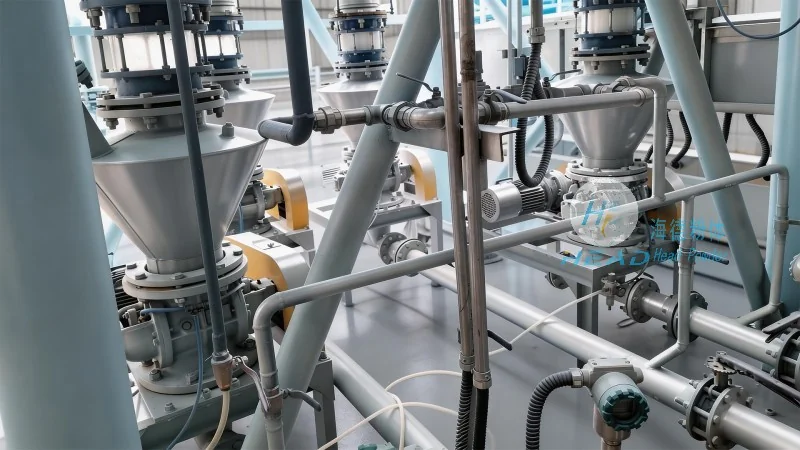
Introduction to Tungsten Carbide Pneumatic Conveying Systems
At Shandong HeadPowder Engineering Co., Ltd., our tungsten carbide pneumatic conveying equipment is meticulously designed to meet the demanding requirements of modern industrial processes. Tungsten carbide, known for its exceptional hardness, wear resistance, and thermal stability, is a critical material in sectors such as aerospace, automotive, and tool manufacturing. The pneumatic conveying systems we offer are specifically tailored to handle these abrasive and high-value materials with precision and efficiency. By leveraging advanced engineering and quality materials, our equipment ensures minimal material degradation, low maintenance costs, and consistent operational performance.
Key Components and Structure of the Pneumatic Conveying System
The core components of our tungsten carbide pneumatic conveying system include a hopper for material storage, a rotary airlock valve for controlled material discharge, a pipeline network, a blower or compressor to generate airflow, and a receiver for material collection. Each component is constructed from high-quality materials, such as stainless steel or specialized alloys, to withstand the corrosive and abrasive nature of tungsten carbide powders. The hopper is designed with a sloped bottom to facilitate smooth material flow, while the rotary airlock valve prevents backflow and maintains consistent material feed. The pipeline system is carefully sized and routed to minimize pressure losses and ensure uniform material distribution. The blower or compressor provides the necessary air pressure to transport the material through the pipeline, and the receiver collects the material at the destination point, often equipped with a dust collection system to maintain a clean and safe working environment.
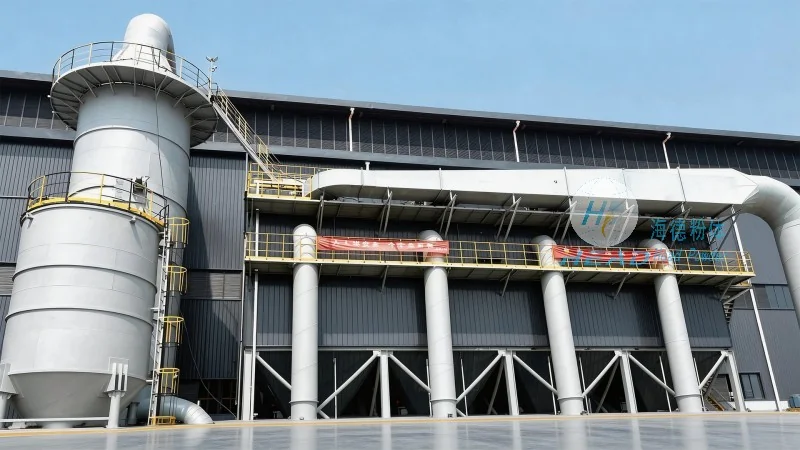
Operation Process of the Tungsten Carbide Pneumatic Conveying System
The operation process of our tungsten carbide pneumatic conveying system involves several sequential steps to ensure efficient material transport. First, the tungsten carbide powder is loaded into the hopper from a bulk storage container or a production line. The rotary airlock valve then opens to allow a controlled amount of material to enter the pipeline. Simultaneously, the blower or compressor starts, generating a high-pressure airflow that moves through the pipeline. The material is then entrained by the airflow and carried through the pipeline to the receiver. The receiver is positioned at the end of the pipeline, where the material is deposited and collected. The system operates continuously, with the rotary airlock valve and blower working in sync to maintain a steady flow rate. The entire process is automated, reducing the need for manual intervention and minimizing the risk of material spillage or contamination.
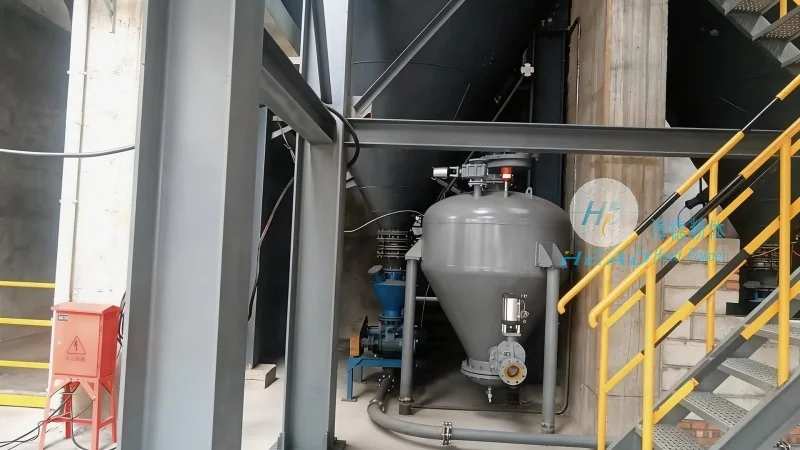
Working Principle of the Pneumatic Conveying System
The working principle of our tungsten carbide pneumatic conveying system is based on the principle of pneumatic transport, where material is transported through a pipeline using air or gas as the conveying medium. The system operates under positive pressure, meaning the air pressure inside the pipeline is higher than the ambient pressure. This pressure difference creates a flow of air that pulls the material particles along with it. The key to efficient transport is the balance between the air velocity and the material's particle size and density. The air velocity must be sufficient to overcome the gravitational force acting on the material particles and any frictional losses within the pipeline. Our system is designed with optimized air velocity and pipeline dimensions to ensure that the material is transported smoothly without excessive pressure drop or material degradation. The rotary airlock valve plays a crucial role in maintaining the pressure differential and controlling the material flow rate, while the blower or compressor provides the necessary power to generate the airflow. The receiver, equipped with a dust collection system, ensures that the material is collected in a clean and dry state, ready for further processing or use.
Advantages and Applications of Tungsten Carbide Pneumatic Conveying Systems
Our tungsten carbide pneumatic conveying systems offer several advantages over traditional mechanical conveying methods. These include reduced material handling time, lower labor costs, and improved material quality due to minimal exposure to external factors. The systems are also highly flexible, allowing for easy reconfiguration of the pipeline layout to accommodate changes in production processes or facility expansions. Additionally, the enclosed pipeline system prevents dust emissions, enhancing workplace safety and compliance with environmental regulations. The systems are widely used in the production of tungsten carbide tools, wear-resistant components, and aerospace parts, where the efficient and reliable transport of high-value materials is critical. By integrating our advanced pneumatic conveying technology, industries can achieve higher productivity, lower operational costs, and enhanced product quality.