

Operation Process and Working Principle of PVC Powder Pneumatic Conveying Equipment
Shandong HeadPowder Engineering Co., Ltd., commonly known as headpowder, is a professional manufacturer specializing in the design, development, and production of pneumatic conveying equipment. With a focus on high-quality engineering solutions, the company has established itself as a trusted provider in the industry, particularly for applications involving PVC powder handling. This article explores the operation process and working principle of PVC powder pneumatic conveying equipment, highlighting the technical aspects and practical applications that make it an essential solution for material transport in various industrial settings.
Working Principle of PVC Powder Pneumatic Conveying Equipment
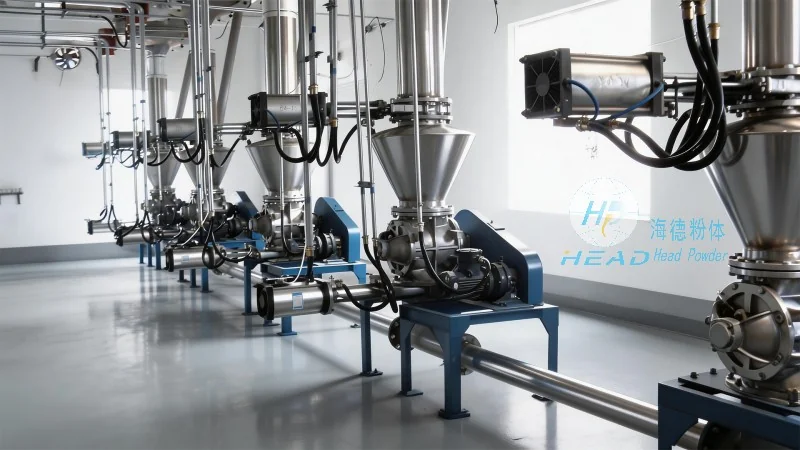
PVC powder pneumatic conveying equipment operates on the principle of transporting solid particles, such as PVC powder, through a pipeline using compressed air. The system typically consists of a blower or compressor that generates the necessary air pressure to move the material. The process begins with the PVC powder being fed into the system via a hopper or feeder. As the compressed air is introduced into the conveying line, it creates a low-pressure zone that draws the powder particles into the pipeline. The air and powder mixture travels through the pipeline to a separation unit, where the air is separated from the powder. This separation is achieved through various methods, including cyclone separation or bag filters, depending on the system design. The separated PVC powder is then collected in a receiving hopper or container, while the air is either vented to the atmosphere or recycled back into the system to improve efficiency.
Operation Process of the Equipment
The operation of PVC powder pneumatic conveying equipment follows a systematic sequence to ensure efficient and reliable material transport. The process starts with the preparation of the PVC powder, which may involve drying or pre-processing to remove moisture or contaminants that could affect the conveying performance. Next, the powder is fed into the equipment's hopper or feeder, where it is metered and introduced into the conveying line. The compressed air is then activated, creating the necessary pressure differential to initiate the conveying process. As the air and powder mixture moves through the pipeline, it encounters various components, such as bends, valves, and expansion joints, which are designed to minimize pressure loss and maintain the flow of material. The mixture reaches the separation unit, where the air is separated from the powder. The separated powder is collected in the receiving hopper, while the air is either filtered or recycled. The entire process is controlled by a system of sensors and controls that monitor pressure, flow rate, and other parameters to ensure optimal performance. Regular maintenance and monitoring are essential to maintain the efficiency and longevity of the equipment.
Key Components and Their Functions
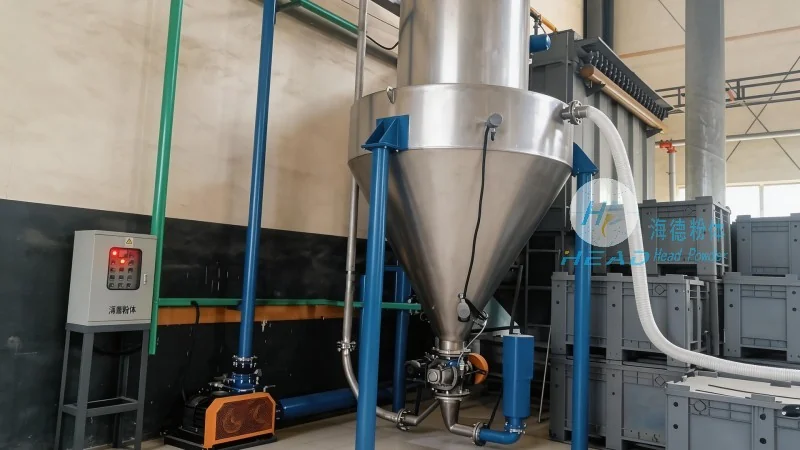
Several key components work together to ensure the smooth operation of PVC powder pneumatic conveying equipment. The blower or compressor is the primary source of compressed air, providing the necessary pressure to move the material. The feeder or hopper is responsible for feeding the PVC powder into the system at a controlled rate, preventing overloading and ensuring consistent flow. The conveying pipeline, typically made of materials like stainless steel or plastic, transports the air and powder mixture from the feeder to the separation unit. The separation unit, such as a cyclone or bag filter, separates the air from the powder, allowing the powder to be collected and the air to be handled appropriately. The receiving hopper or container collects the conveyed PVC powder, ready for further processing or use. Additionally, control systems and sensors are integrated to monitor and regulate the operation, ensuring safety and efficiency. Each component plays a critical role in the overall performance of the system, and proper maintenance is essential to prevent downtime and ensure long-term reliability.
Advantages of Using PVC Powder Pneumatic Conveying Equipment
PVC powder pneumatic conveying equipment offers several advantages over traditional mechanical conveying methods. One of the primary benefits is the ability to handle PVC powder efficiently without the need for mechanical components that can cause wear and tear or contamination. The system is also highly flexible, allowing for changes in the conveying route or capacity without significant modifications. Additionally, pneumatic conveying is a clean and hygienic method, as it prevents dust and contamination from spreading, which is particularly important for PVC powder applications where purity is critical. The equipment is also energy-efficient, as it can transport large quantities of material with relatively low energy consumption compared to other methods. Furthermore, the system is compact and can be installed in various industrial settings, making it suitable for both new and existing facilities. Overall, PVC powder pneumatic conveying equipment provides a reliable and efficient solution for material transport, enhancing productivity and maintaining product quality.
Applications and Industries
PVC powder pneumatic conveying equipment is widely used in various industries that handle PVC powder, including the plastics manufacturing, chemical processing, and pharmaceutical sectors. In the plastics industry, the equipment is used to transport PVC powder from storage to processing lines, ensuring a continuous and clean supply of material. In chemical processing, it is used to handle PVC powders that may be sensitive to moisture or contamination, maintaining product integrity. The pharmaceutical industry also benefits from the use of pneumatic conveying equipment, as it provides a sterile and controlled environment for handling PVC powders used in drug formulations. The equipment's ability to handle large volumes and maintain product quality makes it an essential tool in these industries, contributing to increased efficiency and reduced operational costs.
Maintenance and Best Practices
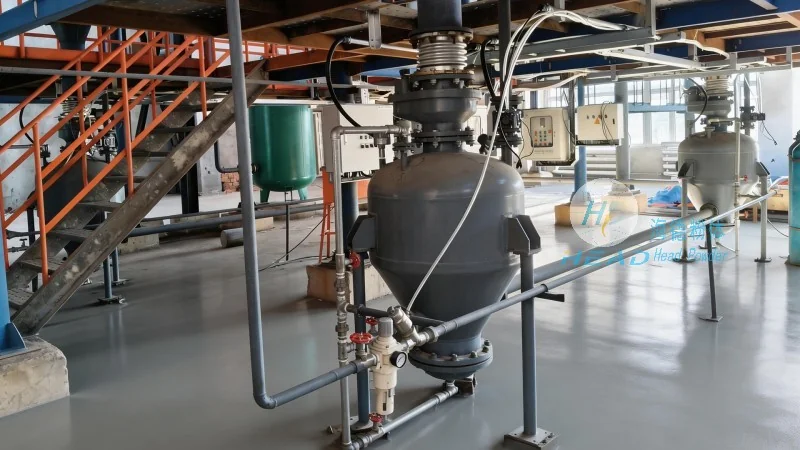
To ensure the optimal performance and longevity of PVC powder pneumatic conveying equipment, regular maintenance and adherence to best practices are crucial. Regular inspection of the blower or compressor is necessary to ensure it operates at the correct pressure and efficiency. The conveying pipeline should be checked for any blockages or leaks, which can affect the flow of material and increase energy consumption. The separation unit, such as a cyclone or bag filter, should be cleaned and maintained regularly to prevent clogging and ensure effective separation. The feeder and hopper should be checked for any buildup of powder or debris, which can affect the feeding rate and cause uneven flow. Additionally, the control system and sensors should be calibrated and tested periodically to ensure they are functioning correctly. Following these maintenance practices helps to minimize downtime, reduce maintenance costs, and extend the lifespan of the equipment. Proper training of operators on the equipment's operation and maintenance is also essential to ensure safe and efficient use.
Conclusion
PVC powder pneumatic conveying equipment, manufactured by Shandong HeadPowder Engineering Co., Ltd., offers a reliable and efficient solution for transporting PVC powder in various industrial applications. The equipment operates based on the principles of pneumatic conveying, using compressed air to move the material through a pipeline with minimal mechanical components. The operation process involves feeding the powder, introducing compressed air, conveying the mixture, separating the air and powder, and collecting the powder. Key components, including the blower, feeder, pipeline, separation unit, and control systems, work together to ensure smooth and efficient operation. The advantages of using this equipment include efficiency, cleanliness, flexibility, and energy savings. It is widely used in industries such as plastics manufacturing, chemical processing, and pharmaceuticals, where maintaining product quality and purity is essential. Regular maintenance and adherence to best practices are crucial to ensure the equipment's optimal performance and longevity. With its advanced design and engineering, PVC powder pneumatic conveying equipment from headpowder provides a superior solution for material transport, contributing to increased productivity and reduced operational costs in industrial settings.