

Operation Process and Working Principle of Red Sugar Pneumatic Conveying Equipment
Red sugar, a traditional sweetener with rich cultural significance, requires efficient and reliable transportation methods to ensure quality and safety during handling. Pneumatic conveying equipment has emerged as a key solution for transporting red sugar and other bulk materials in industrial settings. This article delves into the operation process and working principle of such equipment, highlighting how Shandong HeadPowder Engineering Co., Ltd. designs and manufactures advanced systems tailored for the red sugar industry.
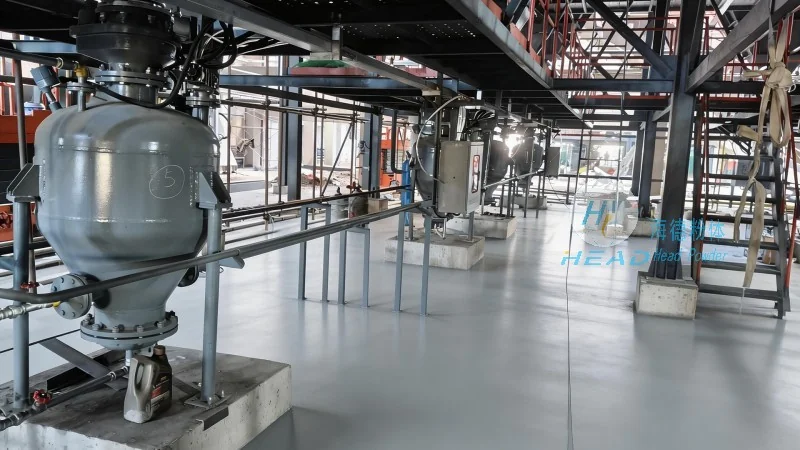
Company Overview: HeadPowder
HeadPowder, a leading manufacturer based in Shandong, China, specializes in the design, development, and production of pneumatic conveying systems. With years of experience in the field, the company has built a reputation for delivering high-quality, customized solutions that meet the specific needs of clients in the food processing and bulk material handling sectors. The company’s commitment to innovation and precision engineering ensures that their equipment operates efficiently and reliably, even for delicate materials like red sugar.
Working Principle of Pneumatic Conveying Systems
Pneumatic conveying systems utilize air or gas to transport bulk materials through a pipeline network. The process typically involves a series of components, including a material hopper, a rotary valve, a compressor, and a conveying line. The material is first loaded into the hopper, where it is then fed into the system via the rotary valve. The compressor then starts, generating high-pressure air, which is introduced into the conveying line, creating a flow that propels the material forward. The system can operate in either positive or negative pressure modes, depending on the material characteristics and the desired conveying distance.
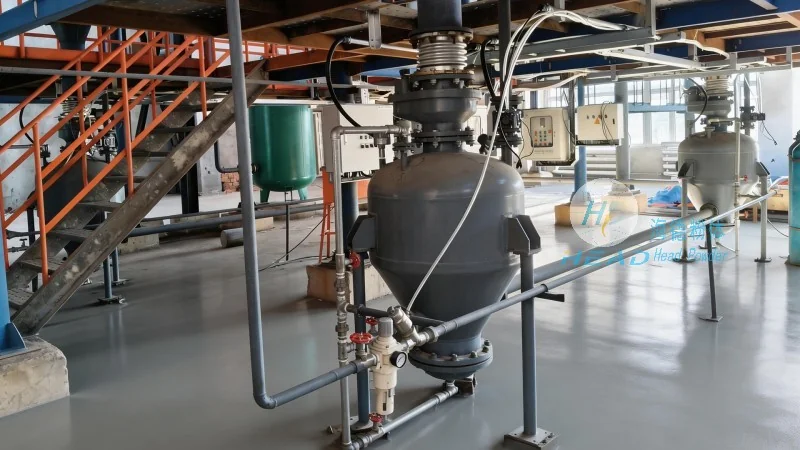
Operation Process of Red Sugar Pneumatic Conveying Equipment
The operation process of red sugar pneumatic conveying equipment begins with the loading of red sugar into the material hopper. The hopper is designed to accommodate the bulk volume of the sugar, ensuring a steady supply to the system. Once the hopper is filled, the rotary valve opens, allowing the sugar to enter the conveying line. The compressor then starts, generating the necessary air pressure to initiate the conveying process. As the air flows through the line, it creates a vacuum or pressure differential that moves the sugar particles along the pipeline. The system is equipped with sensors and controls that monitor the flow rate and pressure, ensuring optimal performance and preventing blockages or overloading. The conveying line may include bends, filters, and dust collection systems to maintain the quality of the red sugar and protect the equipment from damage.
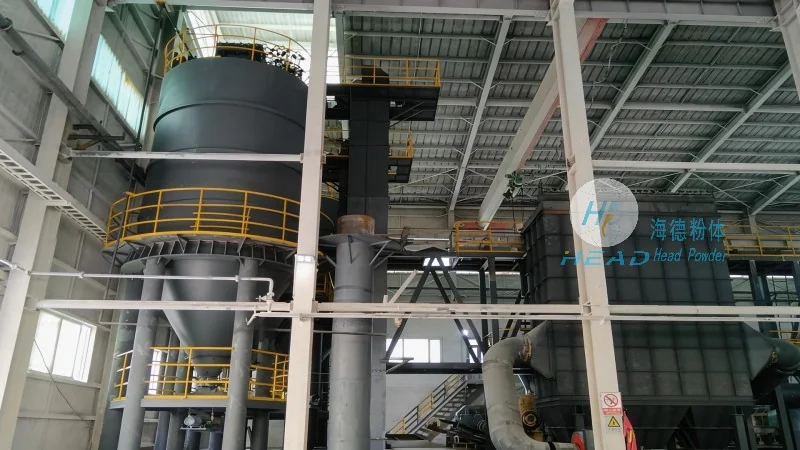
Key Components and Their Functions
Several critical components work in tandem to ensure the smooth operation of red sugar pneumatic conveying equipment. The material hopper serves as the storage and feeding unit, holding the red sugar and providing a controlled release into the system. The rotary valve acts as a gate, regulating the flow of material from the hopper to the conveying line and preventing backflow. The compressor is the heart of the system, generating the air pressure required to move the material. It can be a positive displacement or centrifugal type, depending on the system requirements. The conveying line is typically made of stainless steel or other corrosion-resistant materials to withstand the acidic or sugary environment. Additionally, the system may include a filter and dust collector to remove any fine particles or dust from the air, ensuring that the red sugar remains clean and free from contamination.
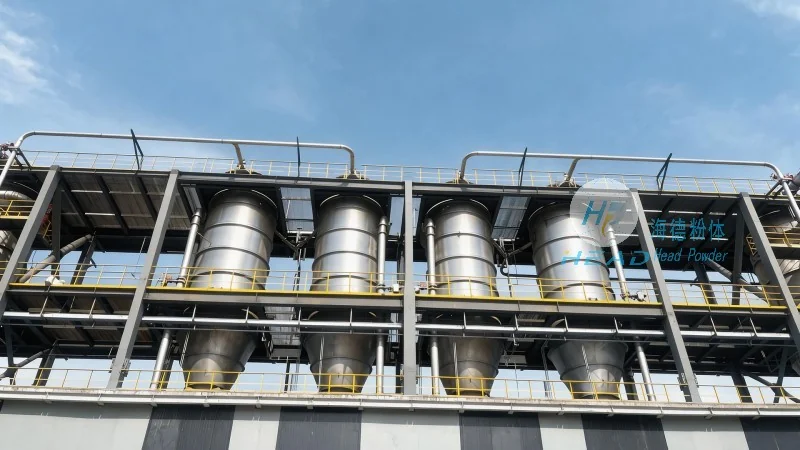
Advantages of Pneumatic Conveying for Red Sugar Handling
Compared to traditional mechanical conveying methods, pneumatic conveying offers several advantages for red sugar handling. First, it eliminates the need for physical contact between the material and the equipment, reducing the risk of contamination and ensuring product purity. Second, the system is more flexible, allowing for changes in the conveying route or volume without major modifications. Third, it is energy-efficient, as the air pressure can be adjusted to match the material flow, minimizing energy waste. Fourth, the equipment is compact and can be installed in limited spaces, making it suitable for industrial facilities with space constraints. Finally, the system is easy to maintain and clean, as the components are designed for quick access and can be disassembled for inspection and repair.
Conclusion
Red sugar pneumatic conveying equipment is a vital tool for the efficient and safe handling of red sugar in industrial applications. Through the integration of advanced engineering and precision components, such systems ensure that the material is transported with minimal loss and maximum quality. Shandong HeadPowder Engineering Co., Ltd. continues to lead the industry with innovative solutions that meet the evolving needs of the red sugar market, providing reliable and efficient equipment that enhances productivity and ensures product integrity.