

Principle and Working Scene Characteristics of Pneumatic Conveying Equipment for Coating Powder Mate
HeadPowder, a leading manufacturer based in Shandong, China, specializes in the design and production of pneumatic conveying systems tailored for the transportation of coating powders. This article explores the fundamental principles behind such equipment and highlights the key characteristics of its operational scenarios, providing insights into how these systems efficiently handle the unique challenges associated with coating powder materials.
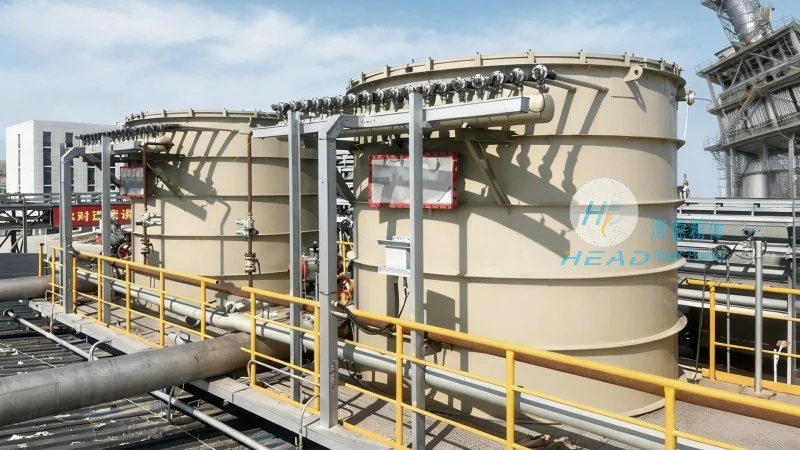
Understanding the Pneumatic Conveying Principle for Coating Powders
The core principle of pneumatic conveying for coating powders involves the use of air to transport solid particles through a closed pipeline system. This method is widely adopted in the coating industry due to its ability to handle fine powders, prevent product contamination, and maintain a clean, dust-free environment. The system typically operates under either positive pressure (pressure conveying) or negative pressure (suction conveying), each with distinct advantages depending on the specific application requirements.
Positive pressure systems utilize a blower or fan to generate air pressure that pushes the powder through the pipeline. This approach is ideal for long-distance or high-capacity transport, as it can maintain consistent flow rates and handle abrasive or corrosive powders. In contrast, negative pressure systems use a vacuum pump to create a suction effect, drawing the powder from the source into the pipeline. This method is often preferred for short-distance transport or when the material is sensitive to pressure changes, as it minimizes the risk of product degradation.
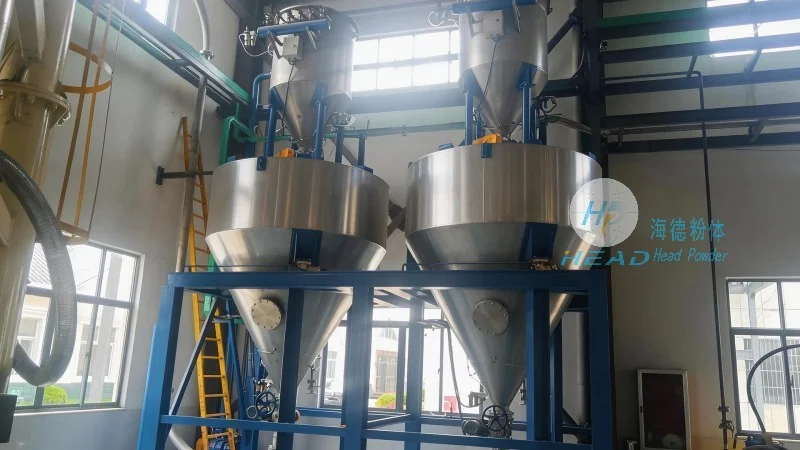
The pneumatic conveying system for coating powders consists of several critical components, including a hopper for material storage, a feeder to control the flow rate, a conveying line (usually made of stainless steel to resist corrosion from the powder), a filter or cyclone separator to remove air from the powder stream, and a discharge device at the receiving end. The selection of these components is crucial, as they directly impact the system's efficiency, reliability, and maintenance costs. For example, the hopper design must prevent material bridging or caking, which are common issues with coating powders that have high moisture content or are prone to agglomeration.
Key Working Scene Characteristics of Coating Powder Pneumatic Conveying
The operational scenarios for coating powder pneumatic conveying vary significantly based on the type of powder, the production process, and the end-use requirements. HeadPowder's equipment is designed to adapt to these diverse scenarios, ensuring optimal performance in each application.
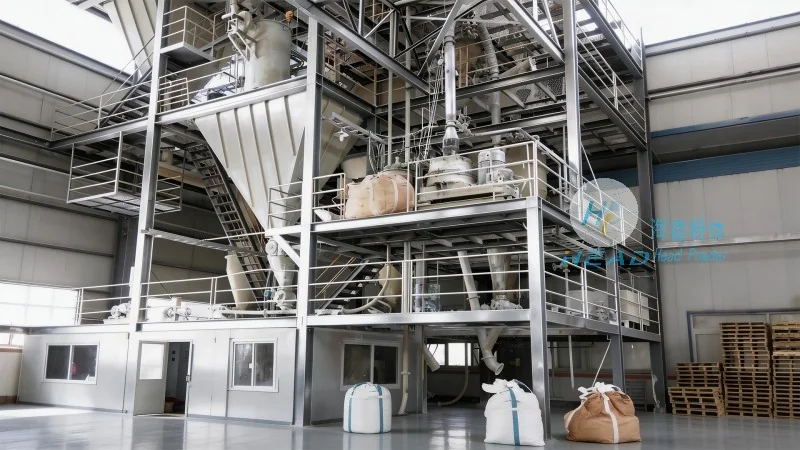
One common working scene is the transfer of high-purity coating powders from bulk storage to processing lines, such as in the manufacturing of paints, inks, or protective coatings. In this scenario, the primary goal is to maintain the powder's quality and prevent contamination from external sources. HeadPowder's systems incorporate advanced filtration and sealing technologies to achieve this, ensuring that the powder remains free from moisture, dust, or foreign particles. The equipment's ability to handle fine powders without clogging the pipeline is particularly important, as even minor blockages can disrupt production and lead to costly downtime.
Another critical working scene involves the integration of pneumatic conveying with automated production lines in coating plants. Here, the system must work in sync with other machinery, such as mixers, blenders, or spray booths, to ensure a continuous and seamless flow of materials. HeadPowder's solutions often include programmable logic controllers (PLCs) and sensors that monitor the flow rate, pressure, and temperature in real-time. This allows for automated adjustments to maintain optimal conditions, reducing the need for manual intervention and improving overall operational efficiency.
Additionally, the equipment is frequently used in scenarios where space is limited or the layout of the facility is complex. For instance, in small-scale coating workshops or retrofitting existing plants, the compact design of HeadPowder's pneumatic conveying systems enables easy installation and integration without requiring major structural modifications. The flexible pipeline configurations, such as curved or vertical sections, allow for the adaptation to various spatial constraints, making the system suitable for a wide range of applications.
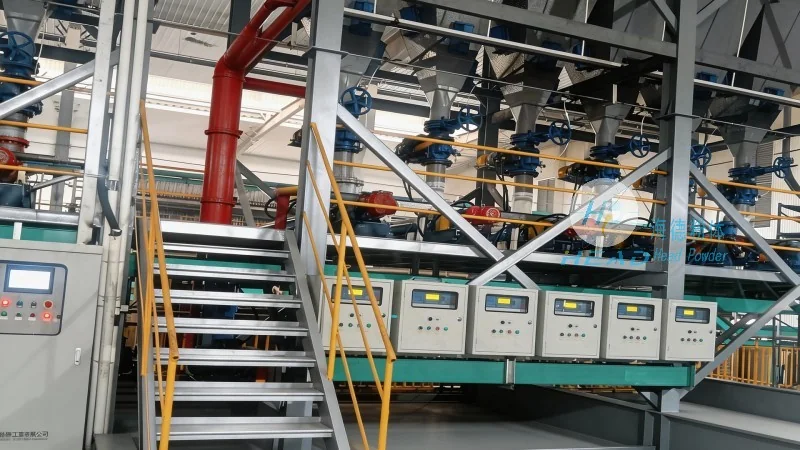
In industrial settings, the reliability and durability of the equipment are paramount. Coating powders can be abrasive, corrosive, or have high temperatures, which can degrade standard materials over time. HeadPowder's systems address these challenges by using high-quality materials, such as stainless steel or special alloys, for the conveying lines and components. This not only extends the equipment's lifespan but also ensures consistent performance under harsh conditions. Furthermore, the company's focus on robust construction and minimal maintenance requirements makes the equipment cost-effective in the long run, as it reduces the need for frequent repairs or replacements.
Environmental considerations also play a significant role in the working scene characteristics. Pneumatic conveying systems are generally more environmentally friendly compared to traditional methods, such as bucket elevators or belt conveyors, as they eliminate the need for mechanical parts that can generate dust or noise. HeadPowder's systems incorporate dust collection and filtration systems to minimize emissions, ensuring compliance with environmental regulations. This is particularly important in modern coating facilities, where sustainability and environmental responsibility are key priorities.