

Principle and Working Scene Characteristics of Pneumatic Conveying Equipment for Cement Auxiliary Ma
HeadPowder, a leading manufacturer based in Shandong, China, specializes in providing advanced pneumatic conveying solutions tailored for the transportation of cement auxiliary materials. This article delves into the fundamental principles behind these systems and highlights the key characteristics of their operational environments, offering insights into how such equipment enhances efficiency and reliability in cement production processes.
Introduction to Pneumatic Conveying Systems for Cement Auxiliary Materials
In the cement industry, the efficient and safe handling of auxiliary materials like limestone, gypsum, and fly ash is crucial for maintaining production line stability and product quality. Pneumatic conveying equipment, as a non-contact, closed-loop system, has emerged as a preferred solution for transporting these materials from storage silos to processing units. HeadPowder Engineering Co., Ltd., with its headquarters in Shandong, China, has been at the forefront of developing customized pneumatic conveying systems that meet the specific demands of modern cement plants.
Core Principle of Pneumatic Conveying Technology
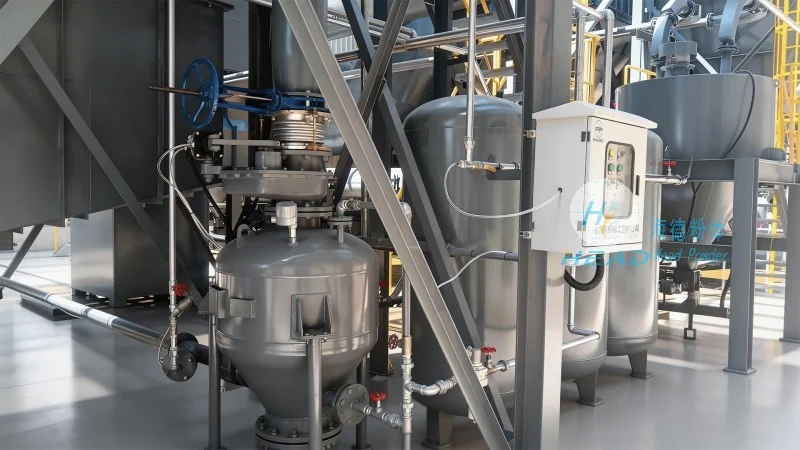
The fundamental principle of pneumatic conveying involves the use of compressed air or vacuum to move bulk materials through a pipeline. There are two primary modes: positive pressure (or pressure) conveying and negative pressure (or vacuum) conveying. In positive pressure systems, air is forced through the pipeline at a pressure higher than the ambient air, carrying the material particles along. Negative pressure systems, on the other hand, create a vacuum in the pipeline, drawing material from the source into the system. For cement auxiliary materials, which often require gentle handling to prevent degradation or dust generation, positive pressure systems are commonly preferred due to their ability to maintain consistent flow rates and minimize material degradation.
Working Scene Characteristics and Application Scenarios
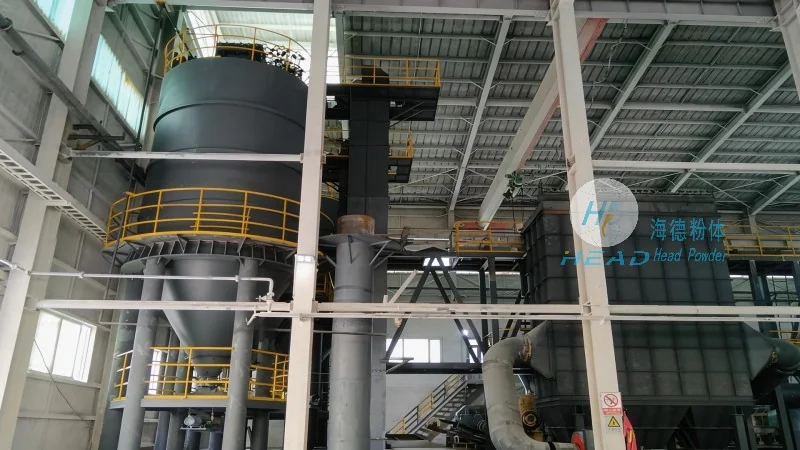
The operational characteristics of pneumatic conveying systems for cement auxiliary materials are closely tied to the specific working environments in which they are deployed. These systems are typically integrated into the existing infrastructure of cement plants, connecting raw material storage silos to grinding mills, preheaters, or other processing equipment. The working scene characteristics include:
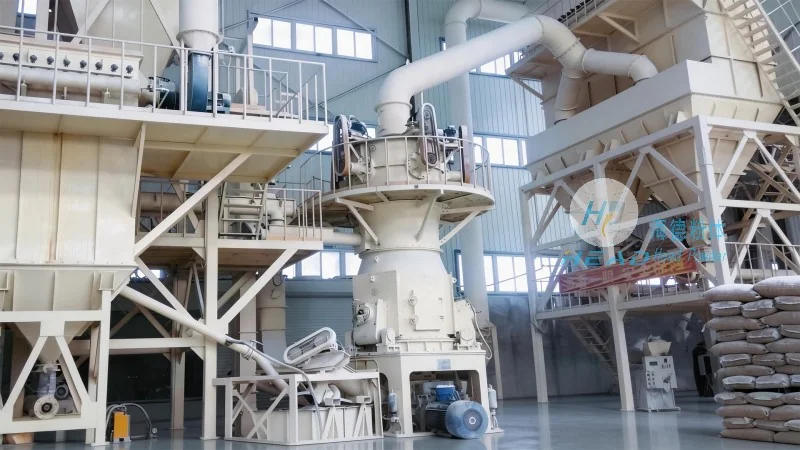
- Space Efficiency: Pneumatic conveyors are compact and can be installed in areas with limited space, making them ideal for retrofitting into existing cement plants.
- Material Handling Flexibility: They can handle a wide range of auxiliary materials, including powders and granules, with varying particle sizes and moisture content, adapting to different production requirements.
- Environmental Control: The closed-loop design of these systems effectively contains dust and prevents environmental contamination, aligning with modern industrial standards for pollution control.
- Process Integration: They can be seamlessly integrated with other production equipment, such as feeders and classifiers, to form a cohesive material handling system that enhances overall plant efficiency.
Typical application scenarios include the continuous supply of limestone or gypsum from storage silos to the raw mill, the transportation of fly ash from waste treatment facilities to the cement kiln, and the handling of additives like tricalcium aluminate or gypsum for adjusting cement properties. In each of these scenarios, the pneumatic conveying system ensures a steady, controlled flow of materials, minimizing downtime and optimizing production output.
Technical Advantages and Practical Implications for Cement Industry
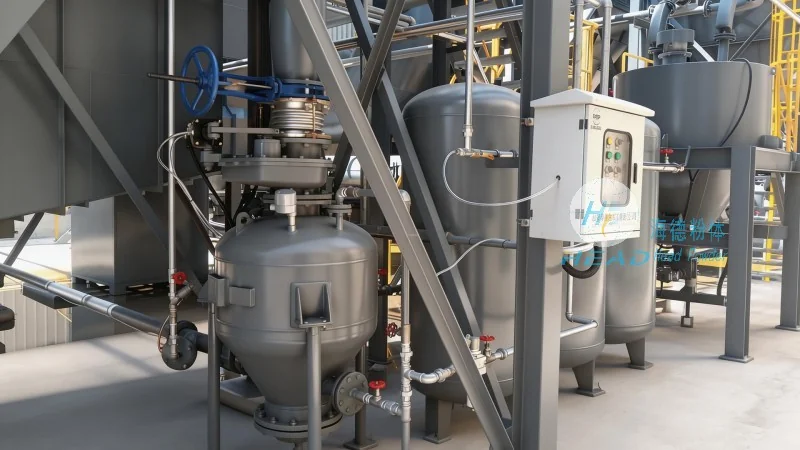
HeadPowder's pneumatic conveying equipment for cement auxiliary materials offers several technical advantages that contribute to improved operational performance in cement plants. These advantages include:
- High Efficiency and Reliability: The systems are designed to operate with high efficiency, ensuring consistent material flow rates and minimal maintenance requirements. This reliability is critical for maintaining continuous production in the cement industry, where interruptions can lead to significant financial losses.
- Energy Efficiency: Advanced designs, such as the use of variable frequency drives (VFDs) and optimized pipeline layouts, help reduce energy consumption while maintaining performance. This not only lowers operational costs but also aligns with sustainability goals in the cement sector.
- Low Maintenance and Long Service Life: The robust construction and use of high-quality materials in the components, such as stainless steel pipelines and wear-resistant materials in the conveying lines, result in lower maintenance needs and a longer service life compared to traditional belt or bucket conveyors.
- Customization and Scalability: HeadPowder provides customized solutions tailored to the specific needs of each client, whether it's a new plant installation or an upgrade to an existing facility. The systems can be scaled to handle varying material volumes, ensuring flexibility as production needs change.
By leveraging these technical advantages, cement plants can achieve significant improvements in operational efficiency, reduce material handling costs, and enhance overall product quality. The integration of pneumatic conveying systems into the production process not only addresses the immediate need for efficient material transport but also contributes to long-term operational stability and competitiveness in the cement market.