

Principle and Working Scene Characteristics of Pneumatic Conveying Lines for Lithium-Ion Battery Pos
HeadPowder, a leading engineering firm based in Shandong, China, specializes in the design and implementation of advanced pneumatic conveying systems tailored for the handling of lithium-ion battery positive electrode materials. These systems are critical in ensuring efficient, safe, and reliable material transport within high-tech manufacturing environments. The following sections explore the fundamental principles behind such systems and the specific characteristics of their operational scenarios.
The Core Principle of Pneumatic Conveying
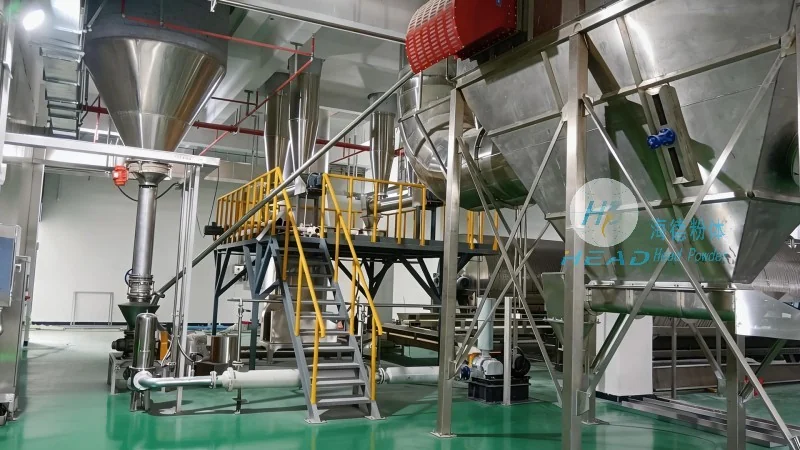
Pneumatic conveying, as the name suggests, utilizes compressed air or other gases to transport bulk materials through a pipeline network. In the context of lithium-ion battery positive electrode materials, this method offers several advantages over traditional mechanical conveying systems. The primary principle involves creating a pressure differential that propels the material particles along the pipeline. This can be achieved through either positive pressure (where air is forced into the system) or negative pressure (where air is drawn out, creating a vacuum). For materials like lithium cobalt oxide (LCO), lithium iron phosphate (LFP), or other complex cathode compounds, the choice of conveying method depends on factors such as material density, particle size, and moisture content. The system typically includes components like a hopper for material storage, a feeder to control the flow rate, a conveying line (often equipped with bends and straight sections), and a receiver to deposit the material at the destination. The air flow rate is carefully regulated to maintain optimal velocity, preventing material deposition or blockages while ensuring consistent transport efficiency.
Key Working Scene Characteristics
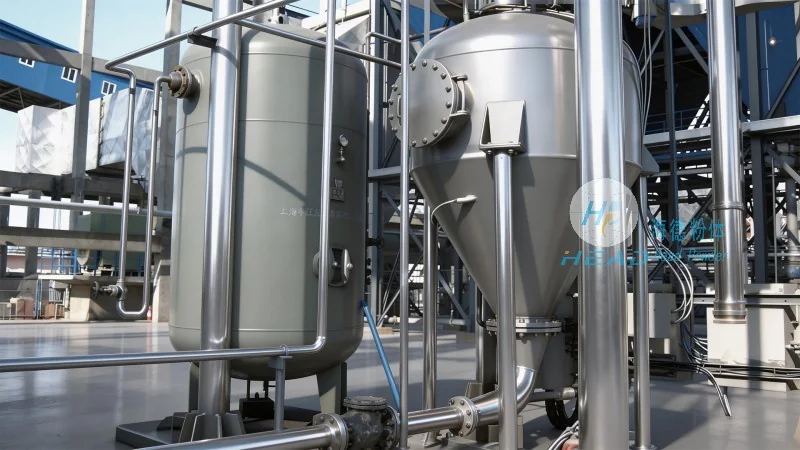
The operational scenarios for pneumatic conveying lines in lithium-ion battery production facilities exhibit distinct characteristics that influence system design and performance. First, the materials are often fine powders with specific chemical and physical properties, requiring specialized equipment to handle without degradation or contamination. The conveying lines must be constructed from materials compatible with the electrode compounds, such as stainless steel or PTFE-coated components, to prevent chemical reactions or material buildup. Second, the systems operate in high-purity environments, necessitating strict filtration of the air to remove particulates and maintain product quality. This is crucial for applications where even trace contaminants can affect battery performance. Third, the scale of production demands robust, high-capacity systems capable of handling large volumes of material quickly and reliably. For instance, in a battery cell manufacturing plant, the conveying line may need to transport several tons of positive electrode material per hour to meet production targets. The design must account for the dynamic nature of the process, including start-up and shutdown sequences, to ensure smooth operation without interruptions.
Application Examples and Operational Efficiency
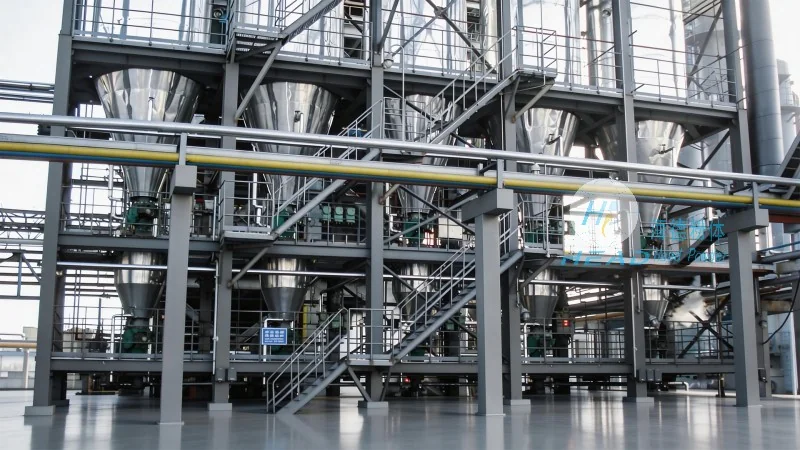
HeadPowder's pneumatic conveying lines are deployed in various stages of the lithium-ion battery production process, from raw material handling to final product assembly. A common application is the transport of positive electrode powders from storage silos to mixing and coating lines. The system efficiently moves the material while maintaining its integrity, minimizing the risk of agglomeration or degradation. Another scenario involves the transfer of finished electrode sheets from the coating machine to the drying and cutting stations. Here, the conveying line ensures a continuous flow of material, supporting high-speed production lines. The working scene characteristics in these applications include high throughput requirements, strict quality control, and the need for integration with other manufacturing equipment. The systems are designed to be compatible with existing production lines, allowing for seamless integration without disrupting workflow. Operational efficiency is enhanced through features like automated flow control, real-time monitoring of air pressure and material flow, and maintenance alerts to prevent downtime. These elements contribute to consistent performance and reduced operational costs.
Conclusion: The Role of Pneumatic Conveying in Lithium-Ion Battery Manufacturing
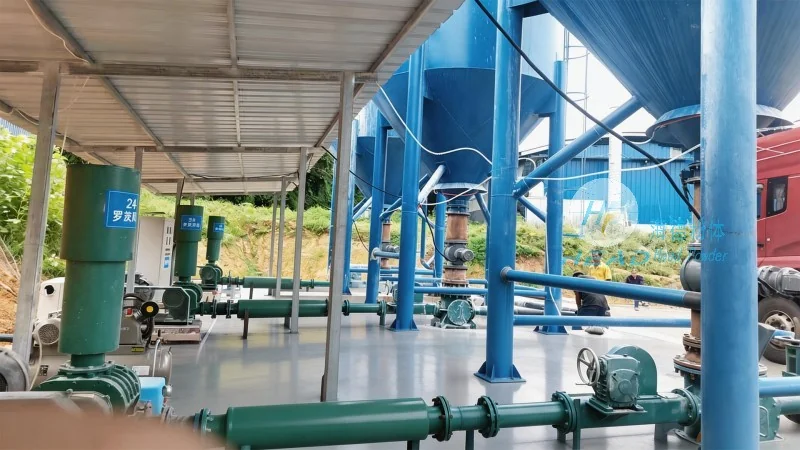
For companies like Shandong HeadPowder Engineering Co., Ltd., pneumatic conveying lines represent a cornerstone technology in the efficient and safe production of lithium-ion battery positive electrode materials. By leveraging the principles of air-based transport, these systems address the unique challenges of handling fine, reactive powders while meeting the demanding requirements of modern battery manufacturing. The working scene characteristics—such as material purity, high throughput, and environmental control—drive the design and implementation of these systems, ensuring they align with the specific needs of each production facility. As the lithium-ion battery industry continues to grow, the importance of reliable material handling systems like pneumatic conveying will only increase, making them essential for maintaining competitiveness and product quality.