

Principle and Working Scene Characteristics of Desulfurization and Dust Removal Ash Material Pneumat
HeadPowder, a leading provider in the field of material handling solutions, specializes in the design, manufacturing, and installation of advanced pneumatic conveying systems. With a strong presence in Shandong, China, the company has established itself as a trusted partner for industries requiring efficient and reliable transport of bulk materials, particularly in applications related to desulfurization and dust removal processes.
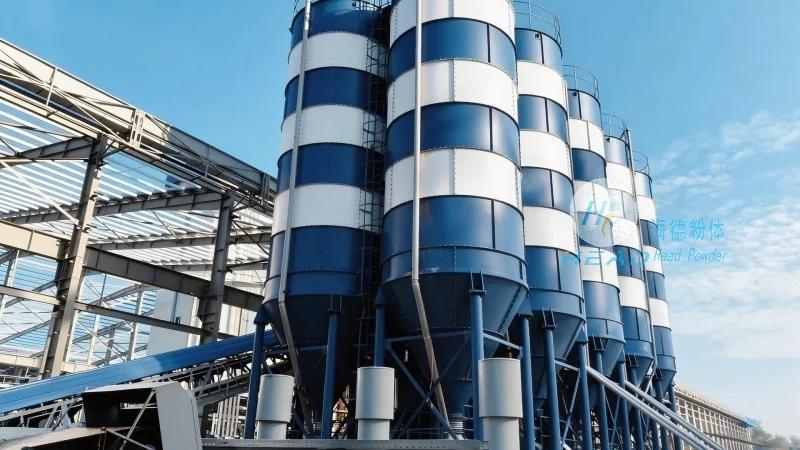
Introduction to Desulfurization and Dust Removal Ash Pneumatic Conveying Systems
Desulfurization and dust removal ash, commonly known as FGD (Flue Gas Desulfurization) ash, is a byproduct generated during the treatment of flue gases from power plants and industrial facilities. This material is often characterized by its fine particle size, high moisture content, and abrasive nature, making traditional bulk material handling methods inefficient and potentially damaging to equipment. To address these challenges, pneumatic conveying lines have emerged as a preferred solution for transporting FGD ash from collection points to disposal or utilization sites. The following sections will explore the fundamental principles of these systems and the key characteristics of their operational environments.
Principle of Pneumatic Conveying for FGD Ash
The core principle of pneumatic conveying systems is the use of air or gas to transport bulk materials through a pipeline network. In the case of FGD ash, the system typically operates under positive pressure, where a blower or compressor generates a flow of air that propels the ash particles through the pipeline. The process involves several critical components, including a hopper for material storage, a feeder to control the flow rate, a conveying line with appropriate pipe diameter and material of construction (often stainless steel or special alloys to resist corrosion and abrasion), and a receiver or discharge point where the ash is deposited. The air velocity within the pipeline is carefully controlled to ensure that the ash particles remain suspended and transported without settling or causing blockages. This principle allows for a continuous, closed-loop system that minimizes dust emissions and provides a hygienic handling environment.
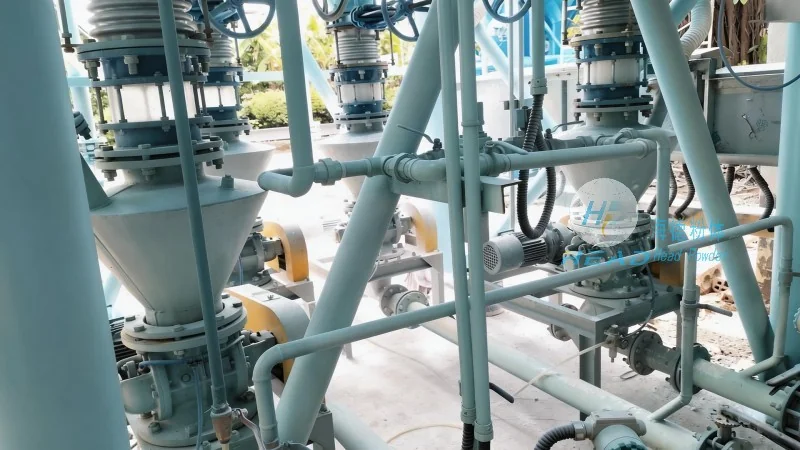
Key Components and Their Functions
Several key components work in tandem to ensure the efficient operation of a desulfurization and dust removal ash pneumatic conveying line. The hopper serves as the primary storage vessel, holding the ash until it is fed into the system. The feeder, often a rotary valve or a screw feeder, regulates the material flow rate to match the air flow, preventing overloading and maintaining consistent conveying performance. The blower or compressor is the power source, generating the necessary air pressure and flow to move the ash particles. The conveying line itself must be designed with appropriate diameter and material to withstand the abrasive nature of the ash and the corrosive effects of any residual chemicals. Additionally, the system may include filters and cyclones to separate the ash from the air stream, ensuring that the discharged air meets environmental regulations and that the ash is collected in a clean and manageable form.
Working Scene Characteristics and Operational Advantages
The operational environment of desulfurization and dust removal ash pneumatic conveying systems is characterized by several unique features that influence system design and performance. First, the material's fine particle size and high moisture content require a system capable of handling low bulk densities and maintaining consistent flow. This often necessitates higher air velocities and more robust feeding mechanisms to prevent clogging. Second, the abrasive nature of the ash can lead to rapid wear on components such as the hopper, feeder, and pipeline, necessitating the use of wear-resistant materials like high-chrome steel or polyurethane liners. Third, the system must be designed to minimize dust emissions, as FGD ash can be a health hazard if released into the environment. This is achieved through the use of sealed hoppers, positive pressure operation, and efficient filtration systems. Finally, the system's operational flexibility allows for easy integration with existing plant infrastructure, enabling seamless transport from the desulfurization unit to storage or disposal facilities without the need for extensive ground-level transport.
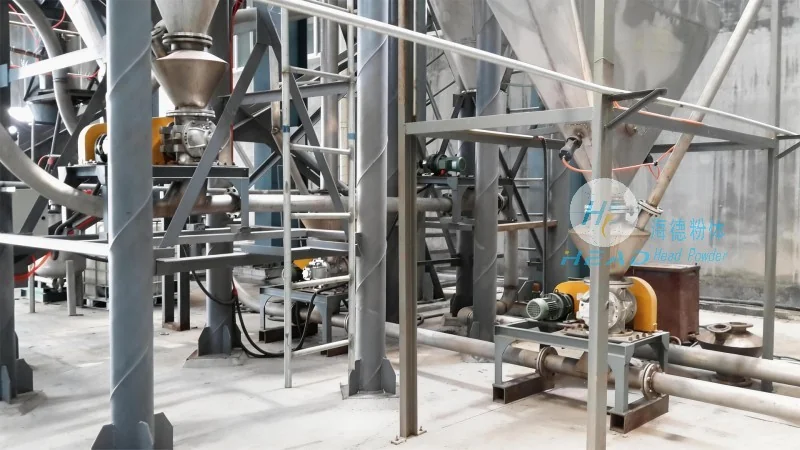
Applications and Industry Impact
Desulfurization and dust removal ash pneumatic conveying lines are widely used in power generation, steel, and chemical industries, where the efficient handling of FGD ash is critical for both environmental compliance and operational efficiency. By eliminating the need for traditional truck or conveyor transport, these systems reduce transportation costs, minimize environmental impact, and improve workplace safety by eliminating manual handling of the ash. The closed-loop design also helps in maintaining the quality of the ash, as it is not exposed to external contaminants or weather conditions. Moreover, the ability to transport ash to distant locations or to utilization sites (such as cement production or soil amendment) enhances the economic value of the byproduct, contributing to a more sustainable industrial operation.
Conclusion and Company Expertise
HeadPowder Engineering Co., Ltd., based in Shandong, China, has extensive experience in designing and implementing pneumatic conveying systems for desulfurization and dust removal ash applications. The company's expertise lies in tailoring systems to meet the specific requirements of each client, considering factors such as material properties, plant layout, and environmental regulations. By leveraging advanced engineering and high-quality materials, HeadPowder ensures that its pneumatic conveying lines provide reliable, efficient, and cost-effective solutions for transporting FGD ash. The company's commitment to innovation and customer satisfaction has made it a leading choice for industries seeking to optimize their material handling processes and reduce their environmental footprint.