

Principle and Working Scene Characteristics of Catalyst Material Pneumatic Conveying
Pneumatic conveying is a critical technology in the handling and transportation of catalyst materials, offering efficient and reliable solutions for industrial applications. This method involves the use of air or other gases to transport bulk materials through a pipeline system. The process is essential for maintaining the quality and integrity of catalyst powders, which are often sensitive to moisture, contamination, and mechanical stress. By understanding the fundamental principles and practical applications of this technology, industries can optimize their material handling processes and enhance operational efficiency. HeadPowder, a leading provider of material handling solutions, specializes in designing and implementing pneumatic conveying systems tailored to the unique needs of catalyst material handling.
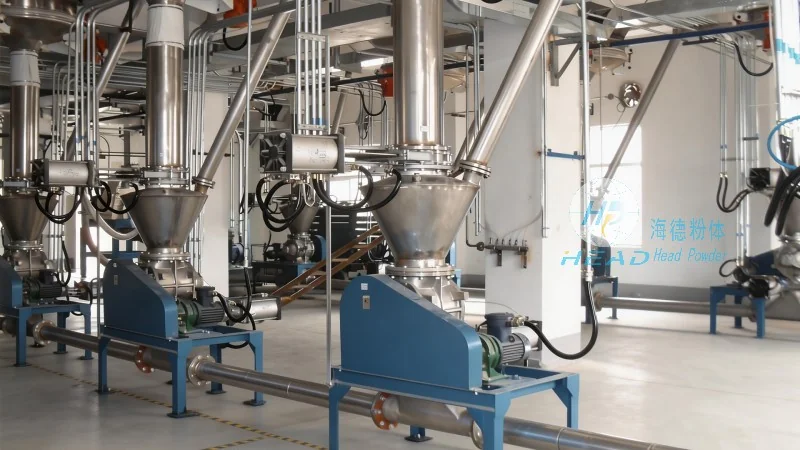
The Core Principle of Pneumatic Conveying
The principle of pneumatic conveying for catalyst materials is based on the creation of a pressure differential or vacuum within a pipeline. This differential causes the catalyst powder to be suspended and transported by the moving air stream. There are two primary types of pneumatic conveying systems: pressure and vacuum systems. Pressure systems use compressed air to push the material through the pipeline, while vacuum systems use a vacuum to draw the material from the source. For catalyst materials, which are often fine powders with specific particle sizes and flow characteristics, the choice of system depends on factors such as material density, moisture content, and the distance and layout of the conveying route.
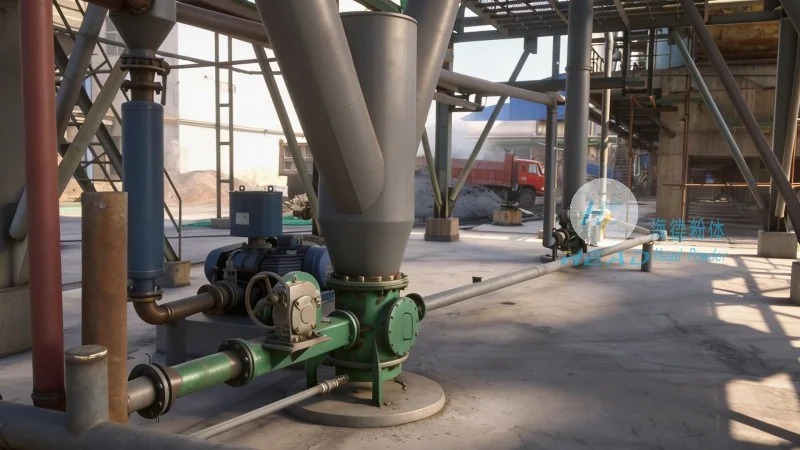
Key Working Scene Characteristics
The working scene characteristics of pneumatic conveying for catalyst materials are influenced by several factors that affect system performance and material handling efficiency. These characteristics include the material's particle size distribution, bulk density, and flowability. Catalyst powders typically have a wide range of particle sizes, from sub-micron to several microns, which can impact the conveying velocity and pressure requirements. Additionally, the presence of moisture or agglomerates can affect the material's behavior in the conveying system, potentially leading to blockages or reduced efficiency. The system design must account for these characteristics to ensure smooth and consistent material transport.
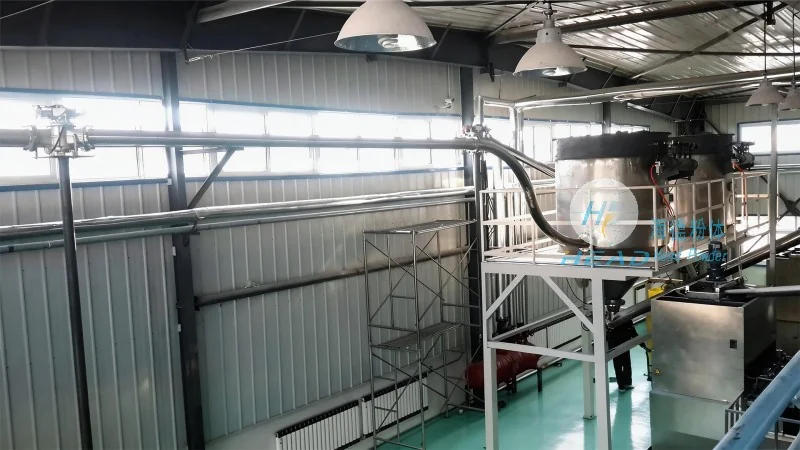
Applications in Industrial Settings
In industrial settings, pneumatic conveying of catalyst materials is widely used in various processes, including chemical manufacturing, petrochemical plants, and pharmaceutical production. For example, in a chemical plant, catalyst powders may need to be transported from storage silos to reactors or reactors to regeneration units. The ability to handle these materials in a closed system minimizes exposure to environmental factors and maintains product purity. In petrochemical applications, the conveying of catalysts for cracking or reforming processes requires high-velocity systems to ensure efficient mixing and reaction. The working scene characteristics in these industries often involve high throughput and the need for precise control over material flow, which is achieved through advanced control systems and monitoring equipment.
Advantages of Pneumatic Conveying for Catalyst Handling
There are several advantages to using pneumatic conveying for catalyst materials. One of the primary benefits is the ability to handle materials in a closed system, which prevents contamination and dust emissions. This is particularly important for catalyst powders, which are often toxic or reactive and require strict containment. Additionally, pneumatic conveying systems can transport materials over long distances with minimal loss of material quality. The process is also relatively fast and can handle high volumes, making it suitable for continuous production processes. Another advantage is the flexibility of the system, which can be adapted to different material types and process requirements. This adaptability is crucial for industries that deal with a variety of catalyst formulations and production scales.
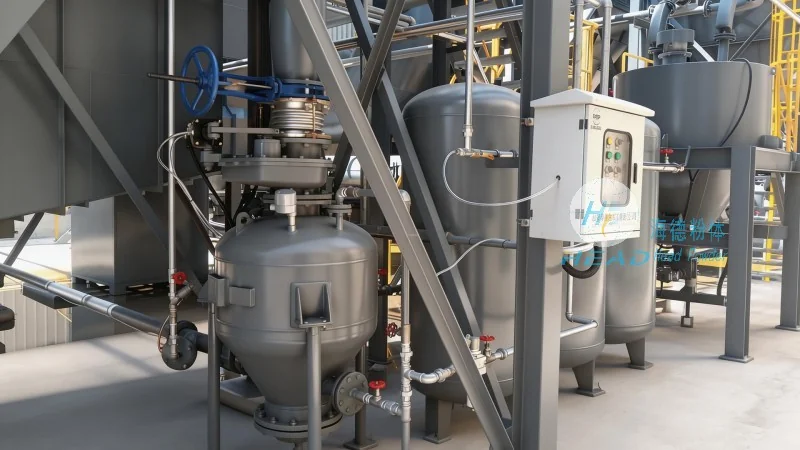
Considerations for System Design and Operation
When designing and operating a pneumatic conveying system for catalyst materials, several considerations must be taken into account to ensure optimal performance. The first is the selection of the appropriate conveying velocity, which is determined by the material's properties and the system's pressure or vacuum levels. Too low a velocity can lead to material settling or blockages, while too high a velocity can cause excessive wear on the system components and increase energy consumption. Another consideration is the system's pressure drop, which must be managed to maintain efficient material transport without excessive energy use. The use of appropriate equipment, such as cyclones for material separation and filters for air purification, is also essential to maintain system efficiency and material quality. Regular maintenance and monitoring of the system are necessary to prevent issues such as clogging or equipment failure, which can disrupt production and lead to material loss.