

Principles and Application Scenarios of Polyethylene Material Pneumatic Conveying
For industries dealing with polyethylene materials, efficient material handling is crucial to maintaining production efficiency and ensuring product quality. Pneumatic conveying technology offers a reliable solution for transporting polyethylene powders or granules, providing advantages such as low maintenance, minimal product contamination, and the ability to handle materials in various environments. This article explores the fundamental principles of polyethylene material pneumatic conveying and highlights key application scenarios where this technology excels.
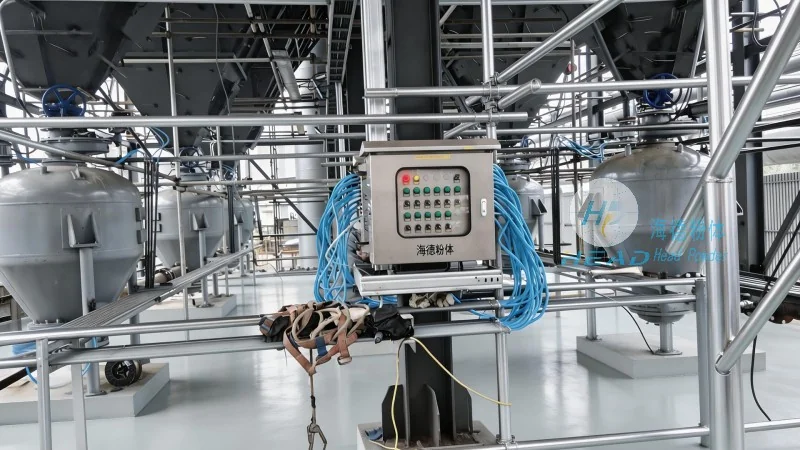
About HeadPowder: A Leader in Material Handling Solutions
HeadPowder, formally known as Shandong HeadPowder Engineering Co., Ltd., is a prominent company based in Shandong, China, specializing in the design, manufacturing, and implementation of advanced material handling systems. With a strong focus on innovation and customer-centric solutions, HeadPowder has established itself as a trusted partner for industries requiring efficient and reliable material transport solutions. The company’s expertise in pneumatic conveying systems, particularly for polyethylene materials, has enabled it to deliver tailored solutions that meet the unique needs of clients across various sectors.
The Core Principles of Polyethylene Material Pneumatic Conveying
Pneumatic conveying works by using a stream of air to transport solid materials through a pipeline. In the case of polyethylene, which is typically in powder or granular form, the system utilizes either pressure or vacuum to move the material. The principle involves creating a flow of air that carries the polyethylene particles, ensuring they are transported from the source to the destination without the need for mechanical components like belts or buckets. This method is particularly effective for polyethylene due to its relatively low density and the ability to handle fine powders without clogging or degradation.
Key components of a polyethylene pneumatic conveying system include the material feed hopper, the conveying line, the air supply system (either positive pressure or negative pressure), and the discharge unit. The feed hopper ensures a consistent flow of polyethylene into the system, while the conveying line transports the material through the pipeline. The air supply system generates the necessary airflow to move the material, and the discharge unit collects the polyethylene at the end of the line. The design of these components is critical to the efficiency and effectiveness of the system, as improper sizing or configuration can lead to issues such as material buildup or reduced conveying capacity.

Application Scenarios of Polyethylene Material Pneumatic Conveying
Pneumatic conveying of polyethylene is widely used in various industrial applications, including plastic manufacturing, chemical processing, and food processing. In plastic manufacturing, for example, polyethylene granules are often transported from storage silos to extrusion lines or molding machines. The ability to handle large volumes of polyethylene efficiently and hygienically makes pneumatic conveying ideal for this application. Similarly, in chemical processing plants, polyethylene powders may be transported between reactors or storage tanks, where the system’s ability to maintain product purity and prevent contamination is essential.
Another key application scenario is in the food industry, where polyethylene is used as a packaging material or in the production of food-grade plastics. Pneumatic conveying ensures that the polyethylene material remains clean and free from contaminants, which is critical for food safety regulations. The system’s ability to handle fine powders without clogging also makes it suitable for applications where the material needs to be transported in a controlled manner, such as in the production of polyethylene films or bags.
In addition to these primary applications, pneumatic conveying of polyethylene is also used in recycling facilities, where used polyethylene products are processed and converted into new materials. The system’s efficiency in handling large volumes of recycled polyethylene helps to streamline the recycling process, reducing waste and improving overall sustainability. Furthermore, in research and development settings, pneumatic conveying is used to transport polyethylene samples for testing and analysis, providing a reliable method for handling small quantities of material in a laboratory environment.

Advantages of Using Pneumatic Conveying for Polyethylene Materials
Compared to traditional material handling methods, such as belt conveyors or bucket elevators, pneumatic conveying offers several advantages when dealing with polyethylene materials. One of the most significant benefits is the reduction in product contamination, as the system is enclosed and does not come into direct contact with the material. This is particularly important for polyethylene, which is often used in applications where purity is critical, such as in the production of medical devices or food packaging. Additionally, pneumatic conveying systems are generally more compact and require less floor space compared to other methods, making them suitable for facilities with limited space.
Another advantage is the ability to handle a wide range of polyethylene types, including different grades of granules or powders. The system can be adjusted to accommodate various material characteristics, such as density and flowability, ensuring optimal performance. Furthermore, pneumatic conveying systems are relatively low maintenance, as they have fewer moving parts compared to mechanical conveyors. This reduces downtime and maintenance costs, making them a cost-effective solution for long-term material handling needs.
Finally, the flexibility of pneumatic conveying systems allows for easy integration into existing production lines. The system can be designed to fit within the existing infrastructure of a facility, minimizing the need for major renovations or modifications. This makes it an attractive option for companies looking to upgrade their material handling capabilities without significant disruption to their operations.