

Principle and Working Scene Characteristics of Lithium Carbonate Material Pneumatic Conveying
Lithium carbonate, a critical raw material in the battery industry, requires efficient and reliable handling methods for its transportation from production sites to processing facilities. Pneumatic conveying offers a sophisticated solution for moving this material, combining the advantages of automation, safety, and reduced labor costs. This article explores the fundamental principles behind pneumatic conveying for lithium carbonate and highlights the key characteristics of its application in various industrial settings.
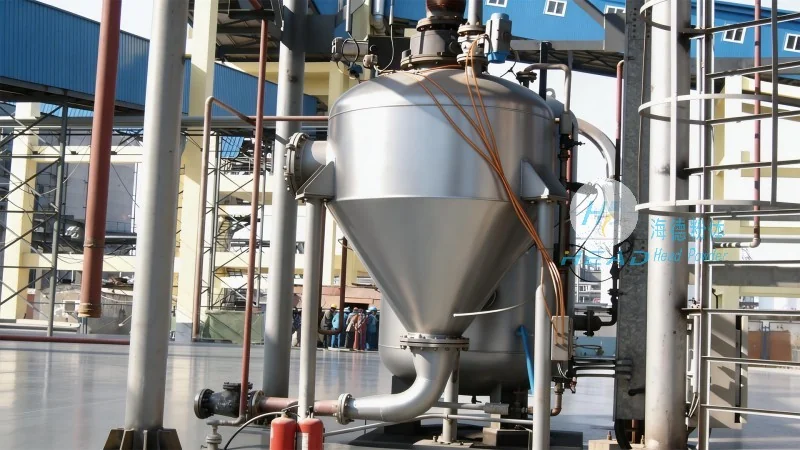
The Core Principles of Pneumatic Conveying for Lithium Carbonate
Pneumatic conveying operates by transporting solid materials, such as lithium carbonate, through a pipeline using a gas stream, typically air or a mixture of air and other gases. The process can be categorized into two main types: dilute-phase and dense-phase conveying. Dilute-phase systems use high velocities to suspend particles in the air stream, suitable for short distances and low material loads. Dense-phase systems, on the other hand, employ lower velocities and higher pressure to push material through the pipeline, ideal for longer distances and more viscous or abrasive materials. For lithium carbonate, which is often fine and can be prone to dust generation, dense-phase conveying is frequently preferred to minimize product degradation and ensure consistent flow rates.
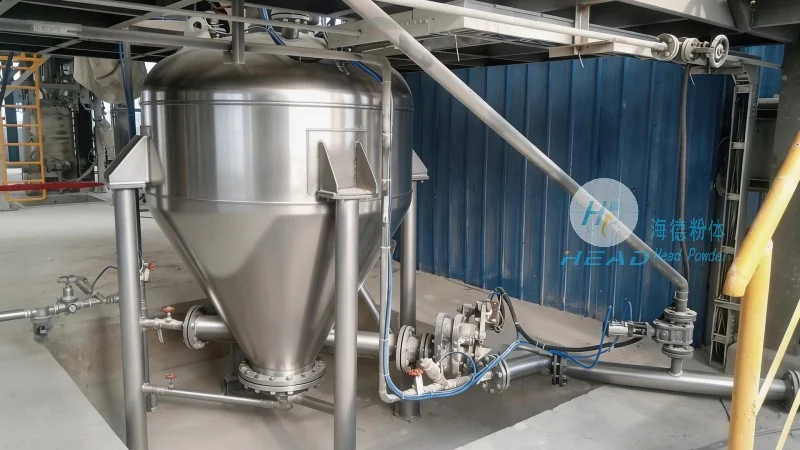
Key Working Scene Characteristics of Lithium Carbonate Pneumatic Conveying
The application of pneumatic conveying in lithium carbonate processing is defined by several critical characteristics that enhance operational efficiency and product quality. First, the system's ability to handle fine powders without clogging or blockages is paramount. Lithium carbonate particles are typically in the range of 10-200 microns, and the conveying system must be designed to prevent agglomeration and maintain a smooth flow. Second, the need for dust control is a significant consideration. Pneumatic conveying inherently generates dust, but modern systems incorporate filtration and collection mechanisms to comply with environmental regulations and protect worker health. Third, the system's scalability allows it to adapt to varying production volumes, from small-scale laboratory testing to large-scale industrial operations. This flexibility makes it suitable for both research and development (R&D) facilities and full-scale manufacturing plants.
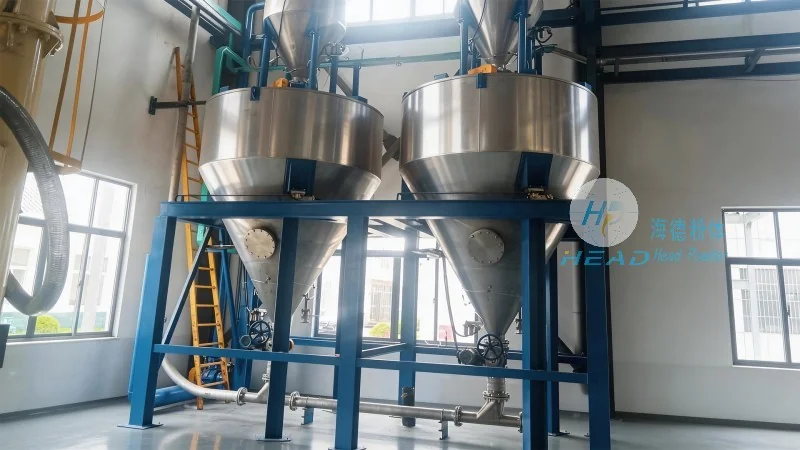
Operational Advantages in Industrial Applications
When integrated into lithium carbonate processing lines, pneumatic conveying systems offer several operational advantages that contribute to overall productivity. One of the most notable benefits is the reduction in material handling time. Unlike traditional methods such as bucket elevators or belt conveyors, which require multiple transfer points and manual intervention, pneumatic systems can transport material directly from storage silos to processing equipment, minimizing downtime and increasing throughput. Additionally, the enclosed nature of the system prevents contamination from external sources, ensuring that the lithium carbonate remains pure and free from impurities that could affect battery performance. This is particularly important in the battery industry, where even trace contaminants can impact the final product's quality and lifespan.
Customization and Integration with Existing Facilities
Another key characteristic of lithium carbonate pneumatic conveying systems is their adaptability to existing industrial infrastructure. Companies like Shandong HeadPowder Engineering Co., Ltd. specialize in designing and implementing customized solutions that integrate seamlessly with current production lines. For example, a system can be retrofitted into an existing facility to replace outdated manual handling methods, or it can be designed as a new installation for a greenfield project. The engineering team at HeadPowder considers factors such as the plant's layout, material flow requirements, and safety standards to develop a tailored solution. This approach ensures that the system not only meets the immediate needs of the lithium carbonate processing operation but also supports future expansion and technological advancements.
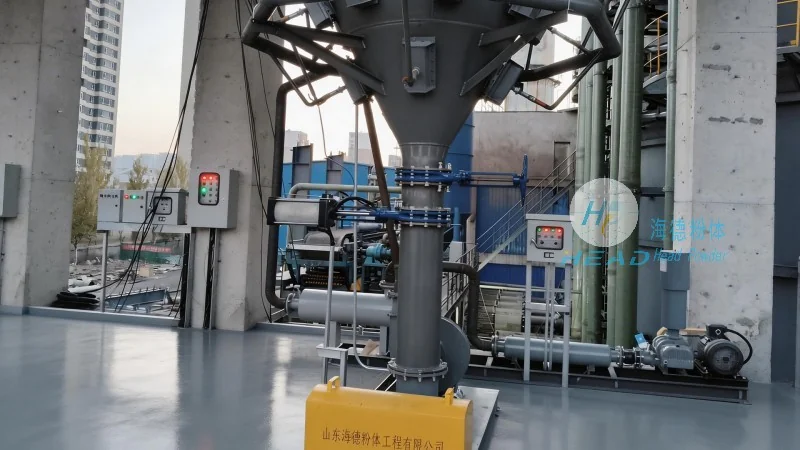
Conclusion: The Role of Pneumatic Conveying in Lithium Carbonate Processing
In conclusion, pneumatic conveying represents a highly effective method for handling lithium carbonate in modern industrial settings. By leveraging the principles of gas-liquid or gas-solid flow, these systems provide a reliable, efficient, and safe means of transporting the material from production to processing stages. The working scene characteristics, including fine powder handling, dust control, and scalability, make it an ideal choice for the battery industry, where precision and consistency are non-negotiable. As the demand for lithium carbonate continues to grow with the expansion of electric vehicle and renewable energy markets, the importance of robust material handling solutions like pneumatic conveying will only increase. Companies such as Shandong HeadPowder Engineering Co., Ltd. play a crucial role in providing these advanced systems, ensuring that lithium carbonate can be processed efficiently and sustainably to meet global energy demands.