

Principle and Working Scene Characteristics of Pneumatic Conveying for Carbon Black Powder Materials
Carbon black powder is a critical raw material widely used in various industrial sectors, including rubber, tires, coatings, and plastics. The efficient and reliable transportation of carbon black powder from storage to processing units is essential for maintaining production efficiency and product quality. Pneumatic conveying has emerged as a preferred method for handling carbon black powder due to its ability to transport materials in a dust-free environment, reducing contamination risks and improving operational safety.
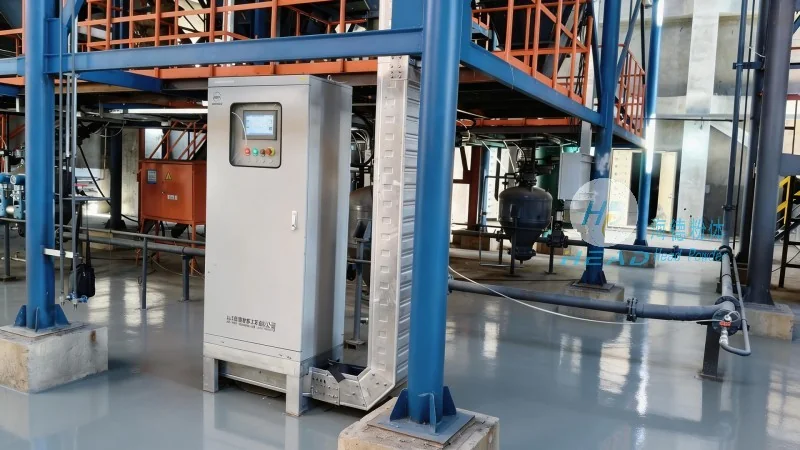
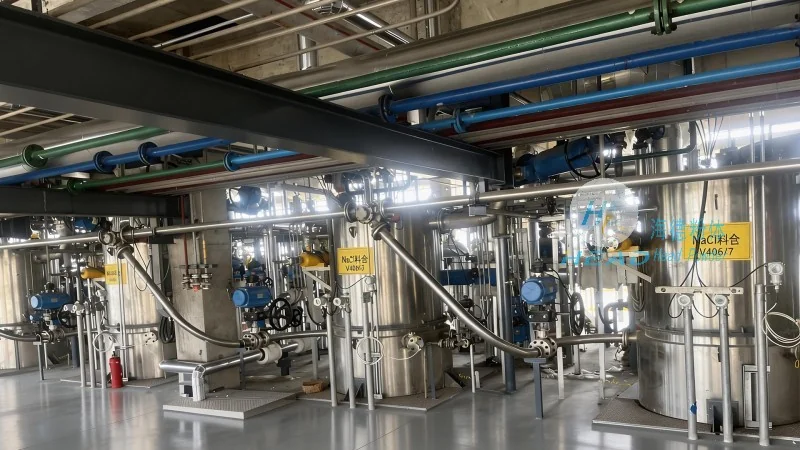
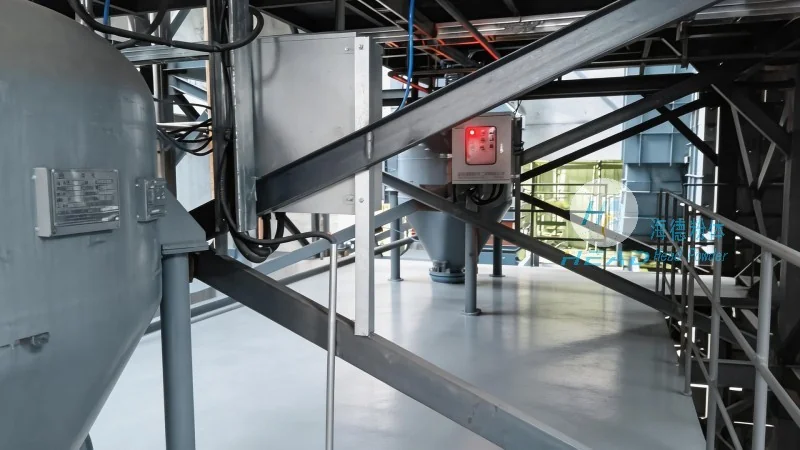
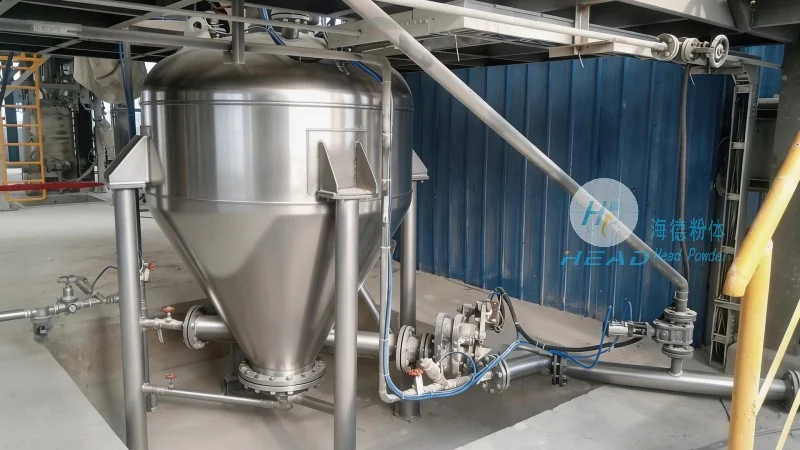
Principle of Pneumatic Conveying for Carbon Black Powder
Pneumatic conveying systems rely on the fundamental principle of transporting bulk materials using a fluid medium, typically air or gas. For carbon black powder, the system's design is optimized to handle the material's physical properties, which include a high bulk density (typically 500-800 kg/m³) and a fine particle size (ranging from 10 to 100 microns). The key components of a typical pneumatic conveying system for carbon black powder include a material feeder, a conveying line (usually made of stainless steel or other corrosion-resistant materials), a blower or vacuum pump, and a receiver or discharge unit. The material feeder is responsible for feeding the carbon black powder into the conveying line at a controlled rate, ensuring a consistent flow that matches the system's capacity. The conveying line is designed with appropriate diameter and length to maintain the air velocity within the optimal range for particle suspension. In positive pressure systems, the blower generates a pressure of 0.5 to 2 bar, while the air velocity in the pipeline is maintained at 15 to 25 m/s to keep the carbon black powder particles suspended and prevent deposition. In negative pressure systems, the vacuum pump creates a pressure of -0.5 to -1 bar, with the air velocity in the pipeline being lower (8 to 15 m/s) to avoid excessive particle breakage. The choice of system type depends on factors such as the distance between the source and destination, the volume of material to be transported, and the need to minimize dust emissions. For example, long-distance transport of carbon black powder over several hundred meters is often more efficiently handled by positive pressure systems, while short-distance transport in enclosed facilities may use negative pressure systems to reduce noise and vibration.