

Principles and Application Scenarios of Pneumatic Conveying for Plastic Powder Materials
HeadPowder, a leading engineering company based in Shandong, China, specializes in the design, manufacturing, and implementation of advanced pneumatic conveying systems tailored for plastic powder materials. This article explores the fundamental principles behind pneumatic conveying technology and highlights key application scenarios where such systems excel in material handling processes.
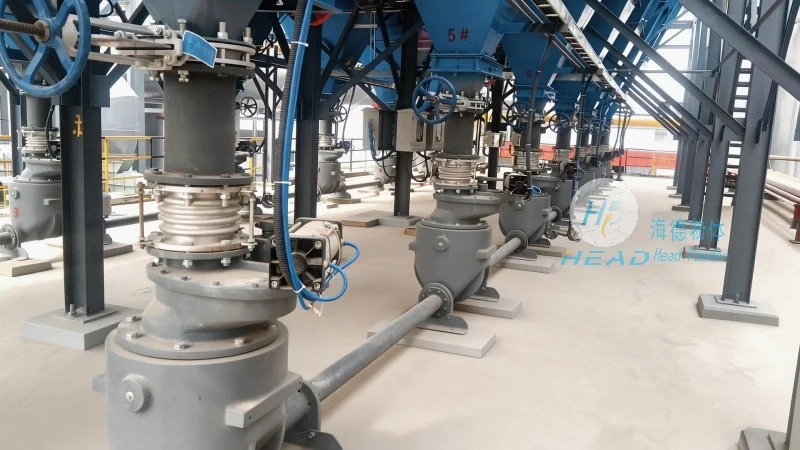
Understanding Pneumatic Conveying Principles
Pneumatic conveying, also known as air conveying, is a method of transporting bulk materials like plastic powders through a pipeline using a stream of pressurized or vacuum air. The core principle involves creating a flow of air that moves the material particles along the pipeline, eliminating the need for mechanical components such as belts or buckets. There are two primary types of pneumatic conveying systems: pressure systems, which use positive pressure to push material through the line, and vacuum systems, which use negative pressure to pull material from a source. The choice between these systems depends on factors like material characteristics, distance, and system layout.

Key Components of a Pneumatic Conveying System
Effective plastic powder pneumatic conveying systems consist of several critical components. These include a material feeder to introduce the plastic powder into the pipeline, a conveying line (often made of stainless steel or other corrosion-resistant materials to handle plastic powders), a control system to regulate air pressure and flow, and a discharge device to release the material at the destination. Additionally, systems may incorporate filters and cyclones to separate air from the material, ensuring clean air discharge and preventing material loss. The design of each component is crucial for optimizing performance, minimizing downtime, and maintaining material quality.
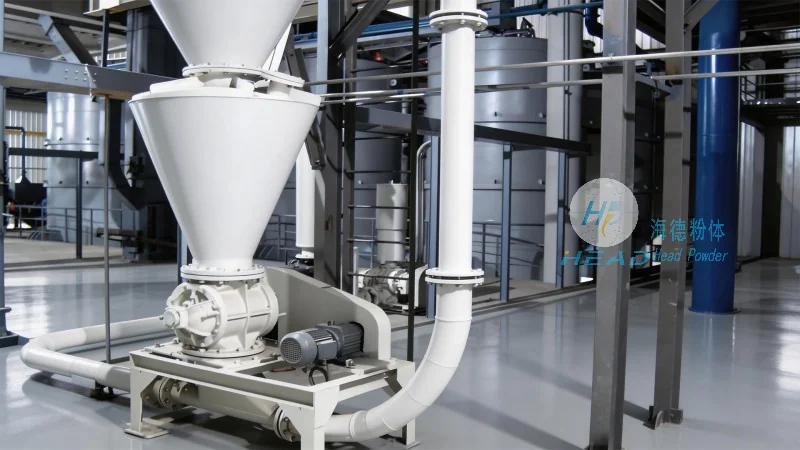
Application Scenarios for Plastic Powder Pneumatic Conveying
HeadPowder's pneumatic conveying solutions are widely applied in various industrial settings where efficient and dust-free transfer of plastic powders is essential. One common scenario is in the plastic manufacturing industry, where raw plastic powders need to be transported from storage silos to processing machines. The systems ensure a continuous and controlled flow of material, reducing the risk of contamination and improving production efficiency. Another application is in the recycling sector, where plastic waste is processed into reusable powders and then conveyed to recycling facilities. Pneumatic systems here help maintain a clean and hygienic environment, which is critical for compliance with environmental regulations. Furthermore, in research and development laboratories, small-scale pneumatic conveying systems are used to handle experimental plastic powders, allowing for precise and controlled material transfer for testing and analysis.
Advantages of Pneumatic Conveying for Plastic Powders
Compared to traditional mechanical conveying methods, pneumatic conveying offers several advantages when handling plastic powders. First, it provides a dust-free and enclosed system, which enhances workplace safety and reduces the risk of material contamination. This is particularly important in industries where product purity is paramount, such as pharmaceuticals or food processing, though plastic powder applications also benefit from this feature. Second, pneumatic systems are highly flexible, allowing for easy reconfiguration of the pipeline layout to accommodate changes in production processes or facility expansions. Third, they can handle a wide range of plastic powder types, including different densities, flow properties, and moisture contents, without requiring significant modifications to the system. Finally, these systems are generally low-maintenance, as they have fewer moving parts compared to mechanical conveyors, leading to lower operational costs and longer service life.
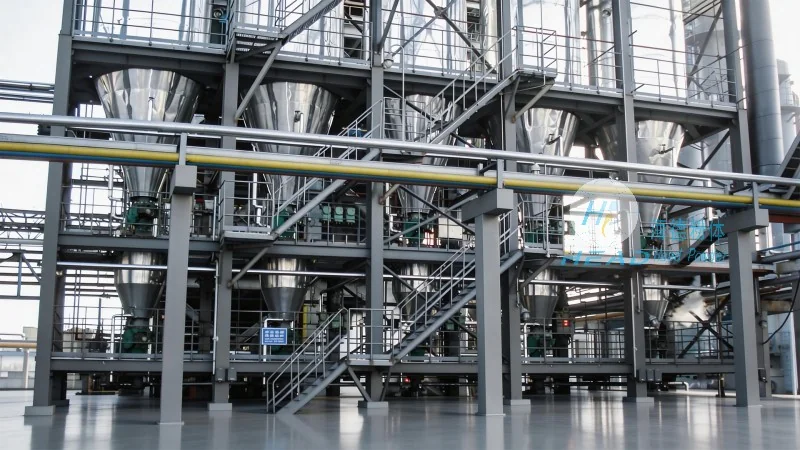
Customization and Integration by HeadPowder
HeadPowder Engineering Co., Ltd., with its headquarters in Shandong, China, specializes in developing customized pneumatic conveying solutions that meet the specific needs of each client. The company works closely with customers to assess their material handling requirements, process flow, and operational constraints to design a system that maximizes efficiency and reliability. Whether it's a new plant setup or an upgrade to an existing system, HeadPowder's engineering team provides comprehensive support from initial design and feasibility studies to installation, commissioning, and ongoing maintenance. The company's expertise in material science and fluid dynamics ensures that the final system is optimized for the unique characteristics of plastic powders, such as their tendency to agglomerate or clog in traditional conveying systems. By leveraging advanced technology and years of industry experience, HeadPowder delivers pneumatic conveying systems that not only meet but often exceed industry standards, helping clients achieve their production goals while maintaining high material quality and operational safety.