

Principle and Working Scene Characteristics of Lithium Fluoride Powder Pneumatic Conveying Equipment
HeadPowder, a leading engineering company based in Shandong, China, specializes in the design and manufacturing of advanced pneumatic conveying systems for various industrial applications. This article focuses on the principle and working scene characteristics of a specialized equipment used for the transportation of lithium fluoride powder, a critical material in the chemical and pharmaceutical industries.
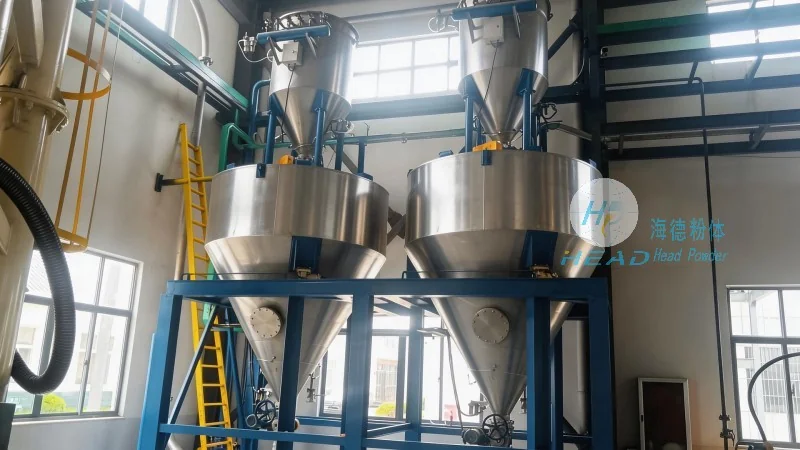
Introduction to Lithium Fluoride Powder Pneumatic Conveying
Lithium fluoride (LiF) is a white crystalline powder widely used as a flux in metallurgy, a component in nuclear fuel, and a precursor in pharmaceutical synthesis. The efficient and safe handling of LiF powder is essential to maintain product quality and ensure operational safety. Pneumatic conveying systems offer a solution by transporting the powder through a pipeline using air or other gases, eliminating the need for mechanical components that could cause contamination or wear.
Principle of Pneumatic Conveying for Lithium Fluoride
The core principle of pneumatic conveying involves creating a pressure differential to move the powder. In the case of lithium fluoride, the system typically operates under positive pressure, where compressed air is introduced into the conveying line to push the powder particles forward. The design of the equipment includes a hopper for material storage, a feeder to control the flow rate, and a pipeline system with appropriate fittings and valves. The air velocity within the pipeline is crucial; it must be sufficient to suspend the powder particles but not so high as to cause excessive pressure drop or particle degradation. The system may also incorporate features such as cyclone separators or filters to separate the powder from the air stream, ensuring that the material is delivered to the destination without loss or contamination.
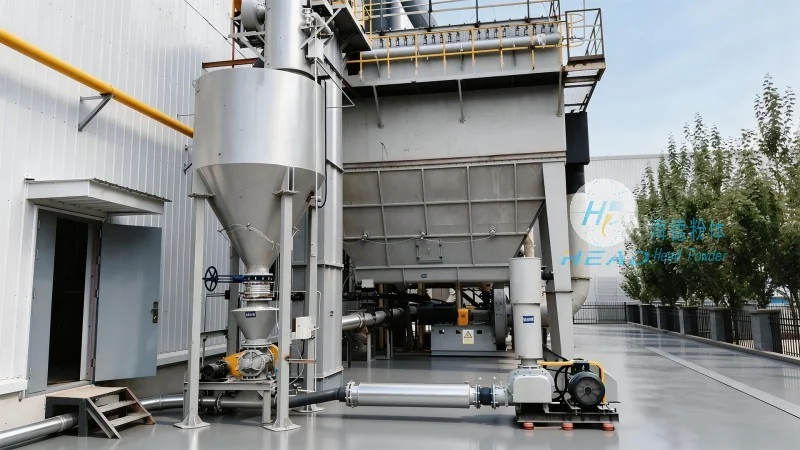
Working Scene Characteristics of the Equipment
The working scene characteristics of the lithium fluoride powder pneumatic conveying equipment are tailored to meet the specific demands of industrial processes. These characteristics include:
1. High Purity and Contamination Control: The equipment is designed with materials that are resistant to chemical attack from lithium fluoride, ensuring that the powder remains free from contaminants. The enclosed system minimizes exposure to external elements, which is critical for maintaining the purity of LiF, especially in applications where it is used as a raw material in pharmaceuticals or nuclear technology.
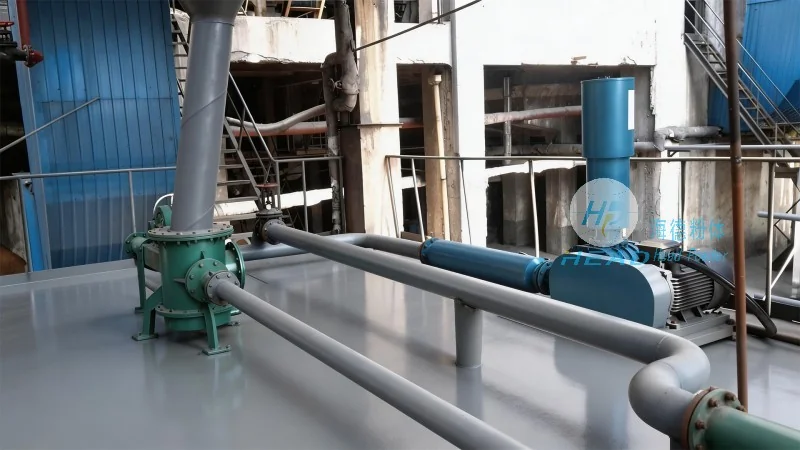
2. Scalability and Flexibility: The system can be customized to handle different flow rates and pipeline lengths, making it suitable for both small-scale laboratory operations and large-scale industrial production lines. The modular design allows for easy integration with existing production facilities, reducing downtime and installation costs.
3. Energy Efficiency and Low Maintenance: Modern pneumatic conveying systems for lithium fluoride are engineered to optimize energy consumption. The use of efficient air compressors and optimized pipeline designs reduces operational costs. Additionally, the equipment is constructed with durable materials and components that require minimal maintenance, ensuring long-term reliability and consistent performance.
4. Safety and Environmental Compliance: The system incorporates safety features such as pressure relief valves and emergency shut-off mechanisms to prevent accidents. The enclosed design also helps in controlling dust emissions, complying with environmental regulations and ensuring a safe working environment for personnel.
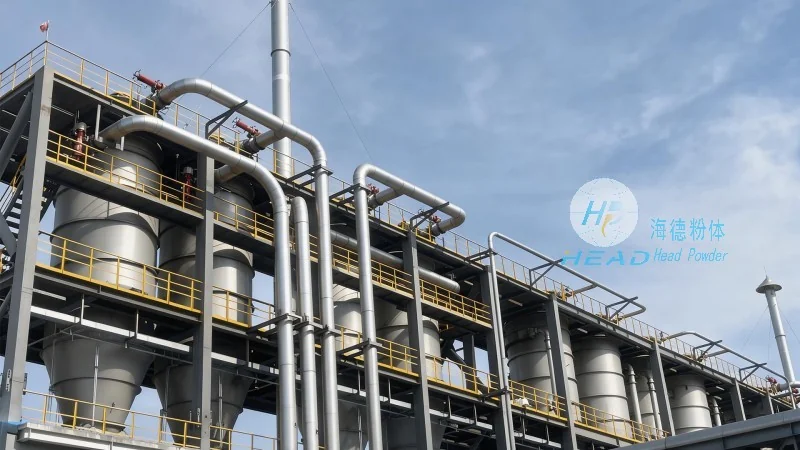
Application Scenarios
The lithium fluoride powder pneumatic conveying equipment is widely used in several industrial sectors. In the chemical industry, it is employed in the production of lithium-based compounds, where the precise handling of LiF is essential to control reaction rates and product quality. In the pharmaceutical industry, the equipment is used to transport LiF as an intermediate in the synthesis of lithium-based drugs, where purity and consistency are paramount. Additionally, in the nuclear industry, the system is utilized for the handling of LiF in fuel processing, where the equipment's ability to maintain material integrity and prevent contamination is critical for safety and efficiency.
Conclusion
HeadPowder's lithium fluoride powder pneumatic conveying equipment exemplifies advanced engineering solutions for handling sensitive industrial powders. By combining efficient pneumatic conveying principles with robust design features, the equipment ensures high purity, scalability, and safety in various working scenes. As a result, it plays a vital role in supporting the production processes of lithium fluoride in diverse industries, contributing to the overall efficiency and reliability of industrial operations.