

Principle and Working Scene Characteristics of Zinc Roast Sand Powder Pneumatic Conveying Equipment
Zinc roast sand powder pneumatic conveying equipment is a specialized system engineered to handle and transport zinc roast sand, a critical byproduct in the zinc smelting and processing industry. This equipment leverages pneumatic conveying technology, which involves moving solid particles through a gas stream—typically air—to achieve efficient material transport. The system is designed to address the unique challenges associated with zinc roast sand, such as its fine particle size, propensity for dust generation, and the need for controlled, low-loss transport over varying distances.
Principle of Operation
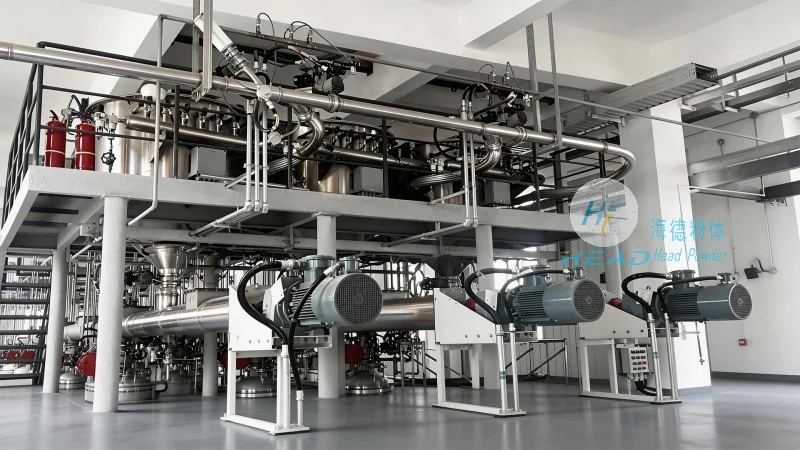
The core principle of zinc roast sand powder pneumatic conveying equipment is based on the pneumatic transport mechanism. In this system, zinc roast sand is introduced into a conveying line, where it is suspended and carried by a high-velocity air stream. The equipment typically comprises a hopper for material storage, a feeder to regulate flow rate, a conveying line (often equipped with ducts and bends), and a receiver for discharged material. The air flow is generated by a blower or fan, which creates the necessary pressure and velocity to move particles. The system can operate in either positive pressure (where the conveying line is under pressure) or negative pressure (where the line is under suction) modes, depending on application requirements. The selection of the conveying mode is influenced by factors like the distance to be covered, material properties, and the need to prevent dust leakage or environmental contamination.
Key Components and Their Functions
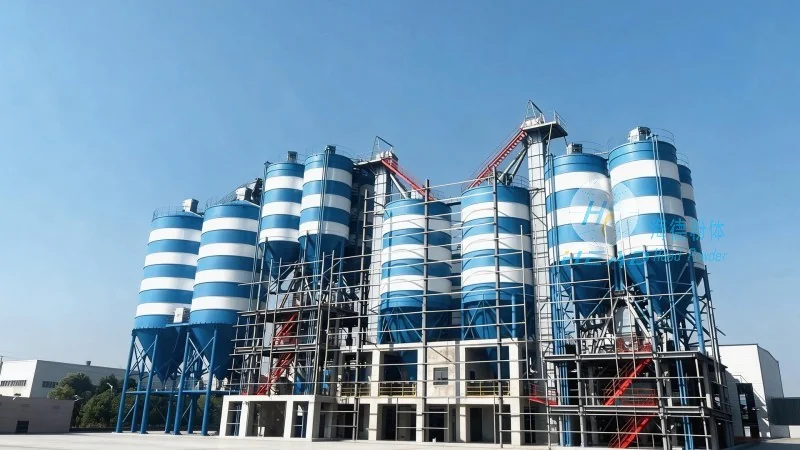
Several critical components work in tandem to ensure efficient operation of zinc roast sand powder pneumatic conveying equipment. The hopper serves as the storage vessel, providing controlled feed of zinc roast sand to the system. It is designed with a sloped bottom to facilitate smooth discharge and often includes a level indicator to monitor material inventory. The feeder, typically a rotary valve or screw feeder, regulates flow rate into the conveying line, ensuring consistent and controlled material input. The conveying line, made of corrosion- and abrasion-resistant materials (such as stainless steel or special alloys), is engineered to withstand the abrasive nature of zinc roast sand particles and air flow effects. The line may include bends, elbows, and expansion joints to accommodate directional changes and minimize pressure losses. The receiver, usually a hopper or storage tank, collects conveyed material and can be equipped with a discharge valve to control output. The blower or fan acts as the power source, providing required air flow and pressure to move particles through the system. It is selected based on flow rate and pressure needs, ensuring sufficient energy to overcome friction and maintain particle suspension.
Working Scene Characteristics
The working scene characteristics of zinc roast sand powder pneumatic conveying equipment are tailored to zinc processing facility needs. These include high material transport efficiency, low maintenance requirements, and the ability to handle large zinc roast sand volumes. The equipment is commonly used in industrial settings where zinc roast sand must be transported from processing units (such as roasters or crushers) to storage silos or further processing equipment (like ball mills or flotation units). The system is designed for dust control, as zinc roast sand is a fine powder that can generate significant dust if not properly contained—critical for workplace safety and environmental compliance. The equipment is also suitable for long-distance transport, covering distances of several hundred meters or more with minimal material loss. It offers flexibility, allowing adjustments to flow rate and pressure to accommodate varying production rates or material property changes. The working scene may integrate with other processing equipment, such as dust collectors or air filtration systems, to ensure regulatory compliance and maintain a clean environment.
Advantages and Applications
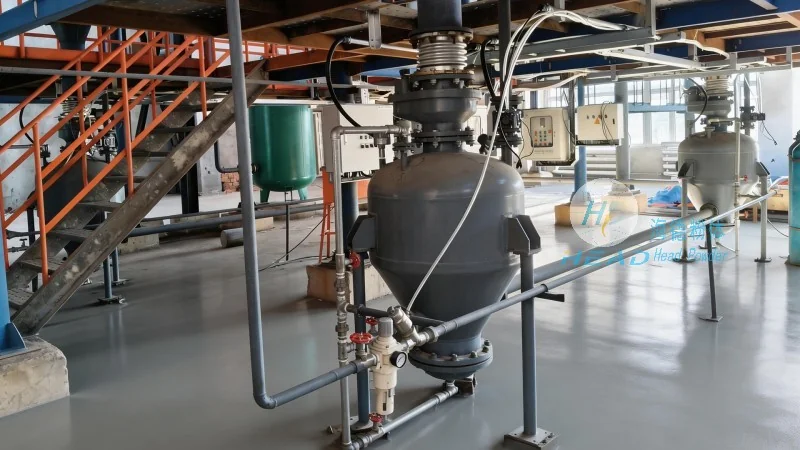
Zinc roast sand powder pneumatic conveying equipment offers advantages over traditional mechanical conveying methods. A primary benefit is closed-system material transport, reducing dust emissions and enhancing workplace safety—essential in zinc processing where dust can be hazardous. The system provides precise control over material flow, regulating conveying rate and pressure to maintain consistent production processes and prevent line blockages. It also has low maintenance needs, as it has fewer moving parts than mechanical conveyors, reducing repair and replacement requirements. The equipment is ideal for handling abrasive materials like zinc roast sand, which can quickly wear out mechanical components. Applications are widespread in the zinc industry, including transporting zinc roast sand from roasting furnaces to storage silos, from crushers to ball mills, and from flotation units to waste disposal areas. It is also used in other industries where fine powder materials need transport, such as chemicals and pharmaceuticals.