

Principle and Working Scene Characteristics of Cellulose Powder Pneumatic Conveying Equipment
Cellulose powder, as a widely used raw material in various industrial processes, requires efficient and reliable transportation methods to ensure smooth production flow. Pneumatic conveying equipment has emerged as a key solution for handling such powders, offering advantages like dust-free operation, energy efficiency, and flexibility. This article delves into the principles behind cellulose powder pneumatic conveying systems and explores the specific characteristics of their working scenes, highlighting the technological advancements and practical applications in industrial settings.
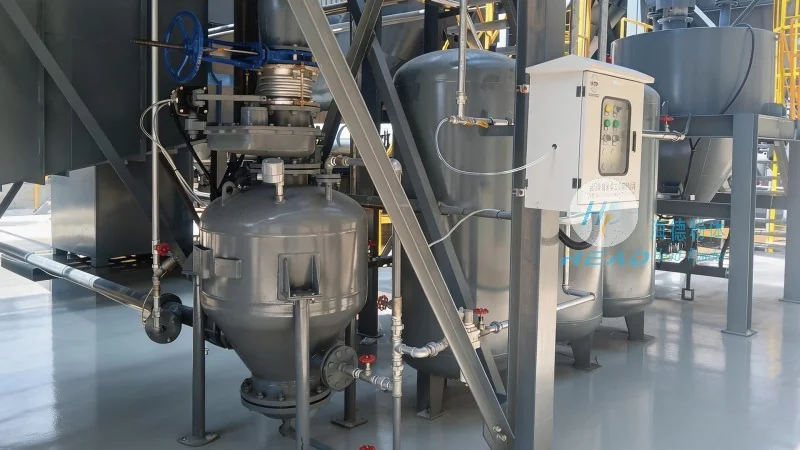
Introduction to Cellulose Powder Pneumatic Conveying
Cellulose powder, derived from natural sources such as wood pulp or agricultural residues, is a critical component in industries like paper manufacturing, pharmaceuticals, and food processing. The effective handling of this fine powder is essential to maintain product quality and operational efficiency. Pneumatic conveying systems utilize air or gas to transport the powder particles through a pipeline network, eliminating the need for mechanical components that might cause contamination or damage to the material. The core principle of pneumatic conveying involves creating a pressure differential or using vacuum to move the powder, ensuring it remains suspended and transported without clogging or degradation.
Key Components and Working Principle
The operation of a cellulose powder pneumatic conveying system relies on several critical components, each playing a vital role in the overall process. The main components include a feeding device, a conveying line, a separator or filter, and a discharge mechanism. The feeding device, often a rotary valve or a hopper, introduces the cellulose powder into the system at a controlled rate. The conveying line, typically made of stainless steel or other corrosion-resistant materials, transports the powder and air mixture. The separator or filter is crucial for separating the powder from the air, ensuring that the powder is delivered to the destination without loss or contamination. The discharge mechanism, such as a rotary valve or a bagging unit, releases the powder at the end of the line.
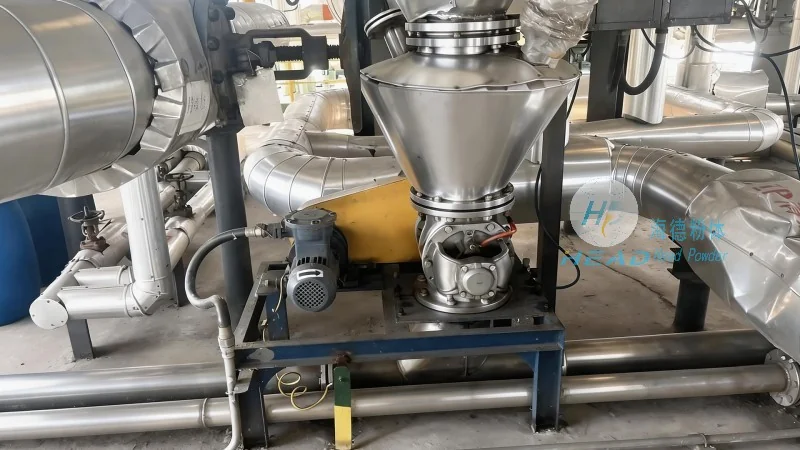
The working principle of pneumatic conveying can be categorized into two main types: pressure and vacuum systems. In pressure systems, compressed air is used to push the powder through the pipeline, creating a positive pressure environment. This method is suitable for short to medium-distance conveying and is commonly used in applications where the powder needs to be transported from a central storage to multiple processing points. Vacuum systems, on the other hand, use a vacuum pump to create a negative pressure that draws the powder into the pipeline. This approach is ideal for long-distance conveying and for applications where the powder must be collected from multiple sources and transported to a central location.
Working Scene Characteristics of Cellulose Powder Pneumatic Conveying
The working scene characteristics of cellulose powder pneumatic conveying systems vary based on the specific industrial application and the scale of operation. In paper mills, for example, these systems are used to transport cellulose pulp from storage silos to the papermaking machines, ensuring a continuous supply of raw material. The working environment in such settings is characterized by high humidity and the presence of other chemicals, requiring the equipment to be robust and resistant to corrosion. The conveying lines are often designed with multiple branches to distribute the powder to different sections of the mill, and the systems are equipped with advanced control mechanisms to maintain consistent flow rates.
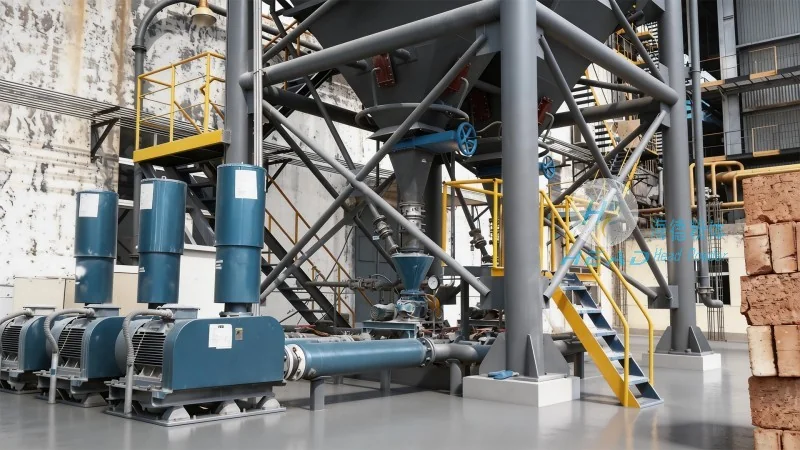
In the pharmaceutical industry, the handling of cellulose powder is subject to stringent quality and safety standards. Pneumatic conveying systems used here are typically designed with closed-loop systems to prevent contamination and ensure product purity. The working scene in pharmaceutical plants involves precise control of temperature and humidity, as these factors can affect the properties of the powder. The equipment is often made of stainless steel and equipped with HEPA filters to maintain a clean environment. The conveying process is carefully monitored to avoid any agglomeration or degradation of the powder, which could impact the final product quality.
In the food processing sector, cellulose powder is used as an ingredient in various products, such as dietary supplements and food additives. The pneumatic conveying systems used in this industry must comply with food safety regulations and be easy to clean and maintain. The working scene in food processing plants is characterized by high hygiene standards, and the equipment is designed with smooth surfaces and minimal dead zones to prevent the accumulation of powder. The conveying lines are often equipped with sanitary fittings and the ability to be sterilized, ensuring that the powder remains free from contaminants throughout the process.
Advantages and Considerations in Working Scenes
Cellulose powder pneumatic conveying systems offer several advantages in various working scenes, making them a preferred choice for many industries. One of the primary benefits is the ability to handle fine powders without the need for mechanical components, which reduces the risk of product contamination and damage. The systems are also energy-efficient, as they use less power compared to traditional methods like bucket elevators or belt conveyors. Additionally, pneumatic conveying systems provide flexibility in terms of layout, allowing for the integration of multiple conveying lines and the ability to reconfigure the system as production needs change.
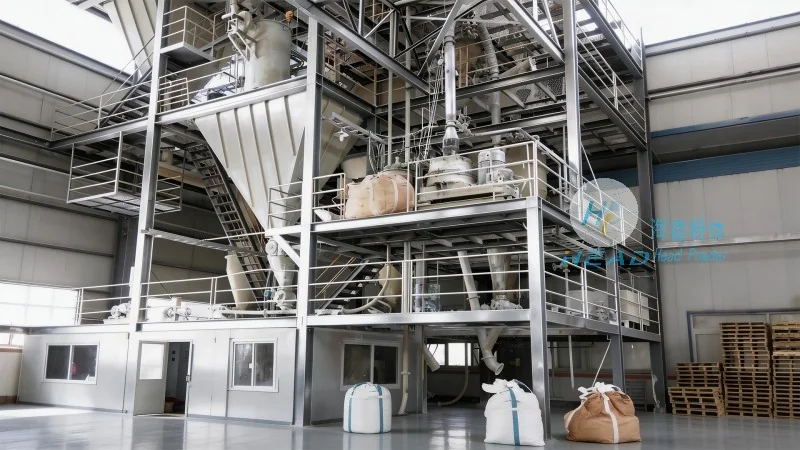
However, there are also considerations to keep in mind when implementing these systems in different working scenes. The choice between pressure and vacuum systems depends on the distance and the specific requirements of the application. For example, long-distance conveying may require a vacuum system due to the higher energy consumption associated with pressure systems. The material of the conveying line is also critical, as it must be resistant to the properties of the cellulose powder, such as moisture or acidity. The system must also be equipped with proper filtration and separation mechanisms to prevent the buildup of powder in the lines and to ensure that the powder is delivered to the correct destination.
Conclusion
In conclusion, cellulose powder pneumatic conveying equipment plays a vital role in modern industrial processes, providing efficient and reliable transportation of fine powders. The principles behind these systems, combined with the specific characteristics of their working scenes, make them suitable for a wide range of applications. As industries continue to demand higher efficiency and quality in their operations, the development of advanced pneumatic conveying systems will remain a key focus. The working scene characteristics, including the industrial application, scale of operation, and environmental factors, must be carefully considered when designing and implementing these systems to ensure optimal performance and product quality.