

Principle and Working Scene Characteristics of Pneumatic Conveying Equipment for Battery Positive El
Efficient and reliable material handling is a critical component in the production of battery positive electrode materials, where the quality and purity of raw powders directly impact the performance of lithium-ion batteries. Among the various conveying methods, pneumatic conveying equipment has emerged as a preferred solution for transporting fine powders, such as those used in lithium cobalt oxide (LCO), lithium nickel manganese cobalt oxide (NMC), and other advanced cathode materials. This article explores the underlying principles of pneumatic conveying systems designed for battery positive electrode material powders and highlights the key characteristics of their operational environments.
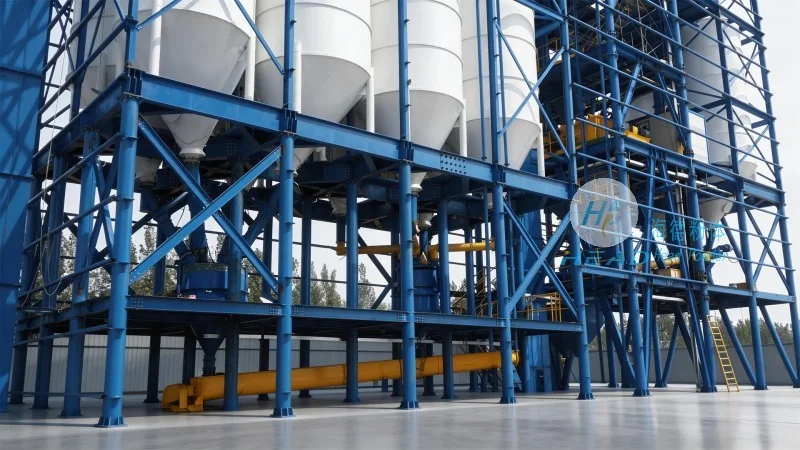
Introduction to Pneumatic Conveying in Battery Material Production
Shandong HeadPowder Engineering Co., Ltd., a leading manufacturer based in Shandong, China, specializes in engineering solutions for powder handling systems tailored to the demands of the battery industry. The company’s expertise lies in designing and manufacturing pneumatic conveying equipment that ensures the safe, efficient, and environmentally friendly transport of sensitive battery materials. For companies operating in the battery positive electrode material sector, understanding the mechanics of pneumatic conveying and its application in real-world production settings is essential for optimizing production lines and maintaining product quality.
The Fundamental Principle of Pneumatic Conveying
Pneumatic conveying, also known as powder pneumatic transport, operates by using compressed air or vacuum to move particulate materials through a pipeline. In the context of battery positive electrode materials, which often consist of fine, high-purity powders with specific particle sizes (typically ranging from sub-micron to a few microns), the choice of conveying method is crucial. Traditional methods like belt conveyors or screw conveyors may cause particle degradation, agglomeration, or contamination due to friction and mechanical contact. Pneumatic systems, however, minimize these risks by utilizing air flow to transport materials without direct physical contact, preserving the integrity of the powder.
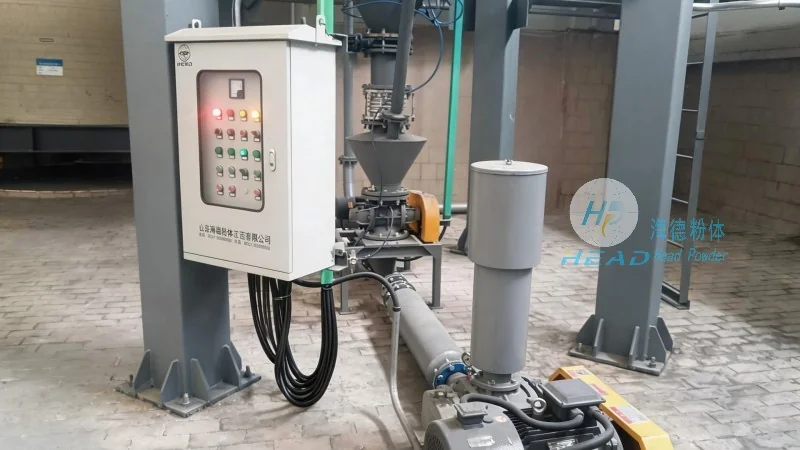
The core principle involves creating a pressure differential between the inlet and outlet of the conveying line. In positive pressure systems, compressed air is introduced at the material inlet, pushing the powder through the pipeline to the discharge point. Negative pressure systems, conversely, use vacuum to draw material from the source into the pipeline. For battery materials, positive pressure systems are commonly preferred due to their ability to handle fine powders and maintain consistent flow rates, while minimizing the risk of dust emissions and ensuring a controlled environment.
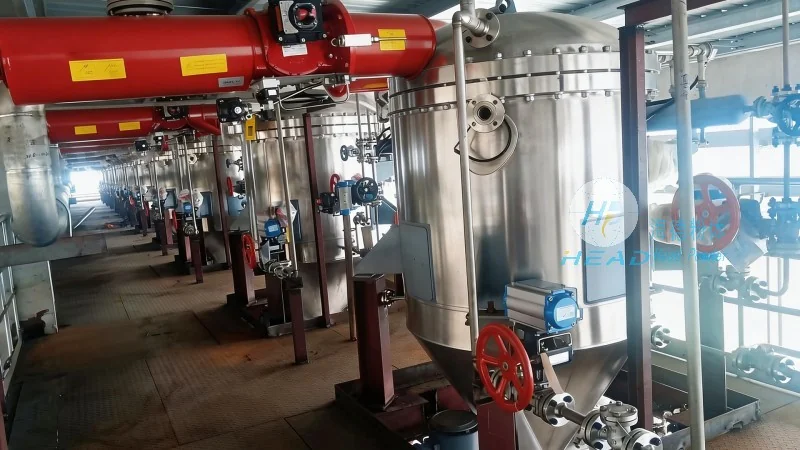
Key Characteristics of Working Scenes for Pneumatic Conveying Equipment
The operational environment of pneumatic conveying equipment for battery positive electrode materials is characterized by several unique factors that influence system design and performance. These include the material's physical properties (e.g., particle size, density, moisture content), the required conveying distance and throughput, and the need for contamination control. Each of these factors dictates the specific configuration of the pneumatic system, including the type of air nozzle, pipeline diameter, and control mechanisms.
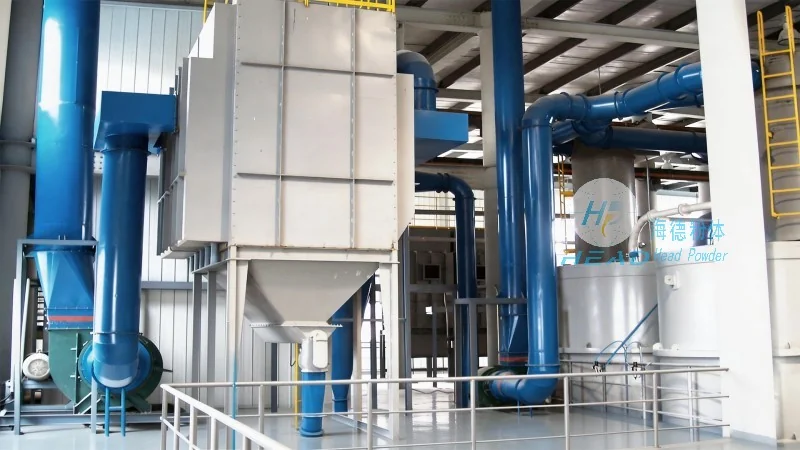
One of the primary advantages of pneumatic conveying in this application is its ability to handle high-purity materials without cross-contamination. The sealed pipeline system prevents exposure to air, moisture, or other external elements that could degrade the material's quality. This is particularly important for battery cathode materials, where even trace impurities can significantly affect battery performance and lifespan. Additionally, pneumatic systems offer flexibility in terms of layout, allowing for horizontal, vertical, or mixed-direction conveying, which is essential for integrating the equipment into existing production lines.
Another critical characteristic is the system's efficiency in terms of energy consumption and material loss. Compared to mechanical conveyors, pneumatic systems can achieve higher throughput with lower energy input, reducing operational costs. The low friction and minimal mechanical contact also result in lower material attrition, ensuring that the powder's particle size distribution remains consistent throughout the conveying process. This consistency is vital for maintaining the desired electrochemical properties of the battery positive electrode.