

Principles and Working Scene Characteristics of Large-Scale Powder Pneumatic Conveying Systems
Large-scale powder pneumatic conveying systems are critical in industrial applications for efficiently transporting bulk powders over long distances. These systems leverage the principles of fluid dynamics to move materials through pipelines using air or other gases. Understanding the underlying mechanisms and operational scenarios is essential for optimizing performance and ensuring reliability in various industrial settings.
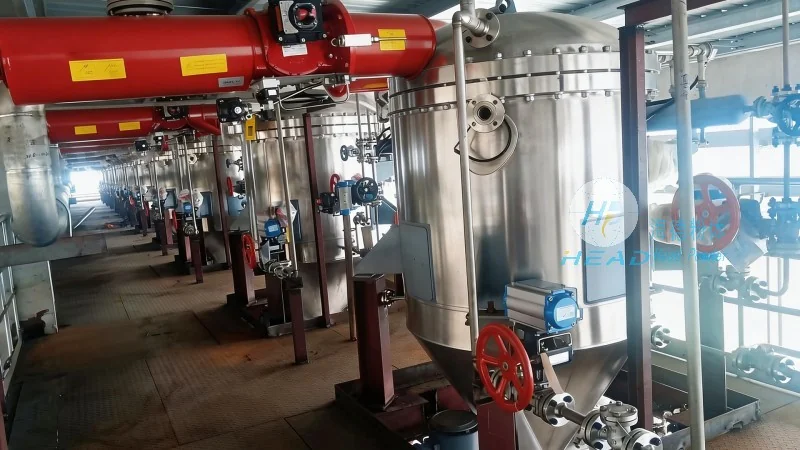
Introduction to Large-Scale Powder Pneumatic Conveying Systems
HeadPowder, a leading provider in the field, specializes in designing and implementing advanced pneumatic conveying solutions tailored to diverse industrial needs. With a focus on innovation and precision engineering, the company's systems are engineered to handle a wide range of powder characteristics, from fine powders to bulk materials, ensuring efficient and cost-effective material transport. The core of these systems lies in the integration of air flow management, material handling, and system control, which collectively determine the system's performance and operational efficiency.
Principles of Pneumatic Conveying
The fundamental principle of pneumatic conveying involves creating a pressure differential or using vacuum to move powders through a pipeline. There are two primary methods: pressure conveying and vacuum conveying. In pressure conveying, compressed air is used to push the material forward, while vacuum conveying uses a vacuum to draw the material into the system. The choice between these methods depends on factors such as the distance to be covered, the material's properties, and the desired flow rate. For large-scale applications, pressure systems are often preferred due to their ability to handle higher capacities and longer distances. The system typically consists of a hopper for material storage, a feeder to control the flow rate, a conveying line, and a receiver for the discharged material. The air flow is regulated by valves and filters to maintain consistent pressure and prevent material degradation or blockages.
Working Scene Characteristics
The operational characteristics of large-scale powder pneumatic conveying systems are influenced by several key factors, including the material's physical properties, the system's design, and the environmental conditions. The material's particle size, density, and flowability are critical parameters that affect the system's performance. For instance, fine powders may require higher air velocities to prevent settling or caking, while bulkier materials can be conveyed at lower velocities with less energy consumption. The system's design, including the pipeline layout, diameter, and bends, also plays a significant role in determining the flow characteristics. Properly designed pipelines minimize pressure losses and reduce the risk of blockages, ensuring smooth and continuous operation. Additionally, environmental factors such as temperature and humidity can impact the material's behavior and the system's efficiency. For example, in humid environments, moisture can cause clumping or agglomeration, which may require additional drying or conditioning steps before conveying.
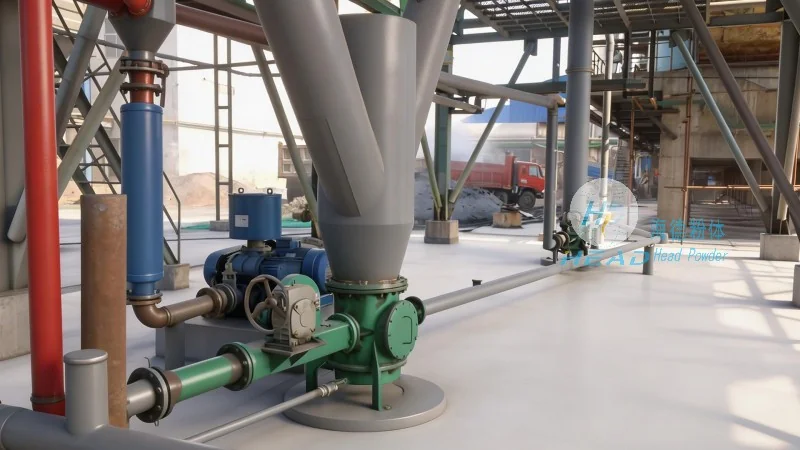
Applications and Industry Use Cases
Large-scale powder pneumatic conveying systems find extensive applications across various industries, including chemical, pharmaceutical, food processing, and mining. In the chemical industry, these systems are used to transport raw materials, intermediates, and finished products, ensuring a seamless supply chain. The pharmaceutical sector relies on such systems for handling sensitive powders, maintaining strict contamination control and hygiene standards. In food processing, the systems are employed to transport ingredients like flour, sugar, and spices, while adhering to food safety regulations. The mining industry utilizes pneumatic conveying for transporting ore and other bulk materials from processing plants to storage or shipping facilities. Each application requires a customized system design to meet specific operational requirements, such as material handling capacity, distance, and environmental constraints. HeadPowder's expertise in tailoring systems to these diverse needs ensures optimal performance and reliability in real-world industrial scenarios.
Advantages and Benefits
Implementing large-scale powder pneumatic conveying systems offers numerous advantages over traditional methods like belt conveyors or bucket elevators. One of the primary benefits is the ability to transport materials in a closed system, which enhances safety by preventing dust emissions and contamination. This is particularly crucial in industries where dust can be hazardous or where product purity is paramount. Additionally, pneumatic conveying systems are more flexible in terms of layout, allowing for vertical and horizontal transport in a single line, which can reduce the overall footprint of the facility. The systems also offer higher throughput and lower energy consumption compared to mechanical conveyors, especially for fine powders. Furthermore, the absence of moving parts in the conveying line minimizes maintenance requirements and reduces downtime, leading to increased operational efficiency. These advantages make pneumatic conveying an attractive solution for large-scale industrial operations seeking to optimize material handling processes.
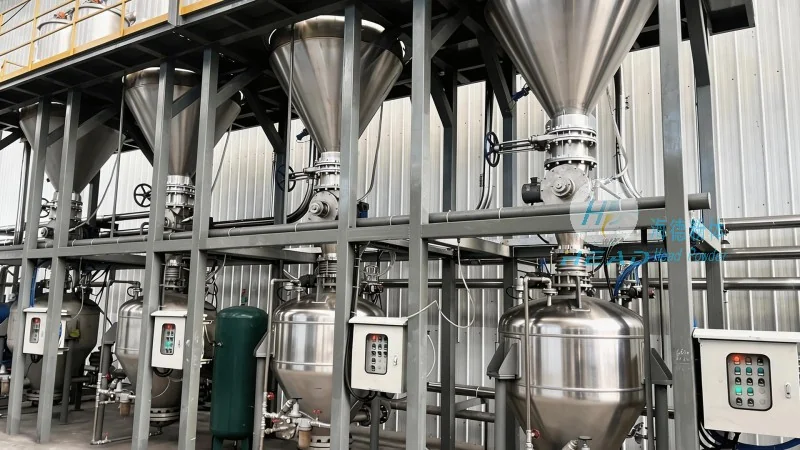
System Design and Customization
HeadPowder's approach to system design emphasizes customization to meet the unique requirements of each client. The company conducts thorough assessments of the material properties, operational parameters, and site conditions to develop a tailored solution. This involves selecting the appropriate conveying method (pressure or vacuum), determining the optimal pipeline diameter and length, and specifying the necessary equipment such as feeders, filters, and receivers. The design process also considers factors like energy efficiency, maintenance ease, and scalability. For large-scale applications, the system may include multiple conveying lines, branching systems, or even integrated storage and processing units. The company's engineers work closely with clients to ensure that the final design aligns with their production goals and operational constraints. This collaborative approach ensures that the system not only meets current needs but also accommodates future expansion or changes in production requirements.
Operational Considerations and Maintenance
Effective operation of large-scale powder pneumatic conveying systems requires careful attention to several operational considerations. Regular monitoring of air pressure, flow rates, and material levels is essential to detect any deviations or potential issues early. The system's control system plays a critical role in maintaining consistent performance and preventing overloading or underloading. Proper maintenance is also crucial to ensure long-term reliability. This includes regular cleaning of filters, inspection of pipelines for blockages or wear, and replacement of worn components. HeadPowder provides comprehensive maintenance services to support clients in keeping their systems in optimal condition. The company's expertise in troubleshooting and repair helps minimize downtime and maximize system uptime. Additionally, training programs for operators and maintenance personnel are offered to enhance their understanding of the system's operation and maintenance procedures, further ensuring the system's efficient and safe operation.
Conclusion
Large-scale powder pneumatic conveying systems, as exemplified by HeadPowder's solutions, represent a sophisticated and efficient approach to material handling in various industrial sectors. By leveraging principles of fluid dynamics and advanced engineering, these systems offer significant advantages in terms of safety, flexibility, and operational efficiency. The working scene characteristics, including material properties and system design, are carefully considered to ensure optimal performance. With a focus on customization and client collaboration, HeadPowder continues to provide reliable and high-performance pneumatic conveying solutions that meet the evolving needs of modern industry. The integration of these systems into industrial processes not only enhances productivity but also contributes to a safer and more sustainable operational environment.