

Principle and Working Scene Characteristics of Powdered Pigment Pneumatic Conveying Systems
HeadPowder, a leading enterprise in the field of powder processing technology, specializes in the design, manufacturing, and application of advanced pneumatic conveying systems tailored for the handling of powdered pigments. With a strong focus on efficiency, reliability, and innovation, the company's solutions are engineered to meet the unique demands of various industrial applications, ensuring optimal performance and safety in material transportation.
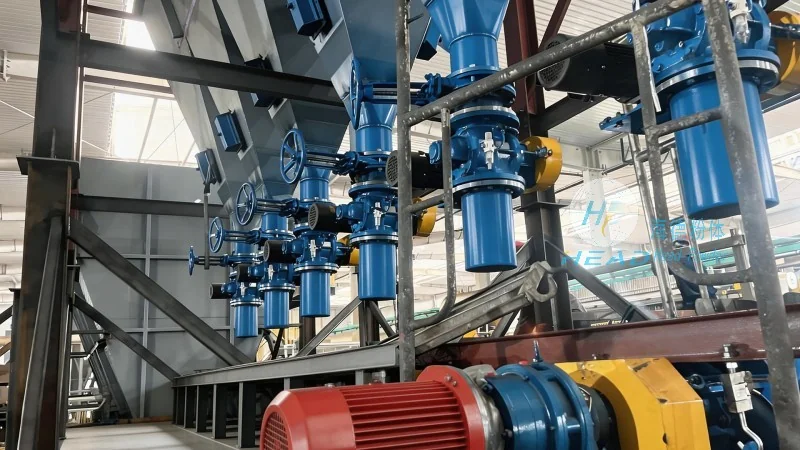
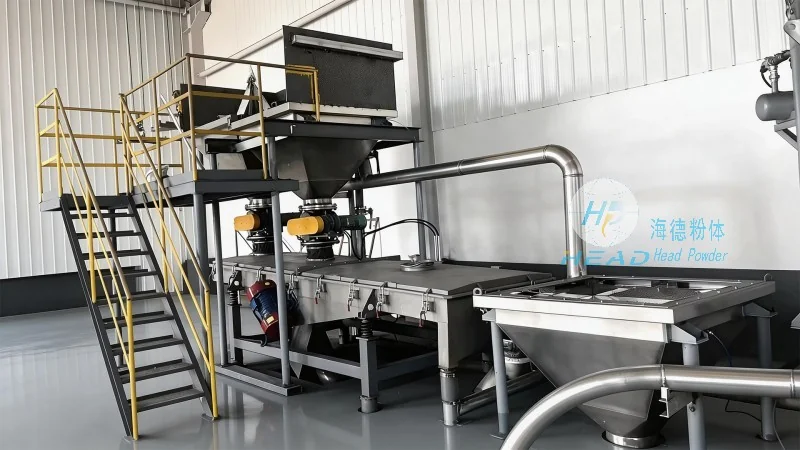
Understanding the Core Principle of Pneumatic Conveying Systems for Pigment Powders
The fundamental principle of a pneumatic conveying system for powdered pigments involves the use of air or gas as the medium to transport solid particles through a pipeline. This method, known as pneumatic conveying, leverages the force of compressed air to move the pigment powder from the source to the destination. The system typically consists of a hopper for material storage, a conveyor line, and a control unit that regulates the air flow and pressure. By creating a consistent airflow, the system ensures that the pigment particles are suspended and transported efficiently, minimizing the risk of clogging and material degradation. The design of the system is crucial, as it must account for the specific properties of the pigment powder, such as particle size, density, and moisture content, to achieve optimal conveying performance.
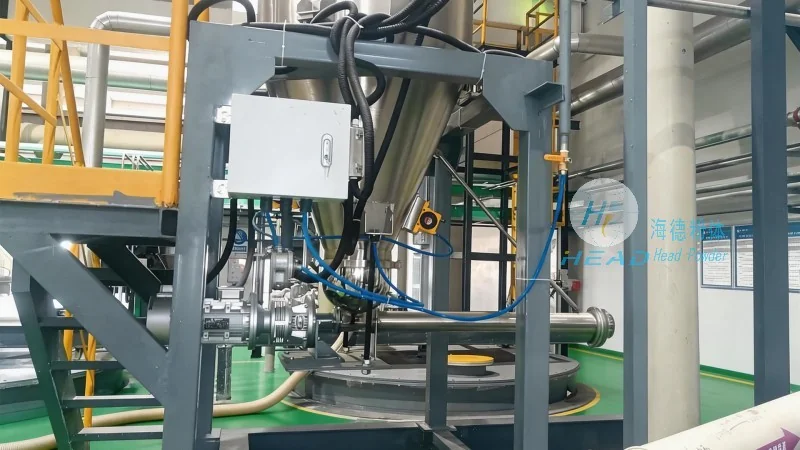
Key Working Scene Characteristics and Applications
The working scene characteristics of pneumatic conveying systems for powdered pigments are tailored to the diverse needs of industrial processes. These systems are commonly employed in scenarios where traditional mechanical conveying methods are unsuitable due to the nature of the material. For instance, in the pigment manufacturing industry, these systems are used to transport raw pigment powders from storage silos to processing equipment, ensuring a continuous and controlled flow of material. In printing and coating applications, the systems facilitate the precise delivery of pigments to mixing and application units, maintaining consistent color quality and reducing waste. Additionally, in chemical and pharmaceutical industries, the systems provide a hygienic and dust-free method for handling sensitive pigment powders, adhering to strict safety and environmental regulations. The versatility of pneumatic conveying systems allows them to adapt to various operational conditions, including high or low temperatures, and different ambient pressures, making them suitable for a wide range of industrial environments.
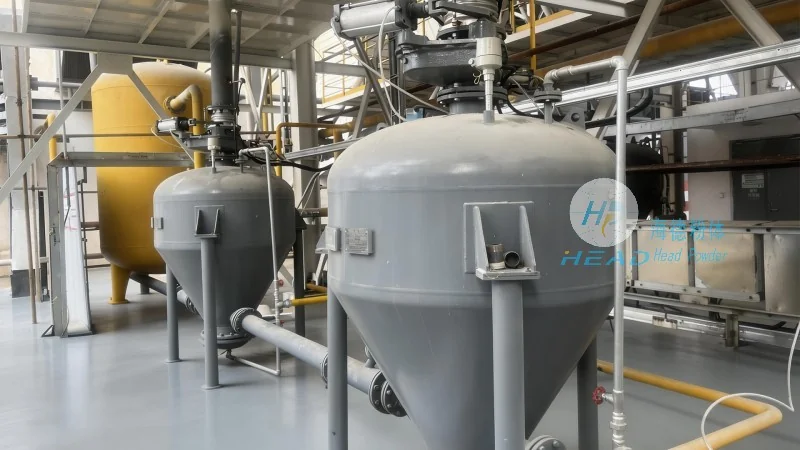
Advantages and Technical Considerations in Pigment Powder Conveying
Implementing a pneumatic conveying system for powdered pigments offers several advantages over traditional methods. One of the primary benefits is the ability to handle materials that are difficult to transport using mechanical means, such as fine powders that tend to clog or agglomerate. The system's design minimizes material contact with surfaces, reducing the risk of contamination and ensuring product purity. Furthermore, pneumatic conveying systems can be integrated with automated control systems, allowing for real-time monitoring and adjustment of conveying parameters, which enhances operational efficiency and reduces downtime. From a technical perspective, the system's performance is influenced by factors such as air velocity, pressure, and pipeline design. Proper selection of these parameters is essential to prevent particle deposition and ensure smooth material flow. HeadPowder's expertise in system design ensures that these technical considerations are addressed effectively, delivering systems that are both reliable and cost-effective.