

Principles and Working Scene Characteristics of Pneumatic Conveying for Ferrous Oxide Powder
Understanding the principles and working characteristics of pneumatic conveying for ferrous oxide powder is crucial for optimizing material handling processes in various industrial applications. Ferrous oxide, commonly known as iron oxide, is a widely used powder in industries such as metallurgy, chemical manufacturing, and pharmaceuticals. The efficient transport of this powder from one location to another is essential for maintaining production efficiency and ensuring product quality. Pneumatic conveying offers a non-contact, flexible, and often cost-effective method for moving bulk powders like ferrous oxide, making it a preferred choice in many industrial settings.
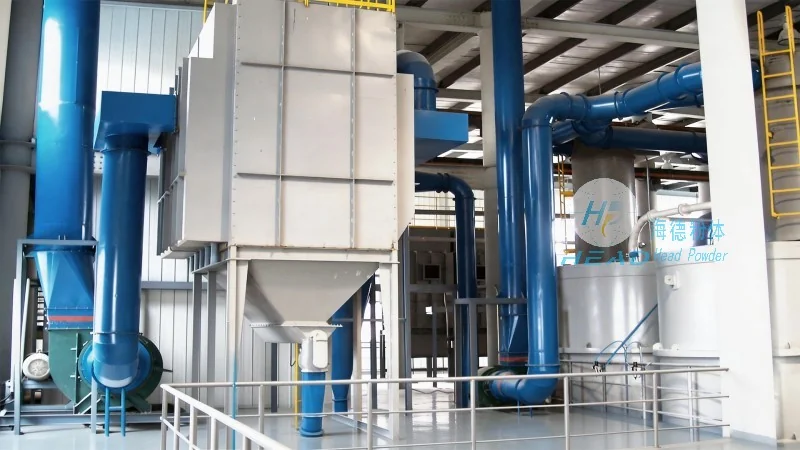
At Shandong HeadPowder Engineering Co., Ltd., we specialize in providing advanced solutions for the handling and transportation of ferrous oxide powder through pneumatic systems. Our expertise lies in designing and implementing systems that leverage the principles of gas-solid flow to achieve reliable and efficient material transport. The core principle of pneumatic conveying involves the use of a gas stream, typically air or a mixture of air and other gases, to transport solid particles. In the case of ferrous oxide powder, the system must be engineered to handle the specific properties of the material, including its density, particle size distribution, and flow characteristics.
The working scene characteristics of pneumatic conveying for ferrous oxide powder are shaped by several key factors. First, the system design must consider the particle size and morphology of the ferrous oxide powder. Fine powders, which are common in many applications, require higher gas velocities to prevent particle deposition and ensure smooth transport. Conversely, coarser particles may be conveyed at lower velocities, reducing energy consumption. The system must also account for the material's density and how it interacts with the conveying air, as this affects the required pressure and flow rates.
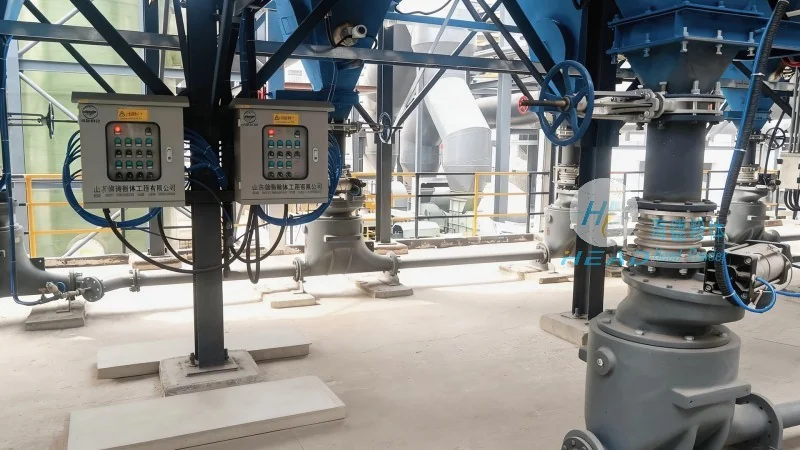
Another critical aspect is the system's configuration, which can vary based on the application requirements. For example, in a manufacturing plant, the pneumatic conveying system might be used to transport ferrous oxide from a storage silo to a processing unit, or from one production line to another. The working scene may involve multiple conveying lines, branching systems, or even vertical lifts, all of which require careful design to maintain consistent flow and prevent blockages. The choice between positive pressure and negative pressure systems also plays a role in the working characteristics, with each having its own advantages and limitations depending on the specific application.
Operational parameters are another key element in the working scene. The pressure and velocity of the conveying air, the size of the conveying lines, and the type of equipment used (such as rotary valves, filters, and cyclones) all contribute to the overall performance of the system. For ferrous oxide powder, the system must be equipped with appropriate filtration and separation equipment to prevent dust accumulation and maintain air quality. This is particularly important in applications where the powder is used in sensitive processes or where environmental regulations require strict control of particulate emissions.
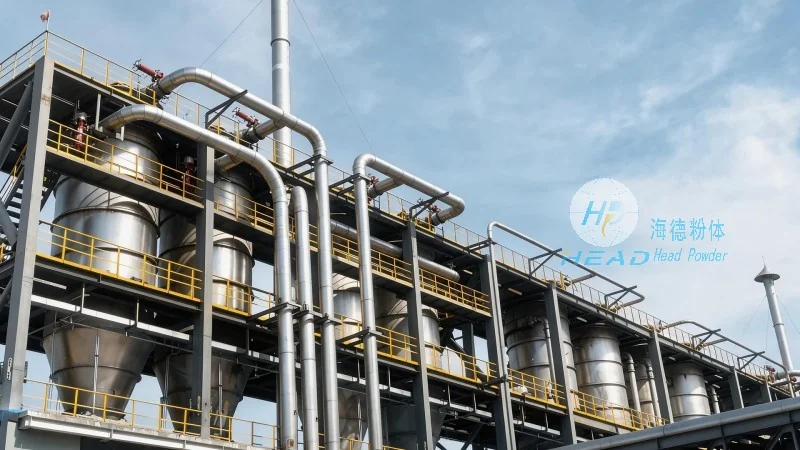
The advantages of pneumatic conveying for ferrous oxide powder extend beyond just efficient transport. The non-contact nature of the process helps maintain the purity of the material, preventing contamination from equipment surfaces or other materials. This is especially critical in pharmaceutical or food processing applications where product quality is paramount. Additionally, pneumatic systems offer flexibility in terms of layout and integration with existing production lines, allowing for easy adaptation to changing production needs.
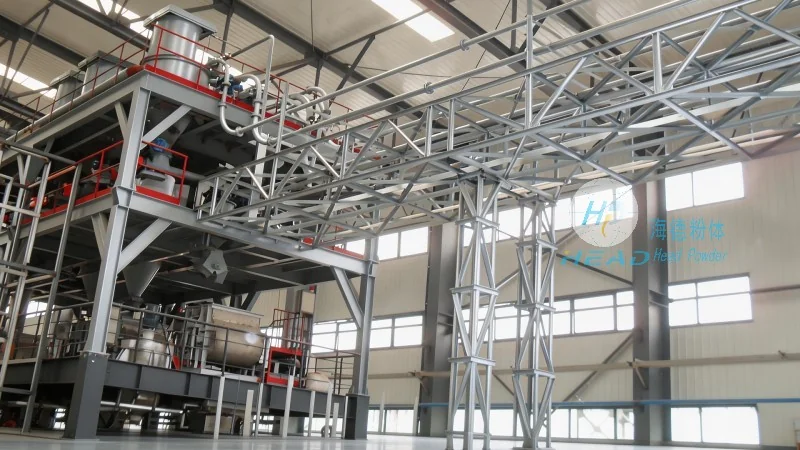
Despite the benefits, the working scene of pneumatic conveying for ferrous oxide powder also presents challenges that must be addressed. One of the main challenges is the potential for particle segregation and agglomeration, which can lead to uneven flow and blockages. To mitigate this, the system may include features such as agitators or vibration devices to keep the powder in a uniform state. Another challenge is the wear and tear on system components due to the abrasive nature of ferrous oxide powder, requiring regular maintenance and replacement of parts to ensure long-term reliability.
In conclusion, the principles and working scene characteristics of pneumatic conveying for ferrous oxide powder are complex and require careful consideration of the material's properties and the specific application requirements. At Shandong HeadPowder Engineering Co., Ltd., we leverage our expertise to design and implement customized pneumatic conveying systems that meet the unique needs of our clients. By understanding the fundamental principles of gas-solid flow and tailoring the system to the specific characteristics of ferrous oxide powder, we help our customers achieve efficient, reliable, and cost-effective material handling solutions.