

Principles and Working Scene Characteristics of Pneumatic Conveying for Denitrification Urea Powder
Denitrification urea, a critical component in industrial processes for reducing nitrogen oxide emissions, often requires efficient and reliable material handling solutions. Pneumatic conveying stands out as a sophisticated method for transporting urea powder, offering advantages in terms of safety, environmental friendliness, and operational efficiency. This article explores the principles underlying this technology and examines the distinct characteristics of its application scenarios, with a focus on the expertise of Shandong HeadPowder Engineering Co., Ltd. (HeadPowder), a leading provider in this field.
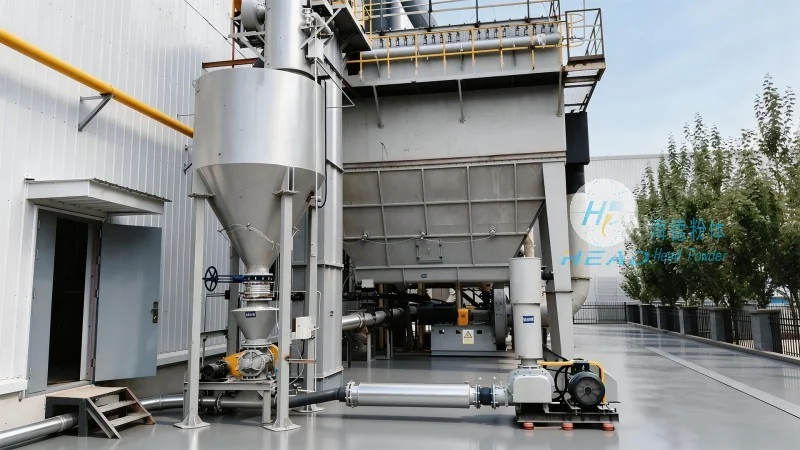
About HeadPowder: A Specialist in Powder Handling Solutions
HeadPowder, headquartered in Shandong, China, is dedicated to advancing the technology of pneumatic conveying systems for various industrial applications. With years of experience and a commitment to innovation, HeadPowder has established itself as a trusted partner for businesses seeking reliable solutions for handling denitrification urea and other fine powders. The company’s expertise lies in designing, manufacturing, and implementing customized pneumatic conveying systems that meet the specific demands of industrial processes, ensuring optimal performance and durability.
The Principles of Pneumatic Conveying for Denitrification Urea Powder
Pneumatic conveying operates by transporting solid particles, such as denitrification urea, through a pipeline using a gas stream, typically air or other gases. The system can be categorized into two main types: positive pressure (pressure) and negative pressure (vacuum) systems. In positive pressure systems, air is forced into the conveying line at a pressure higher than the ambient, propelling the powder forward. Conversely, negative pressure systems create a vacuum in the line, drawing the powder into the system. For denitrification urea, which is a fine, potentially hygroscopic powder, the choice of system depends on factors like the distance to be covered, the required flow rate, and the need to minimize product degradation. The core principle involves creating a consistent flow of gas that entrains the powder particles, maintaining them in suspension to prevent blockages and ensure smooth transport.
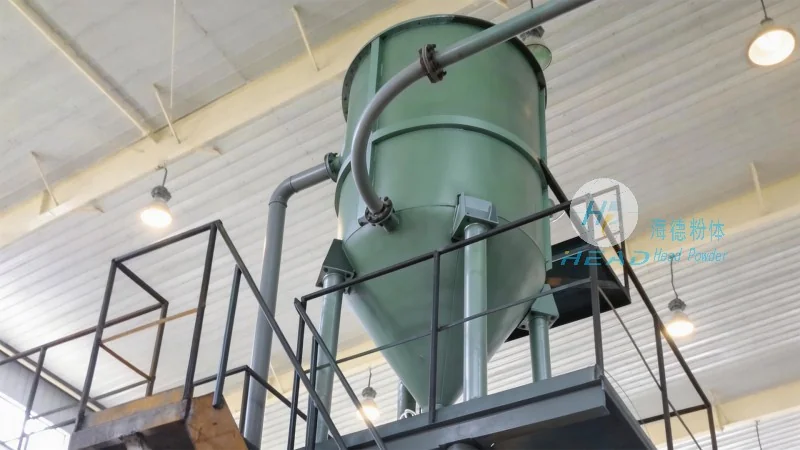
Working Scene Characteristics: Applications and Operational Considerations
The application scenarios for pneumatic conveying of denitrification urea vary widely across different industrial sectors. In power plants, for instance, where denitrification urea is used in selective catalytic reduction (SCR) systems to reduce nitrogen oxides (NOx) emissions, the conveying system must be integrated seamlessly with the existing infrastructure. Key characteristics of these working scenes include high flow rates, the need for precise dosing, and the requirement for minimal product loss or contamination. Another common scenario is in chemical manufacturing facilities, where denitrification urea is processed as an intermediate or end product, and the conveying system must handle varying particle sizes and moisture content. The characteristics of these scenarios often dictate the design of the conveying line, including the type of ducting, the number of bends, and the use of special components like cyclones or filters to separate the powder from the gas stream. Additionally, the operational environment, such as temperature and humidity, plays a critical role in determining the suitability of a particular pneumatic conveying system for denitrification urea.
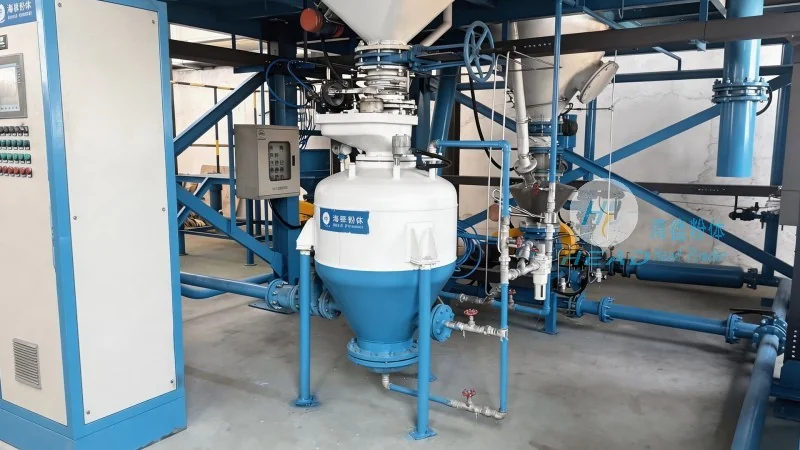
Advantages of Pneumatic Conveying for Denitrification Urea Powder
Implementing pneumatic conveying for denitrification urea offers several significant advantages over traditional methods like bucket elevators or screw conveyors. One of the primary benefits is the enhanced safety and environmental protection. Since the powder is transported within a closed system, there is no risk of dust dispersion into the atmosphere, reducing the potential for respiratory hazards and environmental contamination. This is particularly important for denitrification urea, which, if not handled properly, can release fine particles that may affect air quality. Another advantage is the improved efficiency and reliability. Pneumatic conveying systems can achieve high flow rates with minimal energy consumption, and they are less prone to clogging or blockages compared to mechanical systems. This leads to higher throughput and lower maintenance costs over time. Furthermore, the flexibility of pneumatic conveying allows for easy integration with other process equipment, such as storage silos, mixers, and reactors, enabling a more streamlined and automated production line. For denitrification urea, which is often used in large-scale industrial processes, these advantages translate into significant operational benefits and cost savings.
Conclusion: The Role of HeadPowder in Advancing Pneumatic Conveying Technology
As the demand for efficient and sustainable industrial processes grows, the importance of reliable material handling solutions like pneumatic conveying for denitrification urea becomes increasingly evident. Shandong HeadPowder Engineering Co., Ltd. (HeadPowder) plays a vital role in this advancement, providing tailored solutions that address the unique challenges of transporting denitrification urea powder. By leveraging its expertise in system design, manufacturing, and implementation, HeadPowder helps industrial clients optimize their operations, enhance safety, and reduce environmental impact. The principles and characteristics of pneumatic conveying, as discussed, highlight the technology’s suitability for denitrification urea applications, while HeadPowder’s commitment to quality and innovation ensures that clients receive systems that meet the highest standards of performance and reliability. In conclusion, pneumatic conveying remains a key technology for handling denitrification urea, and with partners like HeadPowder, industries can achieve efficient, safe, and sustainable material transport solutions.