

Principle and Working Scene Characteristics of Ternary Material Material Handling System Equipment
Ternary materials, especially in the context of lithium-ion battery cathodes, play a pivotal role in modern energy storage technologies. The efficient and reliable handling of these materials is essential to the battery production process, as any inefficiency can result in increased costs and compromised product quality. This article delves into the principles and operational characteristics of specialized material handling systems engineered for ternary material processing, highlighting the technology behind these systems and the specific scenarios where they excel.
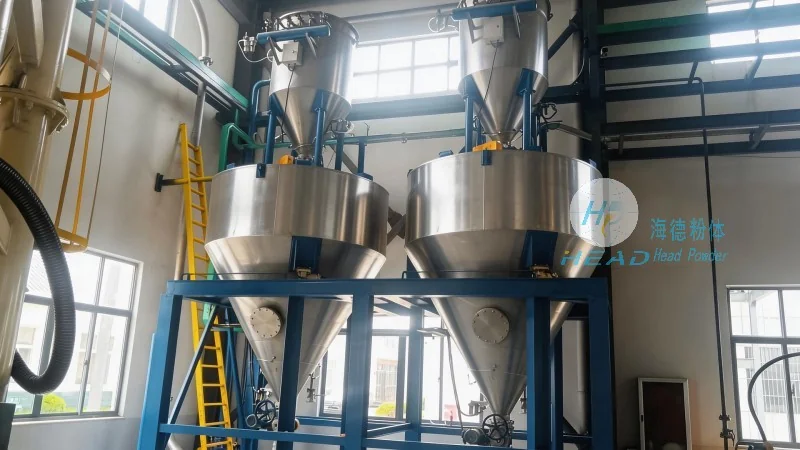
About HeadPowder Engineering
HeadPowder, formally known as Shandong HeadPowder Engineering Co., Ltd., is a leading manufacturer based in Shandong, China. Specializing in engineering solutions for material handling and processing, the company has developed expertise in designing equipment tailored to the unique demands of the lithium-ion battery industry. Their systems are engineered to meet stringent quality and performance standards, ensuring precision, durability, and high efficiency in demanding production environments.
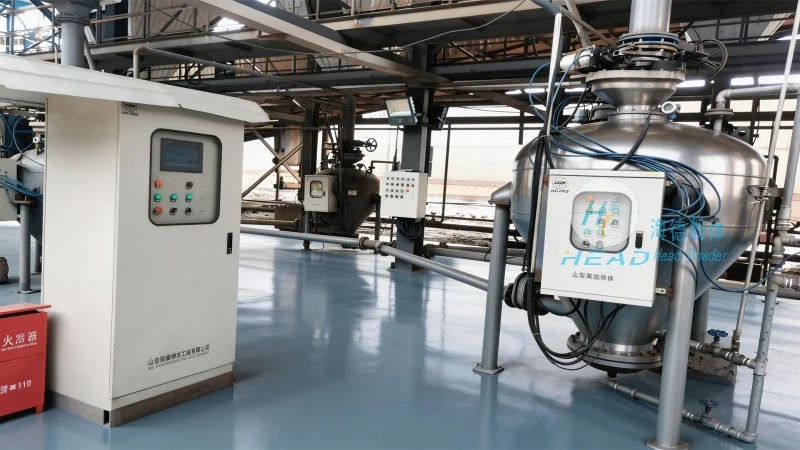
Principle of Ternary Material Material Handling Equipment
The core of ternary material handling systems lies in their integrated design, which combines advanced material handling technologies with sophisticated control mechanisms. These systems typically incorporate components such as conveyor belts, automated feeding mechanisms, and precise sorting systems. The equipment is designed to handle the delicate nature of ternary materials, minimizing the risk of contamination or damage during transport. Advanced sensors and control systems enable real-time monitoring of the material flow, allowing for immediate adjustments to maintain optimal processing conditions. The integration of these technologies ensures that the material is moved efficiently from one stage of production to the next, while preserving the required purity and consistency.
Working Scene Characteristics and Applications
The operational characteristics of ternary material handling systems are tailored to the specific needs of various production environments. In battery manufacturing plants, these systems are commonly utilized in the cathode material preparation stage, where the ternary material is mixed with other components and then transported to the coating or slurry preparation areas. The systems are designed to handle high volumes of material while maintaining a high level of accuracy, which is crucial for achieving consistent battery performance. Additionally, the equipment is often integrated with other production lines, enabling seamless material transfer and reducing downtime. The adaptability of these systems makes them suitable for both large-scale industrial production and smaller-scale laboratory applications, providing flexibility to meet the diverse needs of different clients.
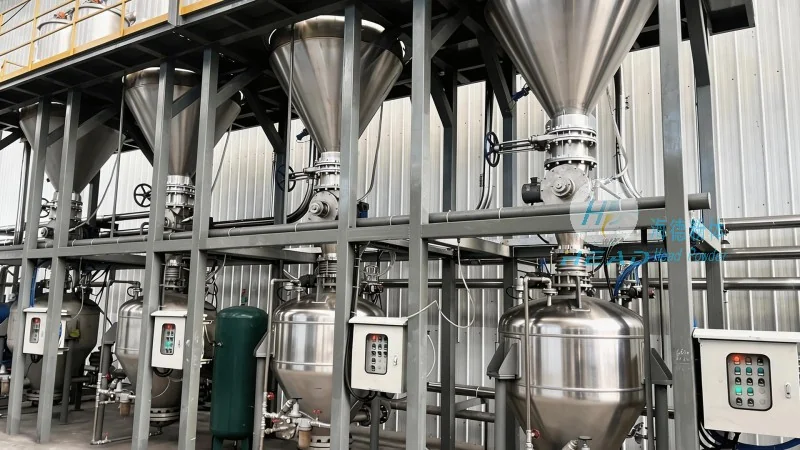
Key Advantages and Industry Impact
The use of specialized ternary material handling systems offers several key advantages. Firstly, they enhance production efficiency by streamlining the material flow and reducing manual handling, leading to faster processing times and lower labor costs. Secondly, the precision and control provided by these systems improve product quality, as the material is handled with minimal risk of contamination or degradation. This contributes to higher battery performance and longer lifespan. Lastly, the durability and reliability of the equipment ensure consistent operation over extended periods, minimizing maintenance requirements and downtime. For companies operating in the lithium-ion battery industry, investing in such systems is a strategic move to enhance competitiveness and meet the growing demand for high-performance energy storage solutions.