

Principle and Working Scene Characteristics of Rice Husk Powder Material Conveying Lines
Rice husk powder, a byproduct of rice processing, is widely utilized across various industries including power generation, animal feed production, and chemical manufacturing. Efficient and reliable material conveying systems are essential for handling this fine powder to ensure seamless production workflows. This article delves into the fundamental principles of rice husk powder material conveying lines and highlights the key working scene characteristics that define their effectiveness in industrial applications.
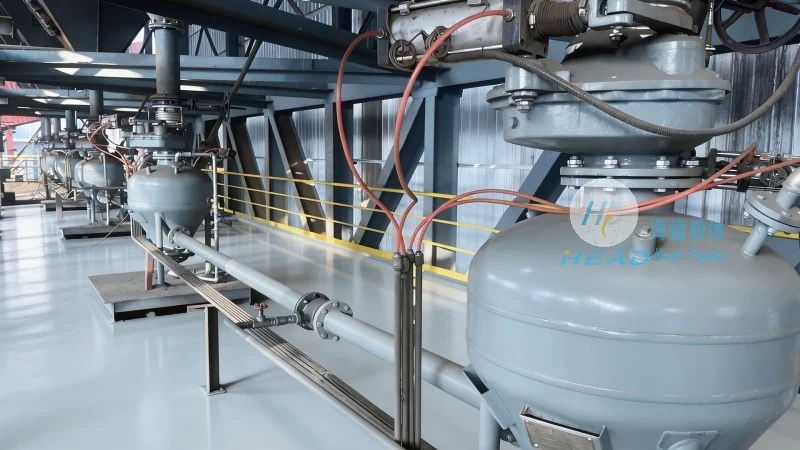
Core Principles of Material Conveying Systems
The operation of rice husk powder material conveying lines is grounded in several core principles that ensure safe and efficient transport of the material. These principles encompass gravitational flow, mechanical drive, and pneumatic transport, each tailored to the specific physical properties of rice husk powder. Gravitational flow systems leverage the natural descent of the powder under gravity, making them suitable for short vertical or inclined conveyors. Mechanical drive systems employ motors and belts or chains to move the material, offering greater control over speed and direction. Pneumatic transport systems utilize air pressure to push or pull the powder through pipes, which is ideal for long horizontal or complex route conveyors. Each principle addresses different operational needs, ensuring optimal performance based on the application requirements.
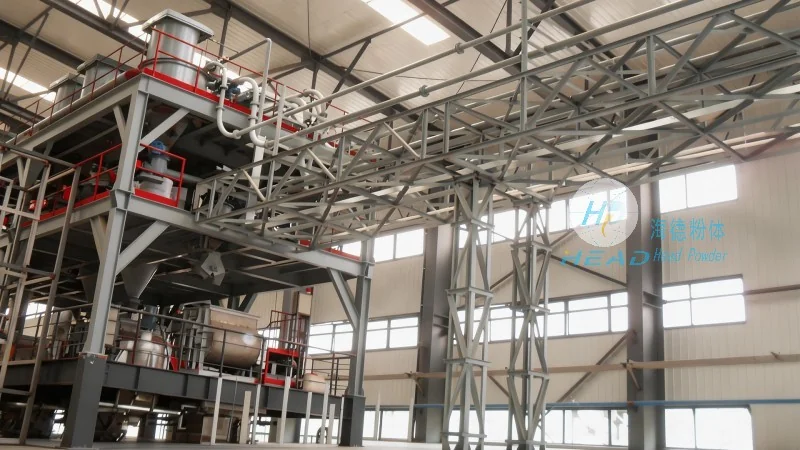
Working Scene Characteristics of Conveying Lines
The working scene characteristics of rice husk powder material conveying lines are shaped by factors such as the material's physical properties, production environment, and required conveying capacity. The fine nature of rice husk powder predisposes it to dust generation and clogging, necessitating specialized equipment like dust collectors and anti-clogging valves. Additionally, the conveying lines must accommodate variations in material moisture content and bulk density, as these factors influence flow characteristics and system performance. In industrial settings, the layout of the conveying line is often integrated with other processing equipment, such as grinding mills or storage silos, to create a seamless material flow from raw material intake to final product output. This integration enhances overall operational efficiency and minimizes material handling bottlenecks.
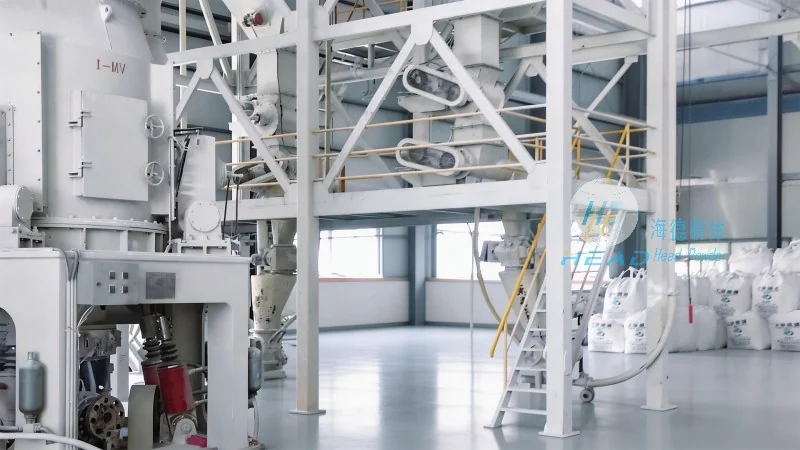
Application Scenarios and Industry Use Cases
Rice husk powder material conveying lines find widespread application across multiple industrial sectors. In the power generation industry, these systems transport rice husk powder from storage silos to biomass boilers, where it serves as a renewable fuel source. The high calorific value of rice husk makes it an attractive alternative to traditional fossil fuels, and efficient conveying ensures consistent fuel supply to the boilers. In the animal feed industry, the conveying lines move rice husk powder to feed mills, where it is mixed with other ingredients to produce animal feed. The fine powder form enhances feed digestibility, improving animal health and growth rates. Furthermore, in the chemical industry, rice husk powder is used as a raw material for producing biochar and other value-added products. The conveying lines facilitate transport to processing units, where further treatment extracts valuable chemicals from the material.
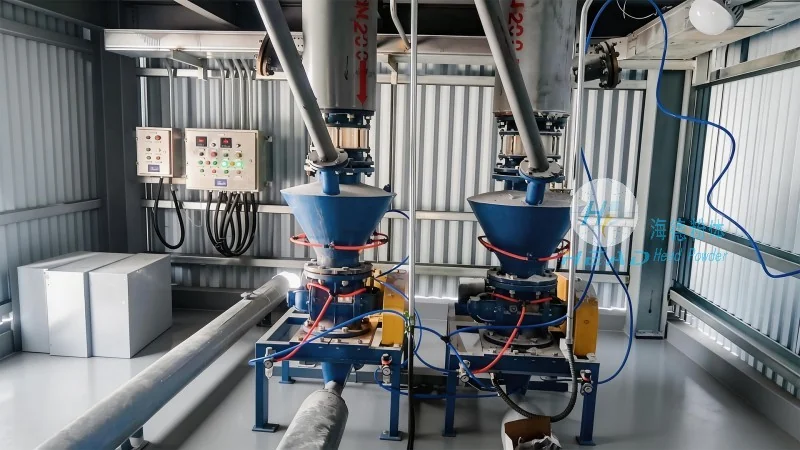
Key Features and Advantages of the Conveying Lines
Modern rice husk powder material conveying lines are equipped with several key features that enhance performance and reliability. These features include adjustable speed control, allowing operators to optimize conveying rates based on production demands. The use of high-quality materials, such as stainless steel and food-grade plastics, ensures corrosion and wear resistance, extending service life. Integration of sensors and monitoring systems enables real-time tracking of material flow and system performance, supporting timely maintenance and troubleshooting. Compact designs of some conveying lines are suitable for installation in limited spaces, beneficial for existing industrial facilities with space constraints. These features collectively contribute to improved operational efficiency and reduced maintenance costs.