

Principles and Application Characteristics of Stearic Acid Sodium Powder Conveying
Stearic acid sodium powder conveying is a critical process in various industrial applications, involving the efficient transport of stearic acid sodium powder from one location to another. Understanding the underlying principles and the specific characteristics of different working scenarios is essential for optimizing operational efficiency and ensuring product quality. This article provides an in-depth exploration of the principles governing stearic acid sodium powder conveying and highlights key features of typical working scenarios.
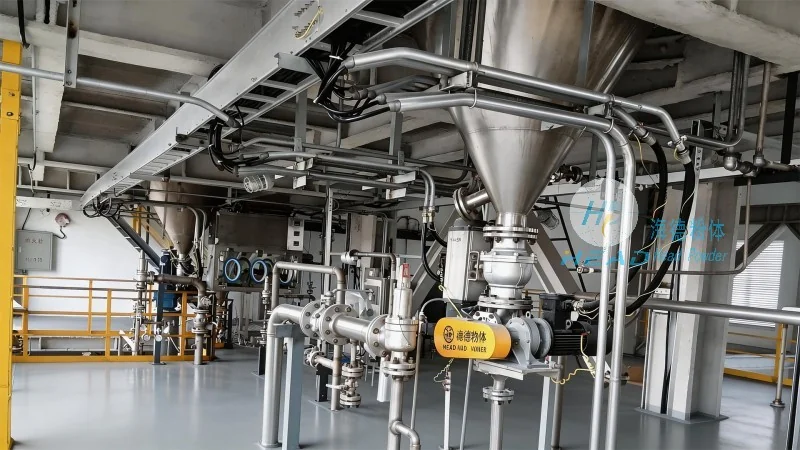
Introduction to Stearic Acid Sodium Powder Conveying
Stearic acid sodium, a widely used chemical compound in industries such as food processing, pharmaceuticals, and cosmetics, often requires precise and reliable conveying systems to maintain its physical properties and prevent degradation. The process of stearic acid sodium powder conveying involves moving the powder through pipelines, hoppers, or other equipment while minimizing issues like caking, segregation, or dust generation. Effective conveying solutions are tailored to the unique characteristics of the powder, including its particle size, moisture content, and flowability. Companies like Shandong HeadPowder Engineering Co., Ltd., commonly referred to as HeadPowder, specialize in designing and implementing advanced powder conveying systems that address these challenges.
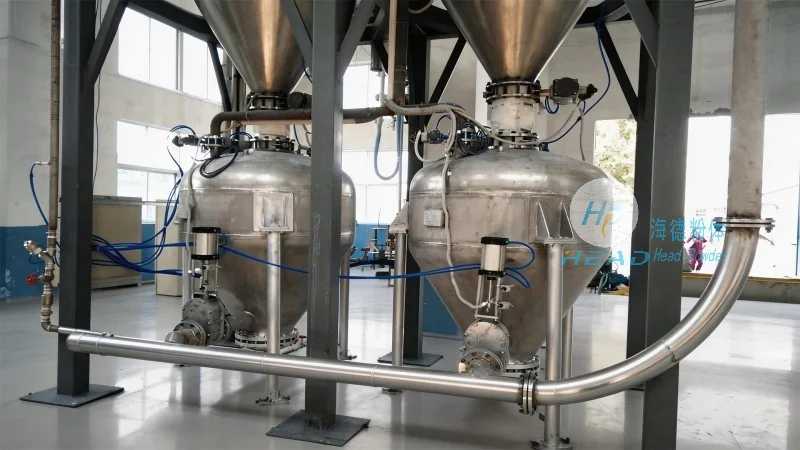
Core Principles of Stearic Acid Sodium Powder Conveying
The fundamental principles of stearic acid sodium powder conveying revolve around maintaining the integrity of the powder and ensuring smooth, unobstructed flow. Key factors include the selection of appropriate equipment, proper system design, and effective control mechanisms. For instance, the use of screw conveyors or pneumatic conveying systems can be optimized based on the powder's bulk density and particle size distribution. In screw conveyors, the rotation of the screw imparts motion to the powder, while the design of the screw flights and trough dimensions influences the conveying rate and pressure drop. Pneumatic conveying systems, on the other hand, utilize air or gas to transport the powder, offering advantages in handling fine powders and preventing product contamination. The choice between these systems depends on factors such as the distance to be covered, the required conveying capacity, and the need to maintain product temperature or prevent oxidation.
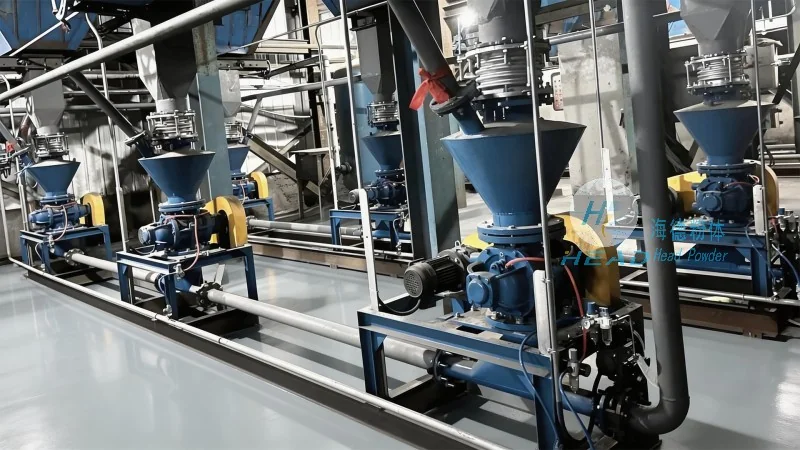
Working Scene Characteristics of Stearic Acid Sodium Powder Conveying
Different industrial settings present distinct challenges and opportunities for stearic acid sodium powder conveying. Understanding these characteristics is crucial for selecting the most suitable conveying method and equipment. For example, in food processing facilities, conveying systems must comply with stringent hygiene standards and avoid cross-contamination. This often involves the use of stainless steel components, sealed systems, and easy-to-clean designs. In contrast, in chemical manufacturing plants, the focus may be on maintaining precise temperature control and preventing dust explosions, requiring explosion-proof equipment and proper ventilation. Pharmaceutical applications demand even higher levels of purity and sterility, necessitating sterile conveying systems and rigorous cleaning protocols. The working scene characteristics also include the scale of operation, with large-scale industrial plants requiring high-capacity conveying solutions, while smaller-scale operations may opt for more compact and flexible systems. Additionally, the integration of conveying systems with other processing equipment, such as mixers, dryers, or packaging units, is a critical aspect of working scenarios, as it affects overall production efficiency and workflow coordination.
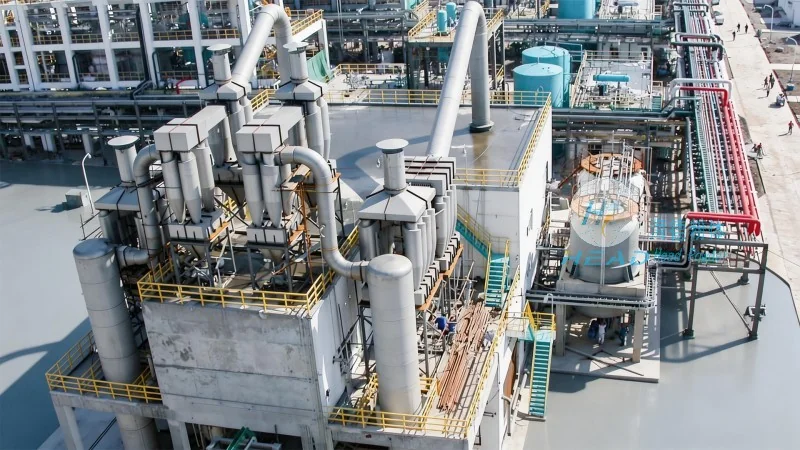
HeadPowder's Expertise in Stearic Acid Sodium Powder Conveying
Shandong HeadPowder Engineering Co., Ltd., a leading provider of powder handling solutions, leverages its extensive experience and technical expertise to address the diverse needs of stearic acid sodium powder conveying. The company specializes in customizing conveying systems that meet specific operational requirements, ensuring optimal performance and reliability. HeadPowder's team of engineers and technicians work closely with clients to assess their unique challenges, such as material properties, production volumes, and environmental constraints, and develop tailored solutions. The company's approach includes thorough material testing, system simulation, and on-site installation and commissioning to ensure that the conveying system operates efficiently and meets all safety and regulatory standards. With a focus on innovation and quality, HeadPowder provides comprehensive support throughout the entire project lifecycle, from initial design to long-term maintenance and troubleshooting. The company's commitment to customer satisfaction and product excellence has established it as a trusted partner in the industry for stearic acid sodium powder conveying applications.