

Principles and Working Scene Characteristics of Tailings Powder Slurry Transportation
Tailings, the fine-grained solid residues left after mineral processing, present unique challenges in handling and transportation. The efficient transport of these tailings powder slurries is crucial for industrial operations, especially in mining and metallurgical sectors. This article explores the fundamental principles governing the transportation of tailings powder slurries and highlights the key characteristics of different working scenarios where such systems are applied.
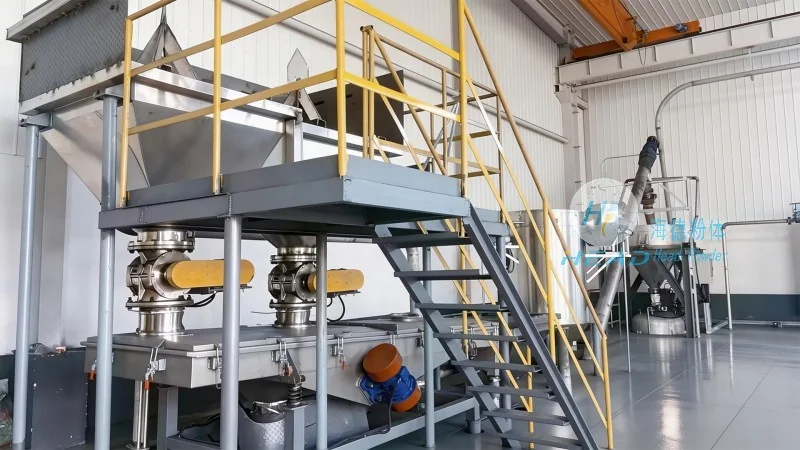
About HeadPowder: A Leading Provider in Powder Slurry Transport Solutions
HeadPowder, formally known as Shandong HeadPowder Engineering Co., Ltd., is a prominent company based in Shandong, China. With a strong focus on engineering excellence and innovative solutions, HeadPowder specializes in the design, manufacturing, and implementation of advanced systems for the transportation of tailings and other fine powder slurries. The company's expertise lies in understanding the complex behavior of tailings materials and developing tailored transport solutions that ensure safety, efficiency, and environmental compliance.
Principles of Tailings Powder Slurry Transportation
The transportation of tailings powder slurries typically involves the movement of a mixture of fine particles suspended in a liquid medium. The core principles of this process revolve around maintaining the stability of the slurry, controlling flow rates, and ensuring minimal degradation of the tailings material. Key factors include the rheological properties of the slurry—such as viscosity, density, and shear-thinning behavior—which directly impact the selection of transport equipment and system design. Additionally, the principle of energy conservation is critical: efficient systems minimize energy consumption while maximizing throughput, reducing operational costs and environmental impact.
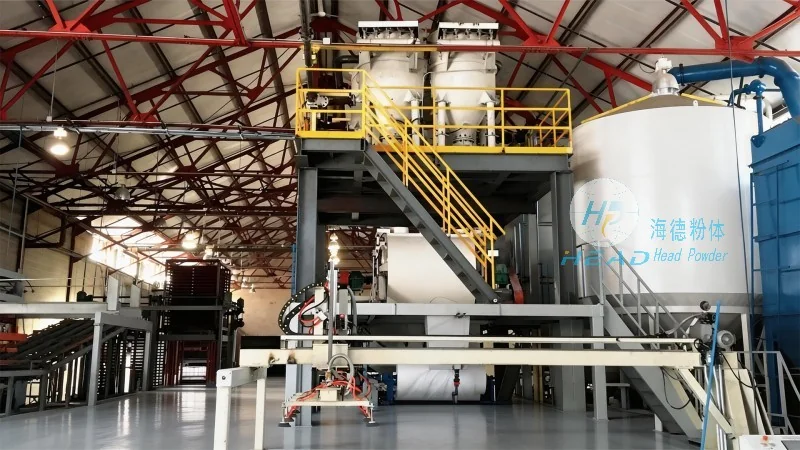
Working Scene Characteristics: Application Scenarios
The working characteristics of tailings powder slurry transportation systems vary significantly based on the specific application and operational environment. Here are some common scenarios where such systems are utilized:
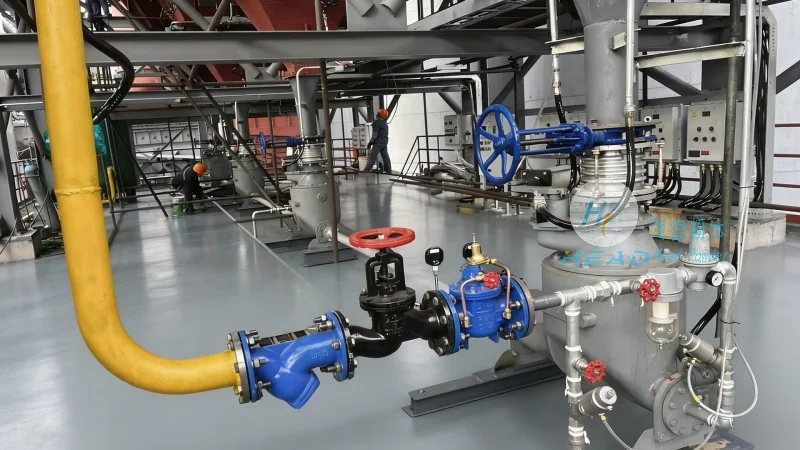
- Underground Mining Operations: In underground mines, tailings are often transported from processing plants to storage facilities or disposal sites. The systems in this scenario must be robust enough to handle the harsh underground conditions, including high humidity, temperature fluctuations, and potential exposure to gases. The design typically involves long-distance pipelines, often using pressure-driven systems like slurry pumps and high-pressure pipelines to ensure reliable transport over considerable distances.
- Surface Processing Plants: At surface processing facilities, tailings are transported from the processing units to tailings dams or reclamation areas. The working environment here is more controlled, with systems designed to handle larger volumes of slurry. The focus is on scalability and integration with existing plant infrastructure. The systems may include large-diameter pipelines, gravity-fed or pump-driven configurations, and advanced control systems to optimize flow and prevent blockages.
- Environmental Remediation Projects: In projects aimed at cleaning up contaminated sites or managing tailings for reclamation, the transportation of tailings powder slurries is often part of a broader environmental management strategy. The systems in this scenario prioritize safety and environmental protection, with features such as leak detection, flow monitoring, and compliance with regulatory standards. The design may incorporate specialized equipment to handle hazardous or contaminated materials, ensuring that the transport process does not exacerbate environmental issues.
Key Features and Advantages of Tailings Powder Slurry Transport Systems
Modern tailings powder slurry transport systems offer several advantages that enhance operational efficiency and sustainability. These include:
- Efficient Material Handling: Advanced systems can handle high volumes of tailings with minimal downtime, ensuring continuous operation and maximizing production output.
- Reduced Environmental Impact: By transporting tailings in a controlled manner, these systems minimize the risk of spills or uncontrolled release, reducing the environmental footprint of mining operations.
- Cost-Effective Solutions: Optimized system design and energy-efficient components lower operational costs over the long term, providing a competitive advantage for mining and processing companies.
- Enhanced Safety: Integrated monitoring and control systems improve safety for personnel by detecting anomalies and preventing accidents, such as pipeline blockages or equipment failures.
Conclusion
Tailings powder slurry transportation is a critical aspect of modern mining and mineral processing operations. Understanding the principles behind these systems and the characteristics of different working scenarios is essential for selecting the most appropriate technology and ensuring successful implementation. Companies like HeadPowder play a vital role in providing tailored solutions that meet the unique challenges of each application, contributing to more efficient, sustainable, and safe industrial practices.