

Principles and Application Scenarios of Dry Yeast Powder Conveying
HeadPowder, a leading provider of industrial powder handling solutions, specializes in the design and implementation of efficient dry yeast powder conveying systems. This article explores the fundamental principles behind dry yeast powder conveying and highlights key operational characteristics across various application scenarios.
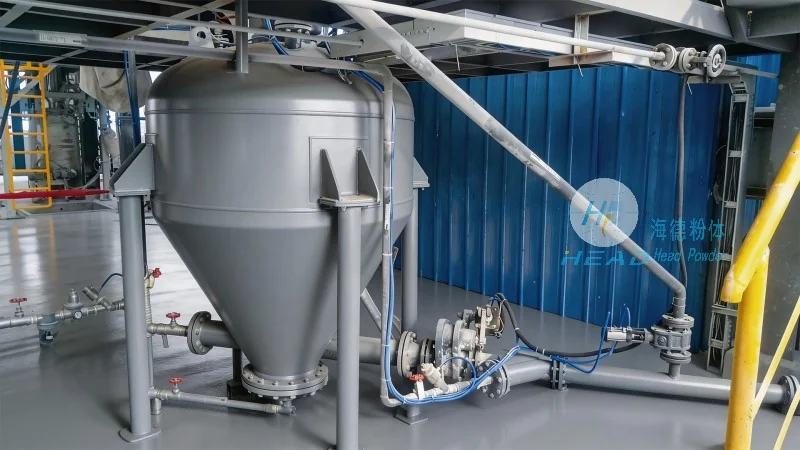
Understanding the Core Principles of Dry Yeast Powder Conveying
Dry yeast powder conveying involves the movement of yeast particles from a storage or processing point to a destination, such as a fermentation tank or packaging line. The process relies on mechanical or pneumatic systems to ensure consistent and reliable transport. Key principles include maintaining particle integrity, controlling flow rates, and minimizing product degradation during transit. These principles are critical for preserving the quality and efficacy of yeast, which is essential in food and beverage production.
Key Operational Characteristics of Dry Yeast Powder Conveying Systems
Efficient dry yeast powder conveying systems exhibit several distinct operational characteristics that contribute to their effectiveness. These include precise control over conveying speed, the ability to handle varying particle sizes and moisture content, and the maintenance of a clean and hygienic environment. Advanced systems often incorporate features like air filtration, particle separation, and temperature regulation to ensure optimal performance. Such characteristics are vital for industries where yeast quality directly impacts product outcomes, such as brewing, baking, and pharmaceutical manufacturing.

Application Scenarios in the Food and Beverage Industry
Dry yeast powder conveying plays a pivotal role in the food and beverage sector, particularly in breweries and bakeries. In breweries, conveying systems are used to transport yeast from storage silos to fermentation vessels, ensuring a steady supply for large-scale beer production. The systems must handle high volumes of yeast while maintaining the delicate balance required for fermentation. In bakeries, similar conveying mechanisms are employed to deliver yeast to mixing and dough preparation areas, supporting consistent baking results. These applications demand systems that are robust, hygienic, and capable of handling the specific requirements of yeast handling in food processing environments.

Industrial and Pharmaceutical Applications
Beyond the food and beverage industry, dry yeast powder conveying is also utilized in industrial and pharmaceutical settings. In the pharmaceutical sector, conveying systems are employed to transport yeast used in the production of enzymes, vitamins, and other bioactive compounds. The systems must adhere to stringent regulatory standards, ensuring that the yeast remains sterile and free from contaminants. In industrial applications, such as biotechnology and chemical processing, conveying systems facilitate the movement of yeast for large-scale fermentation processes, supporting the production of biofuels, organic acids, and other industrial products. These applications highlight the versatility of dry yeast powder conveying across diverse industries.
Conclusion: The Importance of Reliable Dry Yeast Powder Conveying
Reliable dry yeast powder conveying is indispensable for maintaining the quality and efficiency of yeast-based processes. By adhering to fundamental principles and leveraging advanced operational characteristics, companies can ensure consistent performance across various application scenarios. HeadPowder, with its expertise in industrial powder handling, offers tailored solutions that meet the specific needs of clients, supporting their operational goals while upholding the highest standards of product integrity. The continued advancement of conveying technologies ensures that dry yeast powder handling remains a critical and effective component of modern industrial operations.