

Working Principle and Features of Inorganic Salt Material Pneumatic Conveying Lines
Shandong HeadPowder Engineering Co., Ltd., a professional manufacturer based in China, specializes in the design, production, and installation of advanced pneumatic conveying systems for various industrial applications. With a focus on efficiency and reliability, the company has established itself as a leading provider of solutions tailored to the unique needs of the inorganic salt industry.
Working Principle of Inorganic Salt Pneumatic Conveying Lines
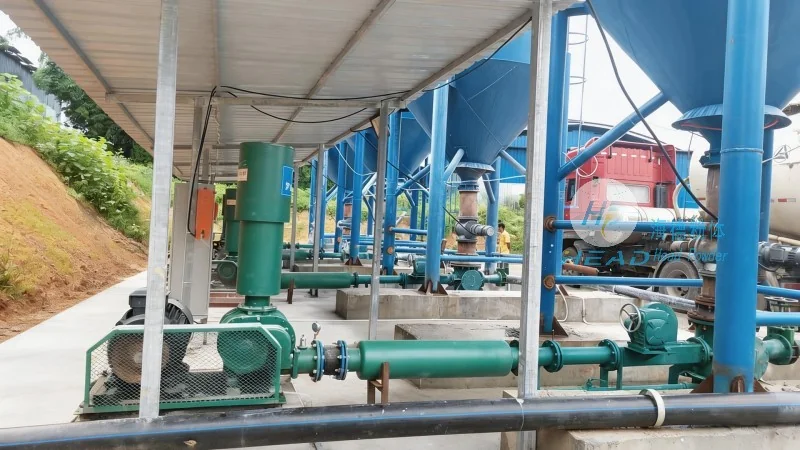
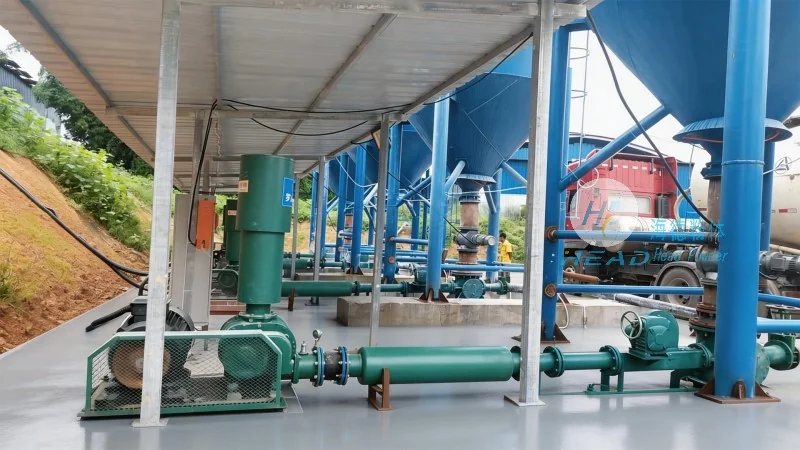
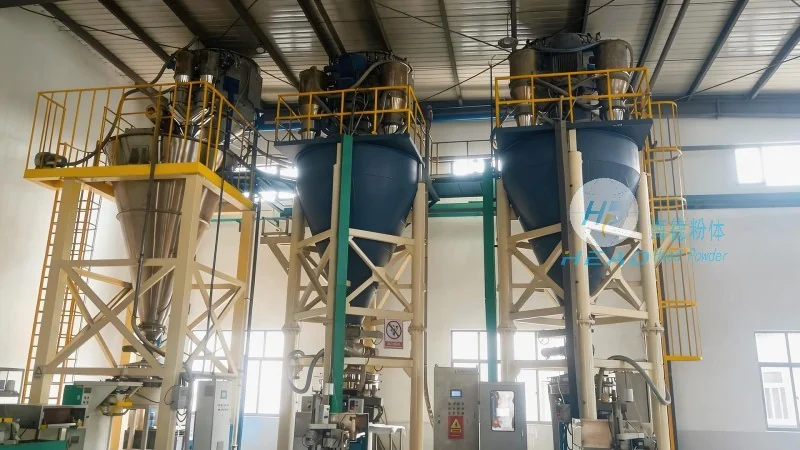
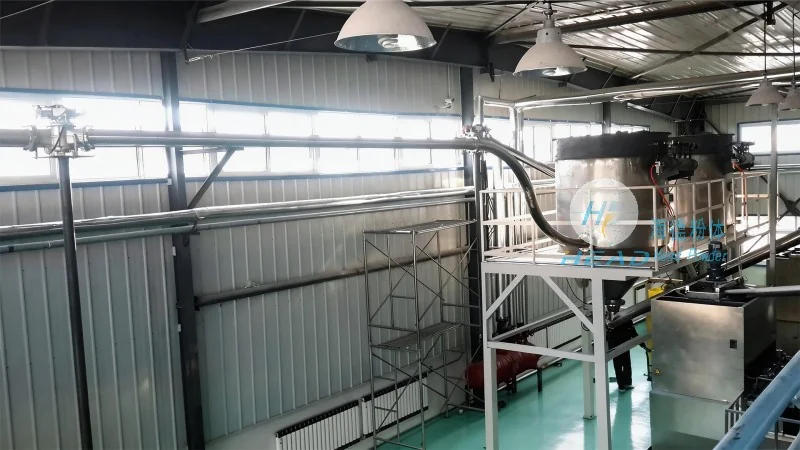
The operation of an inorganic salt pneumatic conveying line involves the use of a pressurized or vacuum system to transport bulk materials through a pipeline. At its core, the system relies on a combination of air flow and mechanical components to move materials from a source to a destination. The process typically begins with the material being fed into a hopper or feeder, where it is then introduced into the conveying line. A fan or blower generates the necessary air pressure, which propels the material through the pipeline. The air and material mixture travels through the system, passing through various components such as bends, filters, and control valves. The material is then separated from the air at the discharge point, often using a cyclone or other separation equipment. The separated material is collected in a receiving bin or silo, while the air is either filtered and recirculated or released to the atmosphere. This continuous process ensures efficient and safe material transport, minimizing downtime and maximizing productivity.
Key Features of Inorganic Salt Pneumatic Conveying Lines
HeadPowder's inorganic salt pneumatic conveying lines are designed with several distinct features that enhance performance and reliability. One of the primary advantages is the ability to handle a wide range of material types, including powders, granules, and fine particles, with consistent flow rates. The systems are equipped with advanced control mechanisms that allow for precise regulation of air pressure and material flow, ensuring stable operation even with varying material characteristics. Another notable feature is the system's compact design, which minimizes space requirements while maintaining high throughput. The use of high-quality materials and components ensures durability and resistance to corrosion, making the systems suitable for long-term use in harsh industrial environments. Additionally, the integration of safety features, such as pressure relief valves and emergency shut-off mechanisms, provides an extra layer of protection for operators and equipment. These features collectively contribute to the overall efficiency and cost-effectiveness of the conveying process, making HeadPowder's solutions a preferred choice for inorganic salt handling applications.