

Working Principle and Features of Pneumatic Conveying Equipment for Aluminum Dross Materials
Aluminum dross, a byproduct generated during the aluminum smelting and casting processes, requires efficient handling and transportation for recycling and waste management. Pneumatic conveying equipment has emerged as a reliable solution for moving these materials, offering advantages over traditional methods like belt conveyors or bucket elevators. This article explores the working principle and key features of such equipment, highlighting its suitability for aluminum dross applications.
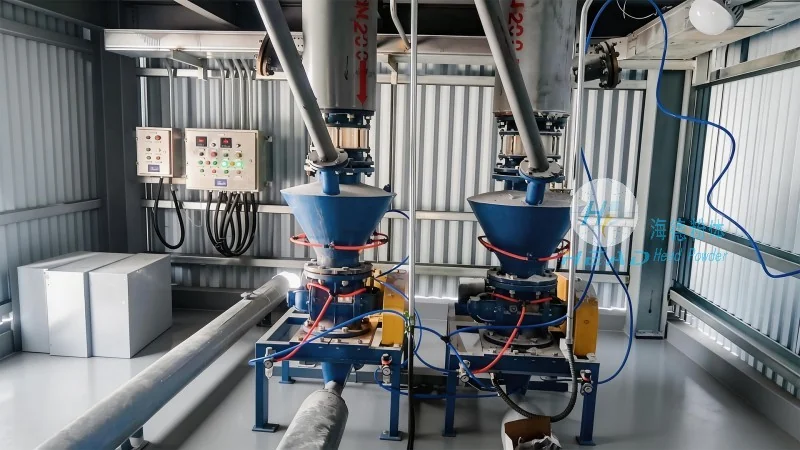
Working Principle of Pneumatic Conveying Systems
The core of pneumatic conveying equipment lies in the use of air to transport bulk materials. In the case of aluminum dross, the system typically operates under positive pressure or negative pressure, depending on the specific design and material characteristics. The process begins with the material being fed into a hopper or feeder, where it is then introduced into a pipeline. Compressed air or vacuum is applied to create a flow that propels the dross particles through the system. The equipment often includes components like rotary valves, airlocks, and filters to ensure consistent and controlled material transport. The working principle is based on the principle of fluidization, where the material is suspended in the air stream, allowing it to be moved efficiently over long distances without the need for mechanical contact with the material.
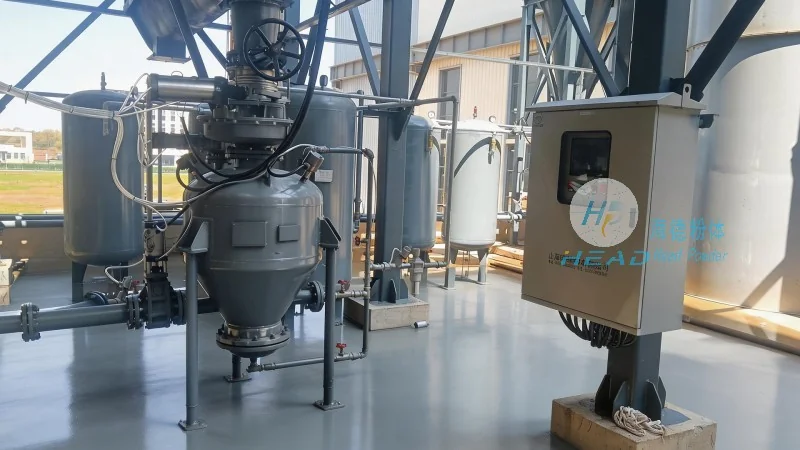
Key Features of Aluminum Dross Pneumatic Conveying Equipment
Shandong HeadPowder Engineering Co., Ltd. specializes in designing and manufacturing pneumatic conveying systems tailored for aluminum dross applications. The equipment from this company is characterized by several key features that enhance performance and reliability. First, the system is designed to handle abrasive and corrosive materials, which are common in aluminum dross processing. High-quality materials of construction, such as stainless steel or corrosion-resistant alloys, are used to ensure durability and longevity. Second, the equipment offers flexible configuration options, allowing it to be adapted to different plant layouts and operational requirements. This includes the ability to integrate with existing processing lines and expand as production needs grow. Third, the system is equipped with advanced control systems that provide real-time monitoring of flow rates, pressure, and material levels. This allows for precise control and minimizes downtime, ensuring smooth operation. Additionally, the equipment incorporates efficient filtration and separation mechanisms to prevent material buildup and maintain system efficiency. The features also include low maintenance requirements, with easy access to components for routine checks and repairs, reducing operational costs over time.
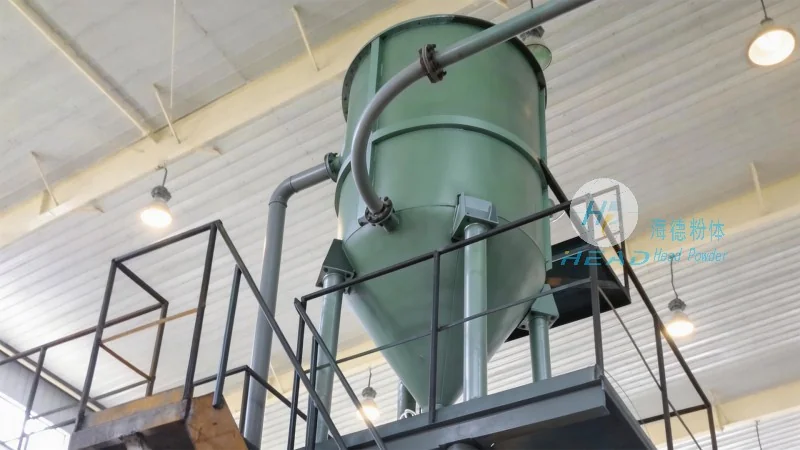
Advantages of Using Pneumatic Conveying for Aluminum Dross
Compared to traditional conveying methods, pneumatic conveying offers several advantages for aluminum dross handling. One of the primary benefits is the ability to transport materials in a closed system, which helps contain dust and prevent environmental contamination. This is particularly important for aluminum dross, which can be hazardous if not handled properly. The closed system also reduces the risk of material spillage and improves workplace safety. Another advantage is the flexibility in transporting materials over long distances and varying elevations. Pneumatic systems can handle vertical and horizontal transport, making them suitable for complex plant layouts. The equipment also allows for continuous operation, which increases productivity and reduces labor costs. Furthermore, the use of air as the conveying medium eliminates the need for mechanical components that come into direct contact with the material, reducing wear and tear and extending the lifespan of the equipment. This results in lower maintenance costs and higher overall efficiency.

Application Scenarios and Performance
Pneumatic conveying equipment from Shandong HeadPowder Engineering Co., Ltd. is widely used in aluminum smelting plants, recycling facilities, and foundries. The equipment is typically employed in the transfer of aluminum dross from storage hoppers to processing units, such as dross treatment or melting furnaces. The performance of the system is measured by factors like conveying capacity, pressure drop, and energy consumption. The equipment is designed to achieve high conveying capacities, often ranging from several tons per hour to over 100 tons per hour, depending on the specific application. The pressure drop across the system is minimized through optimized pipe design and efficient air flow management, which reduces energy consumption and operating costs. The system also ensures consistent material flow, preventing blockages and ensuring smooth operation. In terms of reliability, the equipment is built to withstand the harsh conditions of aluminum dross processing, with components that are resistant to corrosion and abrasion. This ensures long-term performance and minimal downtime, contributing to the overall efficiency of the aluminum processing plant.