

Working Principle and Features of Pneumatic Conveying Systems for Rice Materials
Shandong HeadPowder Engineering Co., Ltd. is a professional manufacturer and supplier specializing in pneumatic conveying systems, particularly those designed for handling rice materials. With a focus on efficient and reliable material transport solutions, the company has established itself as a trusted partner in the industry. Located in Shandong, China, HeadPowder provides tailored solutions that meet the specific needs of various applications in the food processing sector.
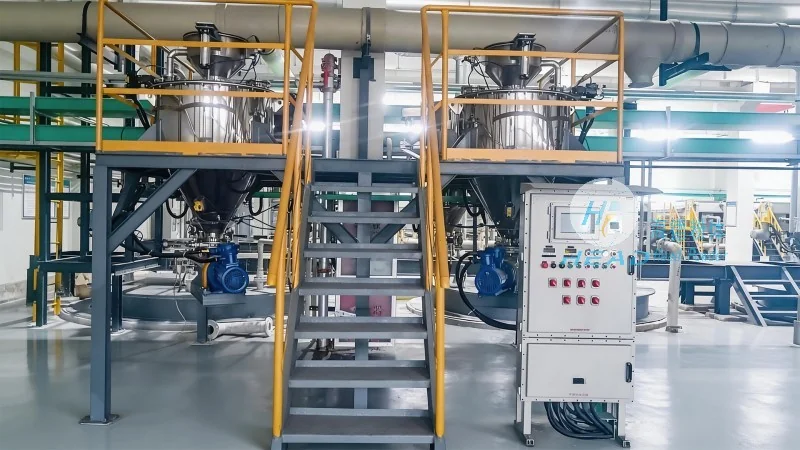

The Working Principle of Pneumatic Conveying Systems for Rice Materials
Pneumatic conveying systems operate by using air or gas to transport bulk materials like rice through a pipeline network. The core mechanism involves creating a pressure differential or utilizing vacuum to move the material. In a typical system, the rice is fed into a hopper, where it is then drawn into the conveying line by a fan or blower. The air flow carries the rice particles through the pipeline, ensuring a smooth and continuous transport process. This method eliminates the need for mechanical components such as belts or buckets, reducing maintenance and operational costs. The system can be configured in either positive pressure or negative pressure modes, depending on the specific requirements of the application. Positive pressure systems use a blower to push the material forward, while negative pressure systems use a vacuum to pull the material through the line. Both modes are effective for rice handling, with the choice depending on factors like distance, material characteristics, and system layout.
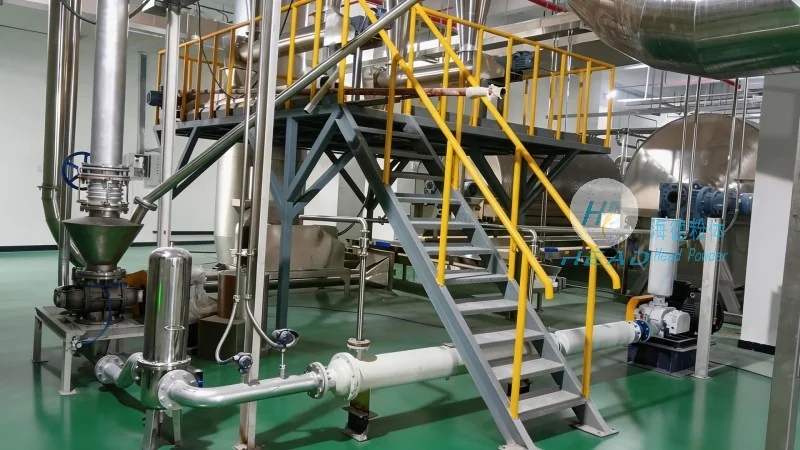
Key Features of Pneumatic Conveying Systems for Rice Materials
HeadPowder's pneumatic conveying systems for rice materials are designed with several key features that enhance performance and reliability. One of the primary advantages is the ability to handle fine or powdery rice particles without causing segregation or degradation. The system's design minimizes material attrition, ensuring that the rice quality remains intact throughout the transport process. Additionally, the systems are equipped with advanced control mechanisms that allow for precise regulation of air flow and pressure, optimizing the conveying efficiency. This results in lower energy consumption and reduced operational costs. Another notable feature is the system's flexibility, as it can be easily integrated with existing processing lines or expanded to accommodate increased production volumes. The components are constructed from food-grade materials, ensuring compliance with industry standards and safety regulations. This makes the systems suitable for applications in food processing, where hygiene and product integrity are paramount. Furthermore, the systems are designed for easy maintenance, with accessible components that allow for quick inspections and repairs. This reduces downtime and increases the overall operational efficiency of the rice processing facility.
Conclusion
Shandong HeadPowder Engineering Co., Ltd. offers advanced pneumatic conveying systems tailored for rice material transport. By leveraging the principles of air flow and pressure control, these systems provide efficient, hygienic, and cost-effective solutions for rice processing facilities. With a focus on quality and reliability, HeadPowder's products are designed to meet the demands of modern food processing operations, ensuring consistent performance and minimal maintenance requirements.