

Working Principle and Features of Plastic Material Conveying Lines
Plastic material conveying lines are essential industrial systems designed to transport plastic materials efficiently and safely from one processing stage to another. These systems are widely used in various industries, including plastic manufacturing, recycling, and material handling, where the smooth and reliable movement of plastic raw materials is crucial for maintaining production efficiency and quality control. The design and operation of these lines are tailored to handle different types of plastic materials, such as pellets, powders, and granules, ensuring that the material is transported without degradation or contamination.
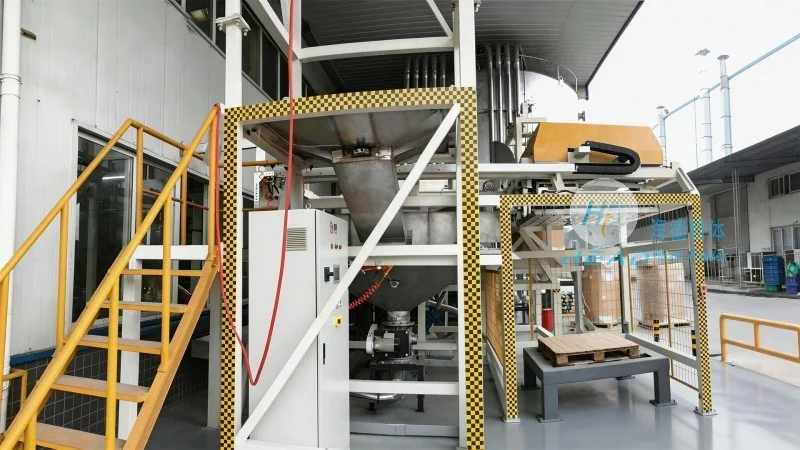
Working Principle of Plastic Material Conveying Lines
The working principle of plastic material conveying lines typically involves several key components and mechanisms that work in tandem to achieve the desired material transport. At the core of these systems is a conveyor mechanism, which can be either a belt conveyor, screw conveyor, or pneumatic conveyor, depending on the specific application and material characteristics. The selection of the conveyor type is critical as it directly impacts the efficiency, cost, and suitability of the system for the intended use.
For example, belt conveyors are commonly used for transporting larger plastic pieces or bulk materials over short to medium distances. They consist of a continuous loop of a flexible belt that moves over rollers or pulleys, carrying the plastic material from the loading point to the discharge point. The speed and tension of the belt can be adjusted to control the flow rate and ensure smooth movement. Screw conveyors, on the other hand, use a rotating screw (auger) to push the plastic material forward. This type of conveyor is ideal for handling powders and granules, as the screw's rotation creates a positive displacement that moves the material through the system. Pneumatic conveyors utilize air pressure to transport plastic materials in a closed pipe system. This method is particularly effective for handling fine powders or dust, as it prevents material loss and contamination.
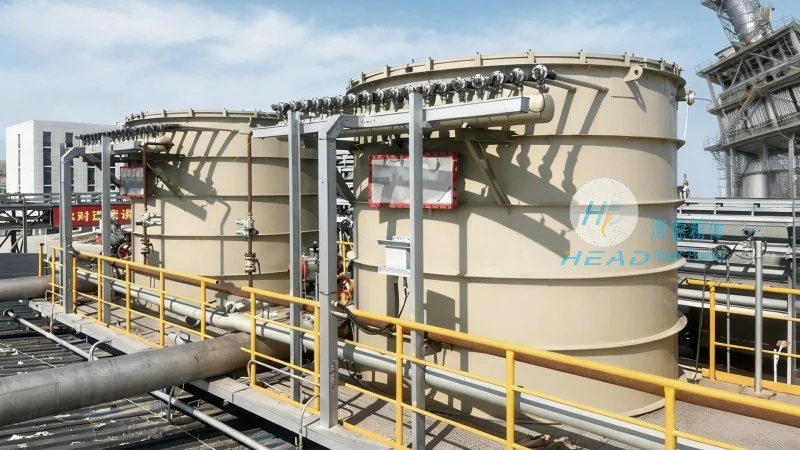
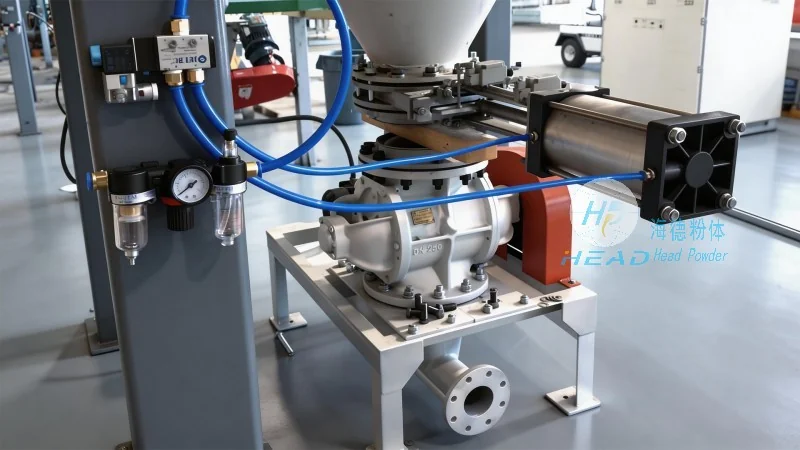
In addition to the conveyor mechanism, plastic material conveying lines often include feeding devices, such as hoppers or feeders, to control the flow of material into the system. These devices ensure that the material is fed at a consistent rate, preventing overloading or underloading of the conveyor. The system may also incorporate control systems, such as sensors and variable frequency drives (VFDs), to monitor and adjust the operation of the conveyor in real-time. These controls help maintain optimal performance, reduce energy consumption, and enhance the overall efficiency of the material handling process.
Key Features of Plastic Material Conveying Lines
Plastic material conveying lines are characterized by several key features that make them suitable for industrial applications. One of the primary features is their ability to handle a wide range of plastic materials, including different types of polymers, colors, and sizes. This versatility allows the systems to be adapted to various production requirements, from small-scale operations to large-scale manufacturing facilities.
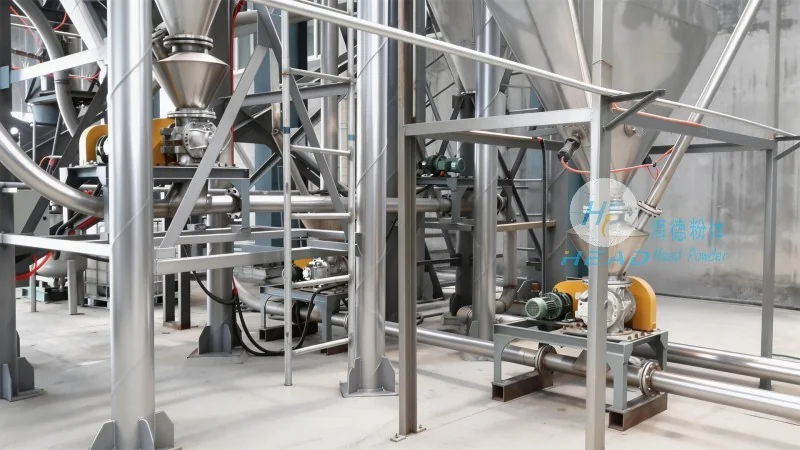
Another important feature is the high efficiency and reliability of these systems. Modern plastic material conveying lines are designed to operate continuously with minimal downtime, ensuring that production processes are not interrupted. The use of durable materials and robust construction in the conveyor components contributes to the longevity and reliability of the system, reducing maintenance costs and increasing the return on investment.
Safety is also a critical feature of plastic material conveying lines. These systems are equipped with safety features, such as emergency stop buttons, safety guards, and overload protection, to prevent accidents and ensure the safety of operators. The enclosed design of many conveying systems also helps to contain dust and particles, reducing the risk of environmental contamination and improving workplace safety.
Furthermore, plastic material conveying lines offer flexibility in terms of layout and integration with other processing equipment. They can be customized to fit specific space constraints and can be integrated with other machinery, such as mixers, extruders, or granulators, to form a complete production line. This flexibility allows manufacturers to optimize their production processes and adapt to changing production needs.
Company Information
Shandong HeadPowder Engineering Co., Ltd., commonly known as headpowder, is a leading manufacturer and supplier of plastic material conveying lines and related industrial equipment. With a strong focus on innovation and quality, the company has established itself as a trusted partner in the plastic processing industry. HeadPowder's manufacturing facility is located in Shandong, China, where the company leverages advanced technology and skilled workforce to develop and produce high-quality conveying systems.
The company's products are designed to meet the diverse needs of its customers, offering solutions for various plastic material handling applications. By combining expertise in material science, engineering, and manufacturing, HeadPowder ensures that its conveying lines are not only efficient and reliable but also tailored to the specific requirements of each client. The company's commitment to customer satisfaction and product excellence has earned it a reputation for delivering superior quality equipment and services in the industry.