

Working Principle and Features of Fine Powder Material Conveying Lines
Understanding the working principle and features of fine powder material conveying lines is crucial for industries that handle delicate and sensitive powders. These systems are designed to transport fine powders efficiently and safely, ensuring minimal loss and contamination. The following sections will delve into the core mechanisms and key characteristics of such conveying lines, providing a comprehensive overview for professionals in material handling and processing. As a leading manufacturer in this field, Shandong HeadPowder Engineering Co., Ltd. specializes in developing and supplying high-quality fine powder conveying solutions tailored to the diverse needs of various industries.
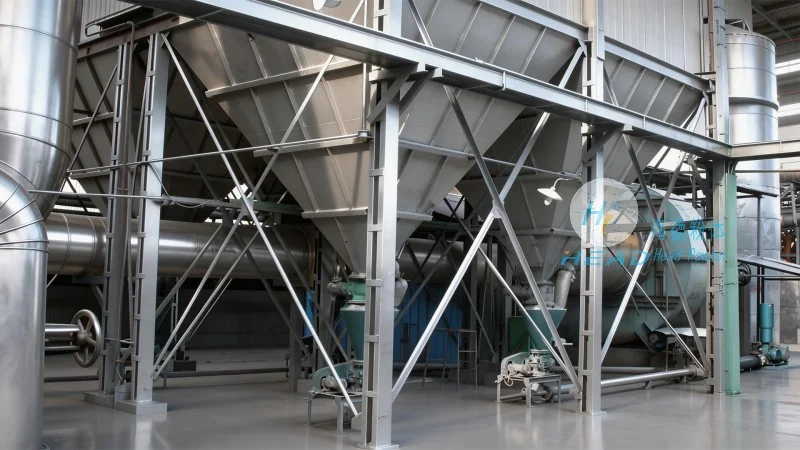
Working Principle of Fine Powder Material Conveying Lines
Fine powder material conveying lines typically operate based on mechanical or pneumatic principles, depending on the specific requirements of the material being transported. One of the most common methods is pneumatic conveying, which uses compressed air to move powders through a pipeline. This method is particularly effective for transporting fine powders that are prone to caking or agglomeration. The process involves feeding the powder into a hopper, where it is then drawn into a pipeline by the pressure differential created by the air flow. The air and powder mixture travels through the pipeline to the discharge point, where the powder is separated from the air and collected in a receiving container. Another common method is mechanical conveying, such as screw conveyors or belt conveyors, which use rotating components to move powders along a fixed path. These systems are often used for materials that are less sensitive to air flow or require more direct control over the transport process. The working principle of mechanical conveyors involves the rotation of a screw or belt, which pushes the powder forward through the conveyor. The speed and torque of the motor can be adjusted to control the flow rate and prevent material buildup or blockages.
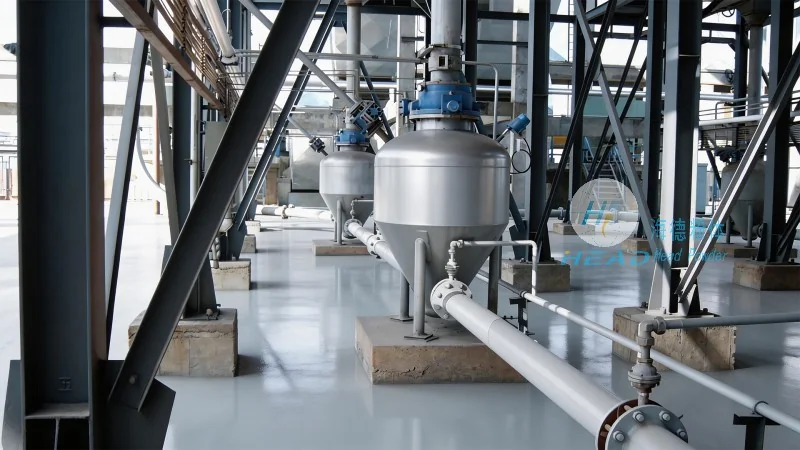
Key Features of Fine Powder Material Conveying Lines
Fine powder material conveying lines are characterized by several key features that make them suitable for handling delicate materials. One of the primary features is their ability to maintain a consistent flow rate, which is essential for processes that require precise material delivery. The systems are often equipped with variable speed drives and flow control valves to ensure that the powder is transported at the desired rate. Another important feature is their ability to minimize material degradation and contamination. This is achieved through the use of smooth, non-stick surfaces in the conveyor components, which prevent the powder from sticking or adhering to the equipment. Additionally, the conveying lines are designed to be airtight and sealed, preventing dust from escaping and contaminating the surrounding environment. This is particularly important for materials that are hazardous or have strict regulatory requirements. The systems also offer high efficiency in terms of energy consumption, as they use compressed air or mechanical power to move the powder with minimal waste. The energy efficiency is enhanced by the use of optimized pipeline designs and reduced pressure losses, which minimize the amount of air or power required for operation. Furthermore, fine powder material conveying lines are highly adaptable to different types of powders and processing conditions. They can be customized to handle a wide range of particle sizes, densities, and flow properties, making them suitable for various industrial applications. The flexibility of these systems allows them to be integrated into existing production lines or used as standalone units, depending on the specific needs of the operation.
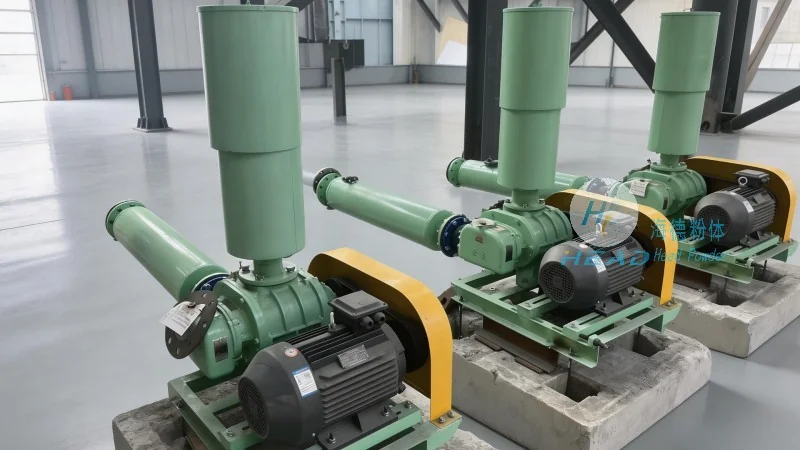
Applications and Industries
Fine powder material conveying lines are widely used in various industries that require the handling of fine powders. These include pharmaceuticals, food processing, chemical manufacturing, and mining. In the pharmaceutical industry, for example, these systems are used to transport active pharmaceutical ingredients (APIs) and excipients with high precision and minimal contamination. The strict regulations in this industry demand that the conveying lines are designed to be sterile and free from any foreign particles. In the food processing industry, the systems are used to transport ingredients such as flour, sugar, and spices, ensuring that the products remain fresh and free from spoilage. The chemical manufacturing industry uses these lines to transport raw materials and intermediates, which may be hazardous or reactive. The mining industry utilizes fine powder conveying lines to transport ore and other materials from the extraction site to processing facilities. The versatility of these systems makes them indispensable in these and other industries.
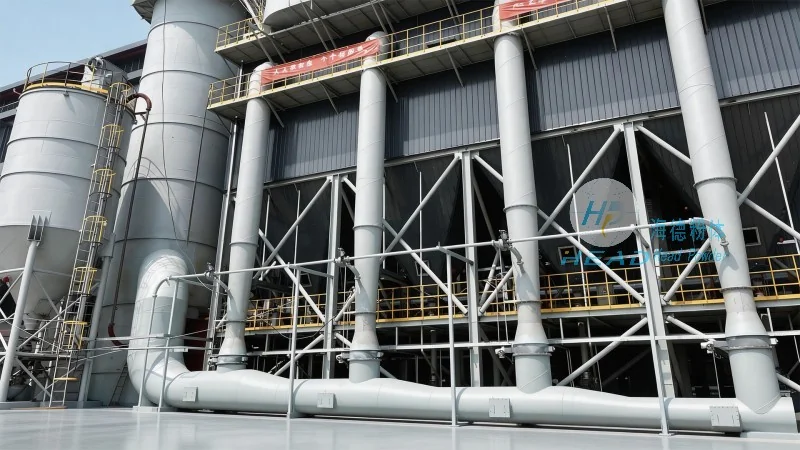
Advantages and Considerations
There are several advantages to using fine powder material conveying lines for material handling. The primary advantage is the high efficiency and reliability of the systems, which can operate continuously for long periods without significant maintenance. The use of pneumatic conveying, in particular, reduces the need for manual handling, which improves safety and reduces labor costs. Another advantage is the ability to transport powders over long distances without the need for intermediate storage or transfer points. This reduces the risk of material degradation and contamination, as the powder is kept in a closed system throughout the transport process. However, there are also some considerations to keep in mind when using these systems. The initial cost of installation and maintenance can be higher compared to other types of conveyors, especially for large-scale operations. Additionally, the systems require regular cleaning and maintenance to prevent clogging and ensure optimal performance. The selection of the appropriate conveying method and system design is critical to achieving the desired results, as different materials have different handling characteristics. It is important to consult with experts in the field to determine the best system for specific applications.