

The Working Principle and Features of Mung Bean Material Conveying Lines
Mung bean material conveying lines are specialized systems engineered to efficiently transport mung beans and related materials through various processing stages. The core working principle centers on the integration of multiple components, including feeders, conveyors, and control systems, to ensure smooth and continuous material flow. At the initial stage, a hopper or bulk container feeds the mung beans into the system. A feeder, such as a vibratory or screw feeder, then regulates the flow rate to maintain consistent material input, preventing overloading and ensuring uniform distribution of the beans into the conveyor section.
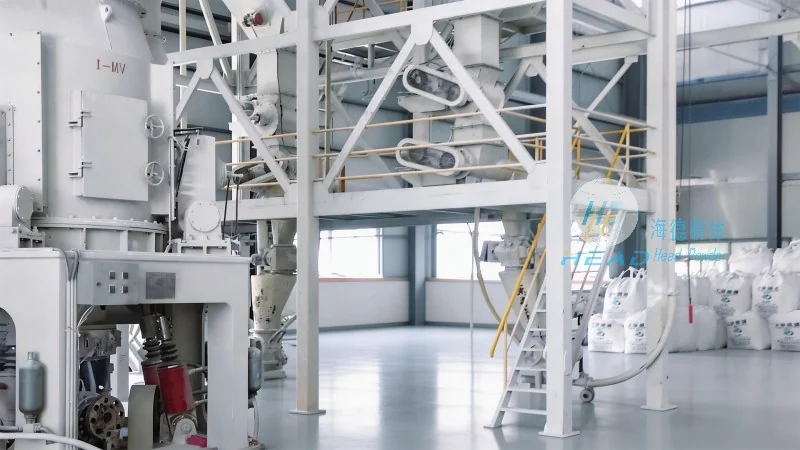
The conveyor system, typically composed of belt or chain conveyors, transports the mung beans from the feeding area to processing or storage zones. Belt conveyors are widely utilized due to their flexibility and ability to handle diverse material types, including mung beans with varying moisture contents. The belt is supported by rollers and driven by a motor, providing the necessary force to move the beans along the designated path. Some systems may include incline or decline sections to adjust the elevation of the material, enabling vertical or horizontal transport as required by the processing layout.
Control systems play a crucial role in maintaining operational efficiency. Sensors, such as level or position sensors, monitor material levels in hoppers and conveyor sections, providing real-time data to the control unit. The control unit then adjusts feeder or conveyor speed to prevent blockages or underflow. Additionally, safety features like emergency stop buttons and overload protection are integrated to ensure safe operation and protect equipment from damage.

Key Features of Mung Bean Material Conveying Lines
HeadPowder Engineering Co., Ltd. specializes in designing and manufacturing high-quality mung bean material conveying lines, offering several distinct advantages. One primary feature is the robust and durable construction, essential for handling the abrasive nature of mung beans and high-volume processing. The equipment is typically made from stainless steel or other corrosion-resistant materials, ensuring longevity and easy maintenance.
Another notable feature is the high efficiency and reliability of the conveying systems. Advanced control technology allows for precise regulation of material flow, minimizing downtime and maximizing production output. This is critical in industrial settings where consistent mung bean supply is vital for downstream processes like milling or packaging.
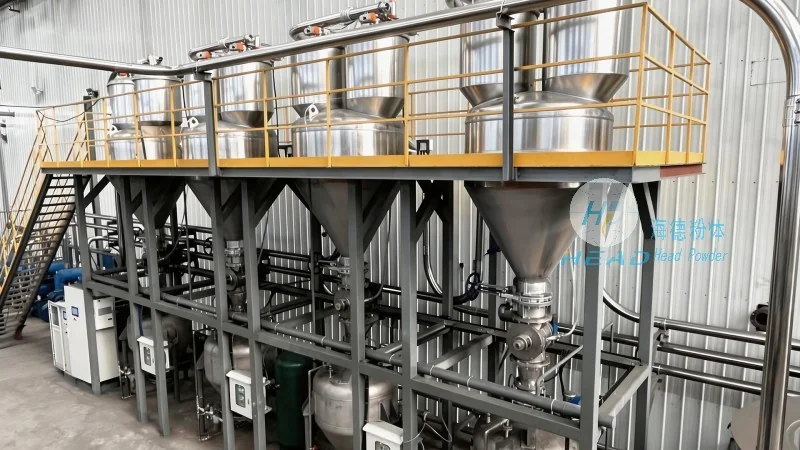
The modular design of the conveying lines is another key advantage. HeadPowder provides customizable solutions tailored to specific production requirements, including varying conveyor lengths, widths, and incline angles. This flexibility allows customers to adapt the system to existing facilities or future expansion plans. Additionally, the systems are designed for easy maintenance, with accessible components and clear operational indicators, reducing upkeep time and costs.
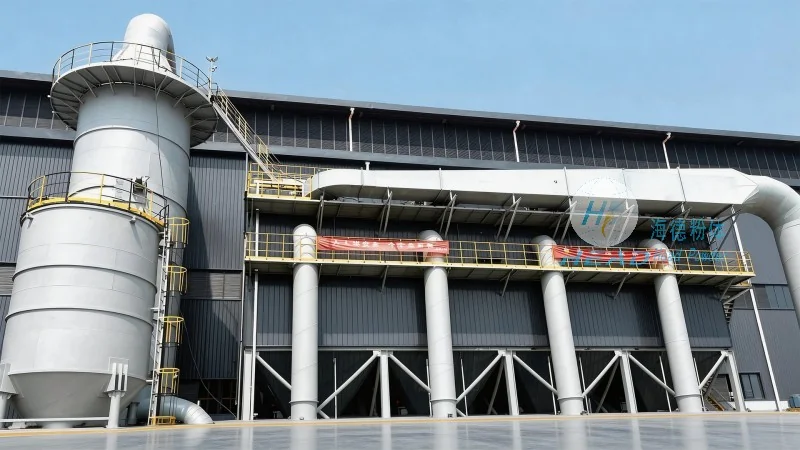
Environmental considerations are also addressed in the design. The systems include dust collection and filtration to minimize airborne particles and maintain a clean working environment, crucial for worker safety and regulatory compliance. Energy-efficient motors and optimized conveyor speeds further reduce operational costs and the carbon footprint.
About HeadPowder Engineering Co., Ltd.
HeadPowder Engineering Co., Ltd., based in Shandong, China, is a leading manufacturer of industrial conveying equipment, including specialized mung bean material conveying lines. With years of industry experience, HeadPowder has built a reputation for producing high-quality, reliable, and efficient systems that meet diverse food processing and agricultural industry needs. The company’s commitment to innovation and customer satisfaction has made it a trusted partner for businesses seeking to optimize material handling processes.