

Working Principle and Features of Dye Material Conveying Lines
Efficient and reliable dye material conveying lines are fundamental to the modern dye manufacturing industry. These systems are engineered to transport various dye powders and granules from storage to processing units with precision, minimal loss, and consistent quality. Understanding the working principle and key characteristics of such lines is essential for optimizing production efficiency and maintaining the integrity of dye products.
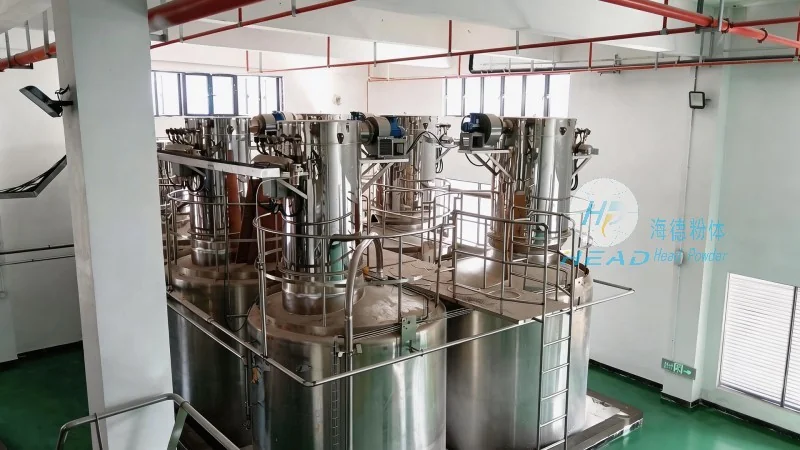
About Shandong HeadPowder Engineering Co., Ltd.
HeadPowder, a leading manufacturer in the field, specializes in the design, development, and installation of advanced dye material conveying systems. Headquartered in Shandong, China, the company draws upon decades of industry expertise to deliver customized solutions tailored to the unique requirements of clients in the dye and chemical sectors. The company’s commitment to quality, innovation, and customer satisfaction ensures that its conveying lines meet the highest standards of performance, durability, and operational reliability.
Working Principle of Dye Material Conveying Lines
The working principle of a dye material conveying line typically involves a series of interconnected components that collaborate to move materials. At the core is the conveyor system, which can be a belt conveyor, screw conveyor, or pneumatic conveyor—selected based on material properties and processing needs. For fine dye powders, which are often abrasive and prone to degradation, a screw conveyor or a belt conveyor with specialized materials is commonly employed to prevent material damage and ensure smooth flow.
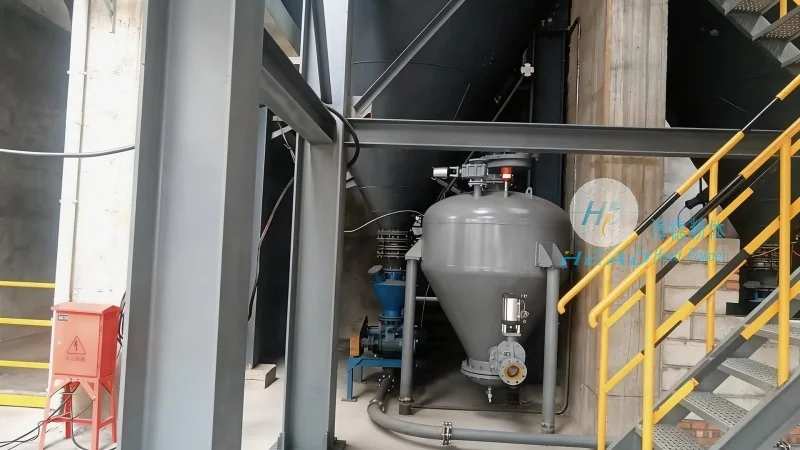
The process begins with a storage hopper or silo where the dye material is stored. A feeder mechanism, such as a rotary valve or vibratory feeder, regulates the material flow into the conveyor. The conveyor then transports the material to processing units like mixers or reactors. In many systems, a dust collection system is integrated to control airborne particles and maintain a safe environment. The entire operation is managed by a programmable logic controller (PLC) or similar control system, which monitors parameters like flow rate, pressure, and temperature to ensure optimal performance and prevent malfunctions.
Key Features of Dye Material Conveying Lines
HeadPowder’s dye material conveying lines are distinguished by several critical features that enhance functionality and usability. One primary feature is the use of high-quality, corrosion-resistant materials for construction—such as stainless steel or specialized alloys—for handling acidic or caustic dye powders. This not only extends equipment lifespan but also prevents product contamination.
Another significant feature is the integration of advanced control systems that enable real-time monitoring and adjustment of the conveying process. These systems can be programmed to modulate conveyor speed based on material load, ensuring consistent flow and preventing overloading or underloading. Additionally, safety features like emergency stop buttons and overload protection safeguard both operators and equipment from potential hazards.
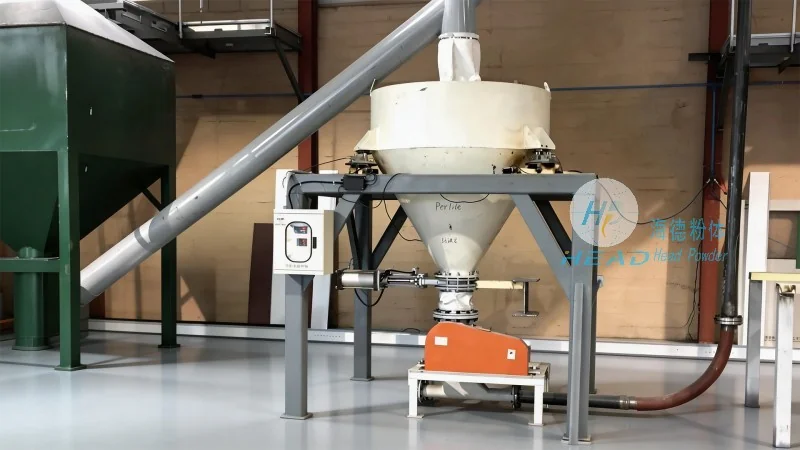
The design of the conveying lines emphasizes flexibility and adaptability. Many systems are modular, allowing for easy expansion or modification to accommodate changes in production volume or material types. This flexibility is particularly valuable in the dye industry, where product lines may evolve frequently or production scales need adjustment. Furthermore, the lines are engineered to minimize material loss and dust generation, which is vital for maintaining product purity and complying with environmental regulations.
Benefits of Using Dye Material Conveying Lines
Implementing a well-designed dye material conveying line offers substantial benefits for manufacturers. Firstly, it boosts production efficiency by automating material handling, reducing manual labor and downtime. Consistent material flow ensures processing units operate at peak capacity, leading to higher throughput and lower production costs.
Secondly, advanced materials and control systems enhance product quality by preventing contamination and maintaining consistent material properties. Even minor variations in dye composition can affect final product color and performance, making precise handling critical. The conveying lines help preserve product integrity through hygienic and accurate material transport.
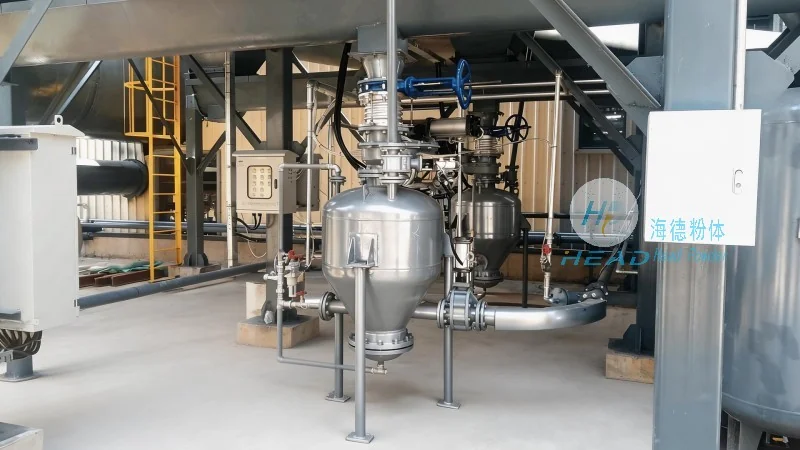
Thirdly, integrated safety features and environmental controls contribute to a safer workplace and regulatory compliance. Reduced dust and airborne particles protect workers from respiratory hazards and maintain a clean, organized facility—essential for quality control and inspections.
Conclusion
In summary, dye material conveying lines are a critical component of modern dye manufacturing, and understanding their working principle and features is key to optimizing efficiency and product quality. HeadPowder, with its expertise and commitment to excellence, provides reliable, customized conveying solutions that meet the specific needs of clients in the dye industry. By leveraging advanced technology and robust design, these systems deliver significant advantages in efficiency, quality, and safety, making them indispensable to any dye production facility.