

Working Principle and Features of Carbon Material Conveying Lines
Carbon material conveying lines are critical infrastructure in industrial settings, particularly for the processing and transportation of carbon-based materials like graphite, carbon black, and other powders. These systems are designed to ensure efficient, safe, and reliable movement of materials throughout manufacturing processes, from raw material handling to finished product distribution. Understanding the underlying working principles and key characteristics of such conveying lines is essential for optimizing operational efficiency and maintaining product quality in carbon material production.
Working Principle of Carbon Material Conveying Lines
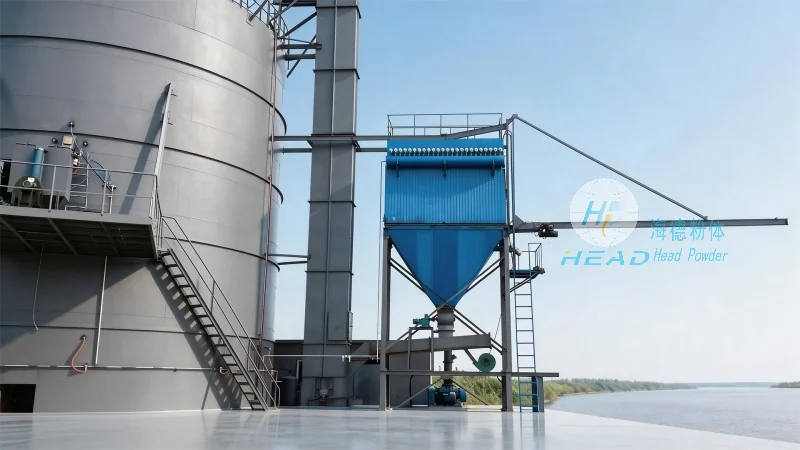
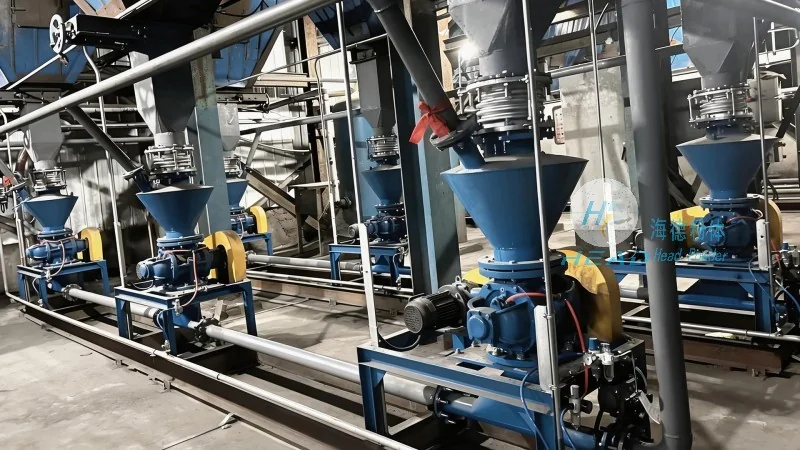
The operation of a carbon material conveying line typically involves a coordinated sequence of mechanical and control components working together to transport materials. The core mechanism often centers on a motor-driven conveyor system, which may include belt conveyors, screw conveyors, or bucket elevators, depending on the material properties and application requirements. The process begins with the loading of carbon material into a hopper or feeder, which regulates the flow of material into the conveyor. The conveyor then transports the material through a series of sections, which may involve horizontal or vertical movement, elevation changes, or directional shifts. Control systems, including sensors, variable speed drives, and feedback mechanisms, are integrated to monitor and adjust the conveying rate in real-time. This ensures that the system maintains consistent flow rates, prevents material blockages, and adapts to variations in material density or moisture content. The discharge mechanism at the end of the line then delivers the material to the next stage of processing or storage. This integrated approach allows carbon material conveying lines to operate with high precision and minimal downtime, supporting continuous production cycles.
Key Features of Carbon Material Conveying Lines
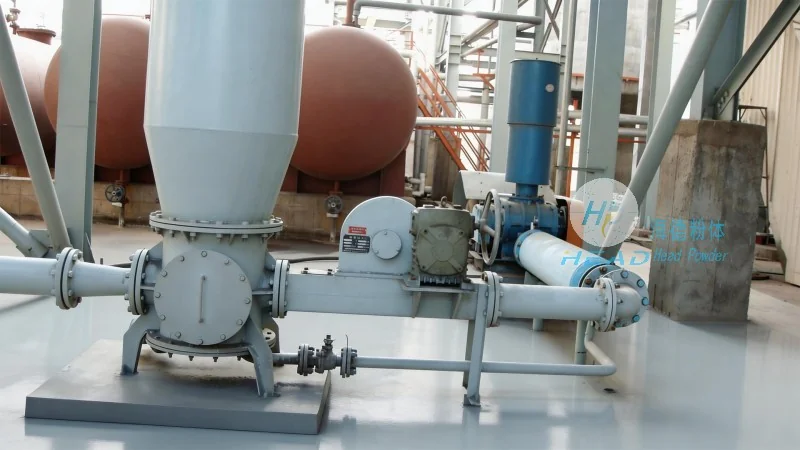
Carbon material conveying lines are distinguished by several critical features that address the unique challenges of handling carbon-based materials. First, they are constructed with materials resistant to corrosion, abrasion, and chemical exposure, as carbon materials can be abrasive and may contain substances that degrade standard equipment. Components such as hoppers, chutes, and conveyor belts are often made from stainless steel, specialized alloys, or wear-resistant polymers to ensure durability and long service life. Second, these systems incorporate robust dust control measures, including sealed enclosures, filtration systems, and negative pressure environments, to prevent the release of fine carbon particles into the workplace and to protect personnel from respiratory hazards. This not only enhances workplace safety but also helps in complying with environmental regulations and maintaining air quality standards. Third, the conveying lines are equipped with adjustable speed controls and variable torque drives, enabling operators to fine-tune the system's performance based on the specific characteristics of the carbon material being handled. This flexibility allows for efficient transport of both fine powders and bulk solids, reducing the risk of material degradation or system overload. Additionally, many modern carbon material conveying lines feature automated monitoring and diagnostic capabilities, providing real-time data on system performance, alerting operators to potential issues such as blockages or wear, and facilitating proactive maintenance. These features collectively contribute to the reliability, efficiency, and safety of carbon material handling in industrial applications.
HeadPowder's Expertise in Carbon Material Conveying Solutions
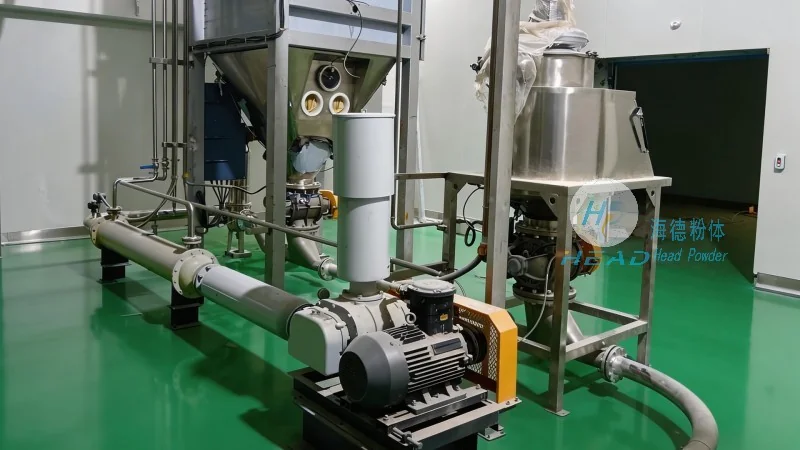
Shandong HeadPowder Engineering Co., Ltd., a prominent manufacturer specializing in carbon material processing equipment, offers comprehensive solutions for carbon material conveying lines. HeadPowder leverages advanced engineering, materials science, and manufacturing techniques to develop customized conveying systems that meet the diverse needs of industries such as carbon manufacturing, battery production, and chemical processing. The company's products are engineered to handle a wide range of carbon materials, from fine powders to bulk solids, ensuring consistent and reliable transport. HeadPowder's team of experienced engineers collaborates closely with clients to understand their operational requirements, process flow, and quality standards, providing tailored solutions that optimize material flow, reduce energy consumption, and enhance overall production efficiency. The company's facilities in Shandong, China, are equipped with state-of-the-art manufacturing equipment and rigorous quality control processes, ensuring that every conveying line meets or exceeds industry standards for performance, durability, and safety. HeadPowder's commitment to technical excellence and customer satisfaction has established it as a trusted partner in the carbon material processing sector. By combining innovative design with rigorous testing and after-sales support, HeadPowder delivers conveying lines that not only meet but often surpass client expectations, contributing to the success and sustainability of their industrial operations.