

Working Principle and Features of Polyolefin Material Handling Equipment
For industries dealing with polyolefin materials, efficient and reliable material handling equipment is crucial for maintaining production efficiency and product quality. Polyolefin material handling equipment, such as conveyors and processing systems, plays a vital role in the transportation, storage, and processing of these lightweight, flexible polymers. This article will explore the working principles and key features of polyolefin material handling equipment, providing insights into how these systems operate and the advantages they offer in industrial applications.
Understanding the Working Principle of Polyolefin Material Handling Equipment
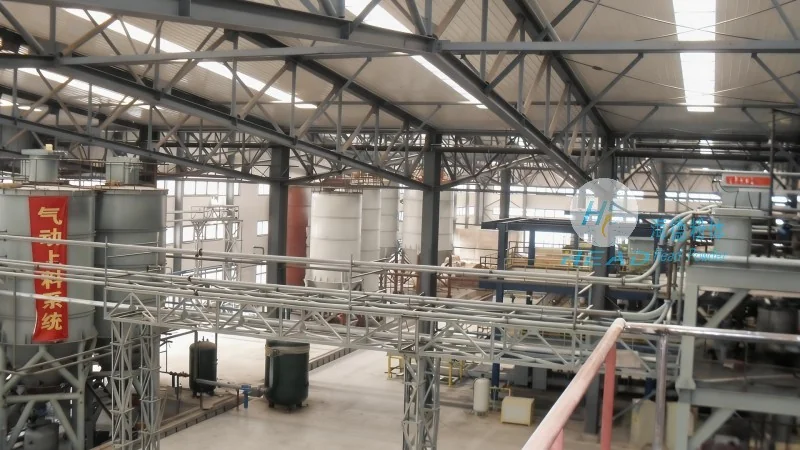
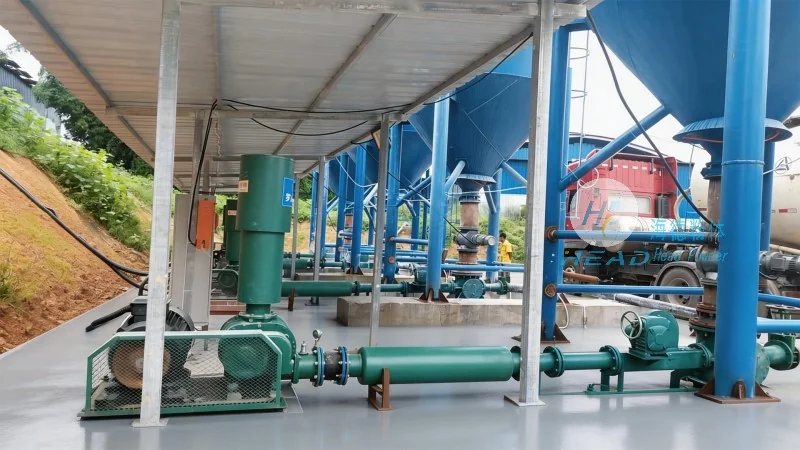
Polyolefin material handling equipment typically operates based on mechanical, pneumatic, or hydraulic systems, depending on the specific application and material characteristics. The core working principle involves the movement of polyolefin materials from one location to another within a production facility. For instance, belt conveyors are commonly used to transport polyolefin pellets or granules horizontally or at a slight incline. These systems utilize rotating rollers or a continuous belt to move the material along a designated path, ensuring smooth and consistent flow. In contrast, pneumatic conveying systems use compressed air to transport polyolefin powders or fine particles through pipes, leveraging the pressure difference to move the material from the source to the destination. This method is particularly effective for handling fine polyolefin powders that are prone to dusting or clogging in traditional mechanical systems.
Another common type of polyolefin material handling equipment is the screw conveyor, which uses a rotating screw to push material forward. This design is ideal for vertical or inclined transport, as the screw's helical structure creates a continuous flow of material. The screw conveyor's working principle is based on the friction between the screw and the material, as well as the gravitational force, to move the polyolefin from the feed point to the discharge point. This method is efficient for handling bulk polyolefin materials and can be integrated with other processing equipment, such as mixers or extruders, to form a complete production line.
Key Features of Polyolefin Material Handling Equipment
When evaluating polyolefin material handling equipment, several key features are critical for ensuring optimal performance and longevity. First, the equipment must be designed to handle the specific properties of polyolefin materials, such as their low density, flexibility, and potential for static charge buildup. Many polyolefin handling systems incorporate anti-static features, such as grounding mechanisms or ionizers, to prevent static discharge that could damage sensitive equipment or cause material accumulation. Additionally, the equipment should be constructed from materials that are resistant to chemical corrosion and wear, as polyolefin materials may contain additives or be exposed to harsh processing environments.
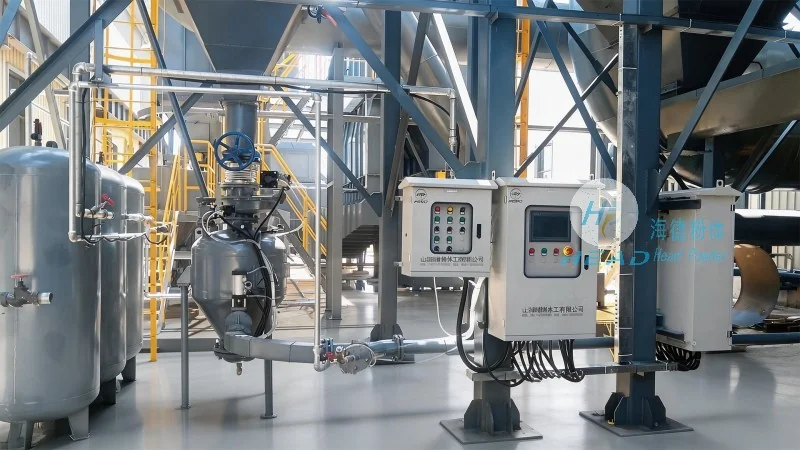
Another important feature is the system's ability to maintain material integrity during transport. Polyolefin materials are often sensitive to temperature and moisture, and improper handling can lead to degradation or contamination. Therefore, many polyolefin handling equipment incorporates temperature control and moisture-proof designs, such as insulated conveyor belts or enclosed systems, to protect the material from environmental factors. Furthermore, the equipment should offer high efficiency and low maintenance requirements, as polyolefin production lines often operate continuously and require minimal downtime. This includes features like easy-to-clean surfaces, durable components, and automated control systems that optimize material flow and reduce human intervention.
Applications and Benefits in Industrial Settings
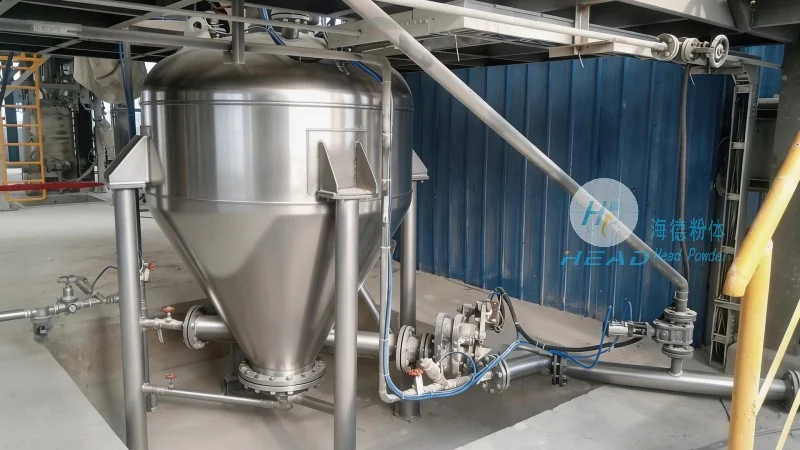
Polyolefin material handling equipment is widely used in various industries, including plastics manufacturing, packaging, and chemical processing. In the plastics industry, these systems are essential for transporting polyolefin pellets from storage silos to extrusion machines, ensuring a steady supply of raw material for production. The efficient handling of polyolefin materials also contributes to improved production throughput and reduced material waste, as minimal material loss occurs during transport. Additionally, the use of specialized polyolefin handling equipment can enhance product quality by preventing contamination and maintaining consistent material properties throughout the processing chain.
For companies in the polyolefin sector, investing in high-quality material handling equipment from reputable manufacturers, such as Shandong HeadPowder Engineering Co., Ltd., can provide significant advantages. The company specializes in designing and manufacturing custom polyolefin material handling solutions tailored to the specific needs of clients. With a focus on durability, efficiency, and reliability, their equipment is built to withstand the demands of continuous industrial operations. By partnering with a trusted manufacturer like HeadPowder, businesses can ensure that their polyolefin material handling systems operate at peak performance, minimizing downtime and maximizing productivity.