

Working Principle and Features of Manganese Sulfate Material Handling Equipment
Understanding the working principles and features of equipment designed for transporting manganese sulfate is crucial for optimizing industrial processes. This article provides an in-depth look at the mechanisms and characteristics of such systems, tailored for the efficient handling of this specific chemical material.
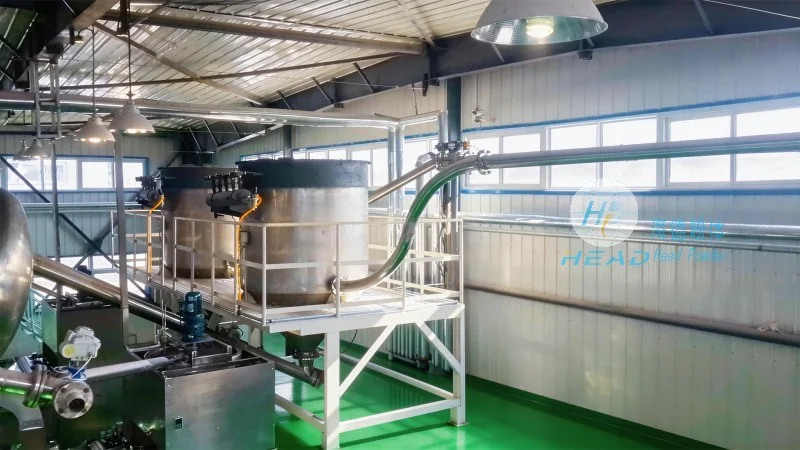
Company Overview: Shandong HeadPowder Engineering Co., Ltd.
HeadPowder, a leading manufacturer in the field, specializes in providing high-quality material handling solutions. With a strong presence in China, particularly in Shandong, the company has built a reputation for reliability and innovation in engineering equipment for chemical industries. Their expertise ensures that the equipment meets stringent operational and safety standards, making it suitable for various industrial applications.
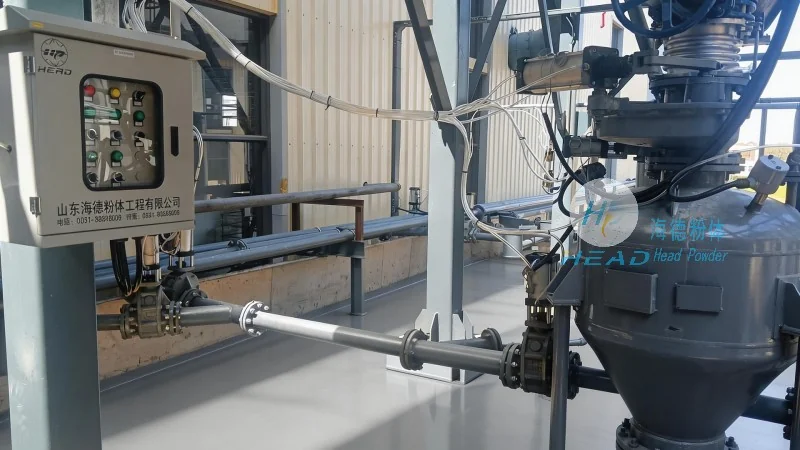
Working Principle of Manganese Sulfate Material Handling Equipment
The core working principle of manganese sulfate material handling equipment revolves around the efficient transfer of the material from one location to another. Typically, these systems utilize mechanisms such as conveyor belts, screw conveyors, or pneumatic transport systems, depending on the specific requirements of the process. For instance, conveyor belts are commonly used for bulk material handling, offering a continuous and stable transport method. Screw conveyors, on the other hand, are ideal for handling materials with a higher moisture content or those that are more cohesive, as they can effectively move the material through a rotating screw mechanism. Pneumatic systems, which use air pressure to transport the material, are particularly useful for fine powders, ensuring minimal dust generation and precise control over the material flow. The selection of the appropriate mechanism depends on factors like the material's physical properties, the desired throughput, and the operational environment.
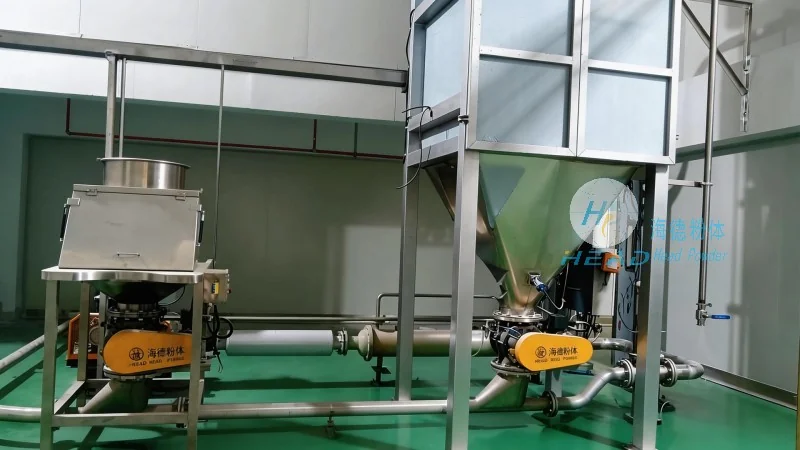
Key Features of Manganese Sulfate Material Handling Equipment
Several key features distinguish high-quality manganese sulfate material handling equipment. Firstly, durability and corrosion resistance are paramount, given the chemical nature of the material. The equipment is often constructed from materials like stainless steel or specialized alloys that can withstand the corrosive effects of manganese sulfate and other chemicals. Secondly, efficiency in material transfer is a critical feature, with designs optimized to minimize energy consumption while maximizing throughput. This includes features like variable speed drives, which allow for adjustments based on the material's flow characteristics. Thirdly, safety features are integrated to ensure operational safety, such as overload protection, emergency stop mechanisms, and dust containment systems. These features not only enhance the safety of the operation but also comply with industrial safety regulations. Additionally, the equipment is designed for easy maintenance and cleaning, which is essential for maintaining hygiene standards, especially when handling chemical materials. The modular design of many systems allows for easy replacement of components, reducing downtime and maintenance costs.
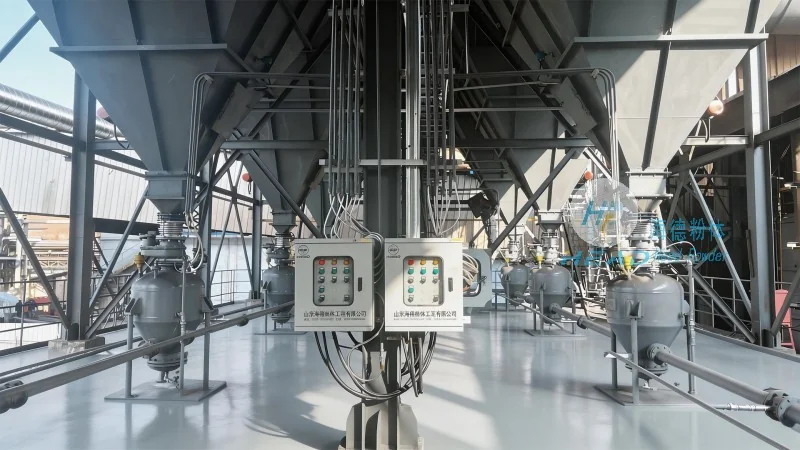
Conclusion and Application
In conclusion, manganese sulfate material handling equipment plays a vital role in the efficient and safe processing of this chemical material. By understanding the working principles and leveraging the key features, industries can optimize their operations, improve productivity, and ensure compliance with safety standards. As a trusted provider, Shandong HeadPowder Engineering Co., Ltd. continues to deliver innovative solutions that meet the evolving needs of the chemical industry, ensuring reliable and efficient material handling for manganese sulfate and other similar materials.