

Working Principle and Features of Cellulose Material Handling Equipment
Cellulose material handling equipment plays a crucial role in various industrial processes, particularly in sectors that involve the processing and transportation of cellulose-based materials. These materials, derived from natural sources such as wood pulp, agricultural residues, and other biomass, require specialized equipment to ensure efficient and safe handling. The equipment is designed to address the unique challenges posed by cellulose materials, including their fibrous structure, varying moisture content, and the need for precise control during transportation.
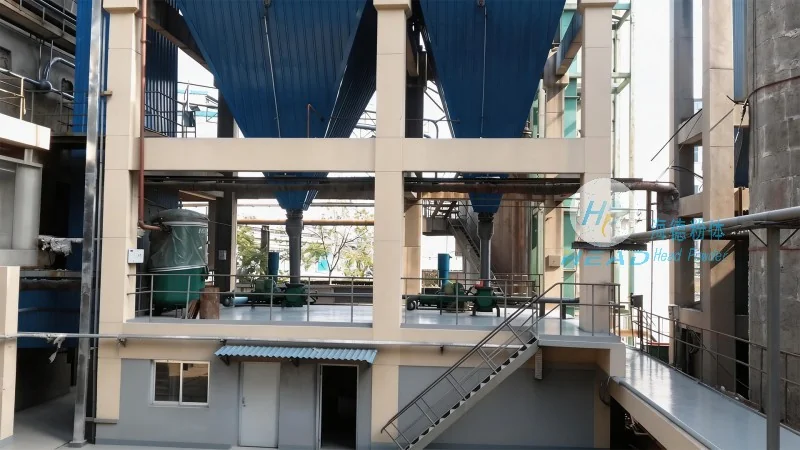
Working Principle of Cellulose Material Handling Equipment
The working principle of cellulose material handling equipment typically involves several key components and mechanisms tailored to the physical properties of cellulose. One of the primary mechanisms is the use of conveyor systems, which can be either belt conveyors or screw conveyors, depending on the specific application. Belt conveyors are commonly used for transporting loose or bulk cellulose materials over short to medium distances, while screw conveyors are ideal for vertical or inclined transport, especially when dealing with materials that are more cohesive or have higher moisture content.
Another critical component is the feeding mechanism, which ensures that cellulose materials are fed into the conveyor system uniformly and without blockages. This often involves the use of feed hoppers or feeders that can adjust the flow rate based on the material's characteristics. For example, in applications involving wood chips or sawdust, the feeder may use a rotary valve or a star feeder to control the material flow, preventing overloading and ensuring smooth operation.
The conveying mechanism itself relies on the principles of mechanical force and gravity. Belt conveyors utilize motor-driven pulleys to move the belt, which carries the cellulose material along the desired path. The speed and tension of the belt can be adjusted to accommodate different material types and processing requirements. Screw conveyors, on the other hand, use a rotating screw (or auger) to push the material forward, leveraging the friction between the screw and the material to achieve transport. This mechanism is particularly effective for materials that tend to stick together or for vertical transport, as the screw provides consistent pressure and movement.
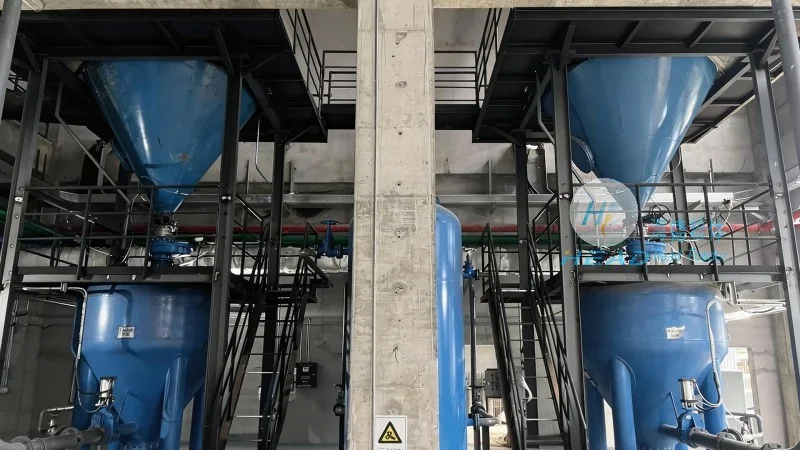
In addition to the primary conveying components, many cellulose material handling systems incorporate auxiliary equipment such as screens, classifiers, and driers. Screens are used to separate oversized or undersized particles from the cellulose material, ensuring that the final product meets the required specifications. Classifiers may be used to sort materials based on density or size, while driers are employed to reduce the moisture content of the material, which is essential for improving its processing properties and preventing issues like mold growth or degradation.
Key Features of Cellulose Material Handling Equipment
Cellulose material handling equipment is characterized by several key features that enhance its performance and adaptability to different industrial needs. One of the most notable features is its robust construction, which is designed to withstand the abrasive nature of cellulose materials. The equipment typically uses high-quality materials such as stainless steel or wear-resistant alloys for components that come into direct contact with the material, ensuring long service life and minimal maintenance.
Another important feature is the adjustable speed and capacity control. Many systems are equipped with variable frequency drives (VFDs) that allow operators to adjust the conveyor speed and material flow rate in real-time. This flexibility is crucial for adapting to changes in production demand or material characteristics, such as variations in moisture content or particle size. The ability to control the flow rate also helps in preventing material buildup and ensuring consistent processing.
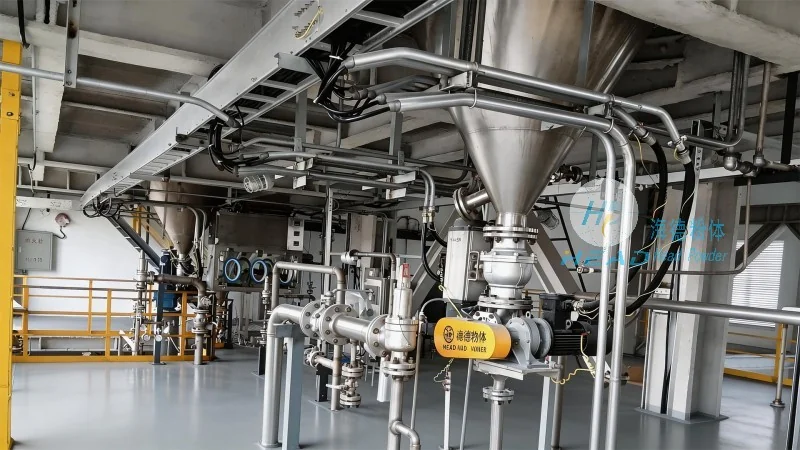
The equipment also features advanced safety and operational controls. For example, many systems include sensors and alarms to detect blockages, overloads, or other operational issues. These safety features help prevent equipment damage and ensure the safety of operators. Additionally, the integration of automation and control systems allows for remote monitoring and operation, improving efficiency and reducing downtime.
Energy efficiency is another significant feature of modern cellulose material handling equipment. Manufacturers are increasingly focusing on designing equipment that minimizes energy consumption while maintaining high performance. This includes the use of efficient motors, optimized conveyor designs, and energy recovery systems. By reducing energy costs, these features contribute to the overall cost-effectiveness of the equipment and align with sustainability goals in the industry.
Customization and adaptability are also key features. Cellulose material handling equipment can be customized to meet the specific requirements of different applications, such as the type of material being handled, the processing capacity, and the space constraints of the facility. This adaptability allows manufacturers to provide tailored solutions that maximize efficiency and productivity.
About Shandong HeadPowder Engineering Co., Ltd.
Shandong HeadPowder Engineering Co., Ltd., commonly known as HeadPowder, is a leading manufacturer of cellulose material handling equipment. With a strong focus on innovation and quality, the company has established itself as a trusted partner in the industry. HeadPowder's products are designed to meet the diverse needs of clients, ranging from small-scale operations to large industrial facilities.

HeadPowder's commitment to excellence is reflected in its use of advanced manufacturing techniques and rigorous quality control processes. The company's equipment is manufactured using high-quality materials and components, ensuring durability and reliability. Each product undergoes thorough testing and inspection to ensure it meets the highest standards of performance and safety.
HeadPowder's team of experienced engineers and technicians provides comprehensive support to clients, from initial consultation and system design to installation and maintenance. The company's expertise in cellulose material handling allows it to offer tailored solutions that address the unique challenges faced by each client. By leveraging its deep understanding of the industry, HeadPowder helps clients optimize their processes and improve overall efficiency.
HeadPowder is headquartered in Shandong, China, and serves clients worldwide. The company's facilities are equipped with state-of-the-art technology and equipment, enabling it to produce high-quality products efficiently. With a strong reputation for reliability and customer satisfaction, HeadPowder continues to be a key player in the cellulose material handling equipment market.