

Working Principle and Features of Ceramic Material Handling Equipment
HeadPowder, a leading manufacturer based in Shandong, China, specializes in the design and production of advanced ceramic material handling equipment. This article provides an in-depth exploration of the working principles and key features of such equipment, offering valuable insights for industries that rely on efficient and reliable material transport solutions.
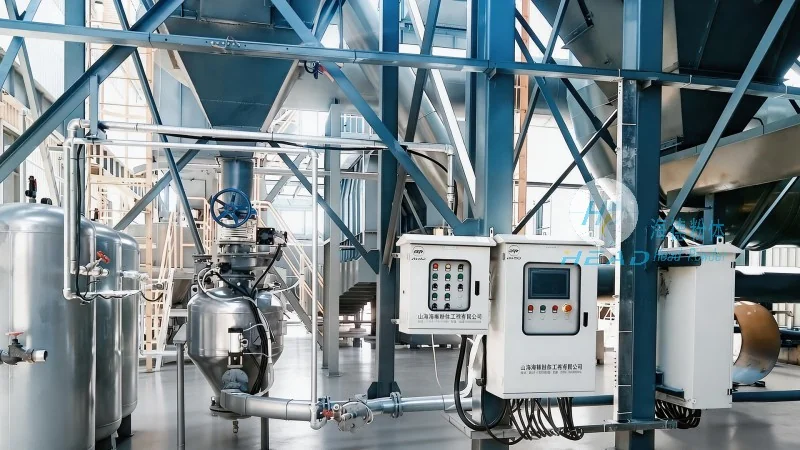
Understanding the Working Principle of Ceramic Material Handling Equipment
The core working principle of ceramic material handling equipment revolves around the efficient movement of ceramic materials from one processing stage to another. These systems are engineered to handle the unique properties of ceramic materials, such as their hardness, brittleness, and varying particle sizes. The typical workflow involves several key components working in tandem to ensure smooth operation.
First, the equipment utilizes a combination of mechanical and sometimes pneumatic systems to transport ceramic materials. For instance, conveyor belts, screw conveyors, or bucket elevators are commonly employed to move materials horizontally or vertically. The selection of the transport method depends on the specific characteristics of the ceramic material, including its density, moisture content, and flowability. Advanced models may incorporate adjustable speed controls and material flow sensors to optimize the transport process and prevent blockages or overloading.
Second, the equipment often integrates feeding mechanisms to ensure a consistent and controlled flow of ceramic materials into the transport system. This may include hoppers, feeders, or vibratory feeders that regulate the material input rate. Proper feeding is crucial to maintain the efficiency of the entire system and avoid uneven material distribution, which could lead to operational inefficiencies or equipment damage.
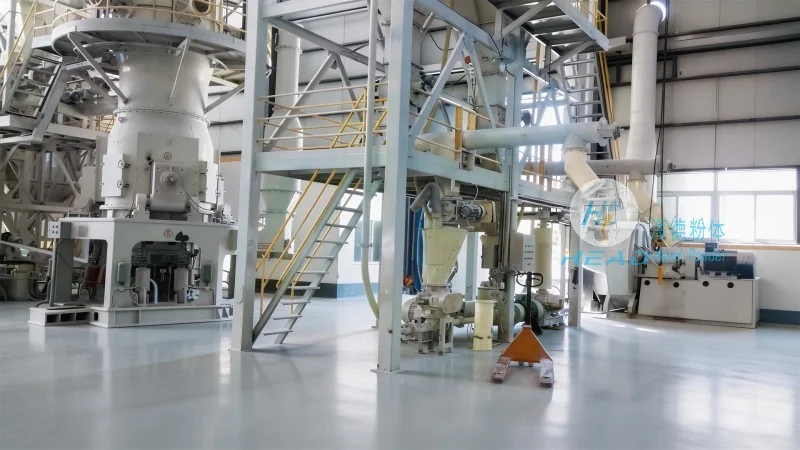
Third, the system typically includes control systems that monitor and adjust the operation based on real-time data. Sensors and feedback mechanisms help detect changes in material flow, temperature, or pressure, allowing the equipment to adapt dynamically. This automation enhances the reliability and precision of the material handling process, ensuring that ceramic materials are transported safely and efficiently throughout the production line.
Key Features of Ceramic Material Handling Equipment
Ceramic material handling equipment is characterized by several distinct features that make it suitable for the demanding requirements of ceramic manufacturing processes. These features are designed to address the unique challenges associated with handling ceramic materials, including their abrasive nature and potential for dust generation.
One of the primary features is the use of durable and wear-resistant materials in the construction of the equipment. Components such as conveyor belts, buckets, and hoppers are often made from high-quality alloys or specialized plastics that can withstand the abrasive effects of ceramic particles. This durability minimizes maintenance requirements and extends the operational lifespan of the equipment, reducing long-term costs for manufacturers.
Another critical feature is the integration of dust control measures. Ceramic processing often generates fine dust, which can be hazardous to both equipment and personnel. Modern ceramic material handling equipment incorporates dust collection systems, such as cyclones or bag filters, to capture and remove airborne particles. This not only improves workplace safety but also helps maintain the quality of the ceramic materials by preventing contamination from dust particles.
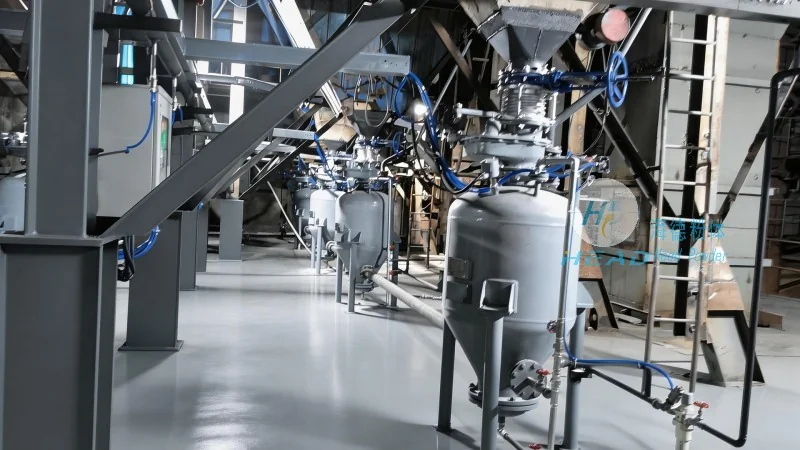
Efficiency and precision are also key features of these systems. Advanced ceramic material handling equipment is equipped with variable speed drives and precise control mechanisms that allow for accurate material flow regulation. This ensures that the right amount of material is transported at the right time, optimizing production throughput and reducing waste. Additionally, the equipment may include features like automatic shut-off or overload protection to prevent damage and ensure safe operation under varying load conditions.
Furthermore, the design of ceramic material handling equipment often emphasizes flexibility and adaptability. Many models can be customized to accommodate different types of ceramic materials and production requirements. This includes adjustable conveyor speeds, variable hopper sizes, and modular components that can be easily reconfigured. Such flexibility allows manufacturers to adapt their material handling systems as their production processes evolve, ensuring long-term relevance and efficiency.
Conclusion
In summary, ceramic material handling equipment from HeadPowder Engineering Co., Ltd. is engineered to provide reliable, efficient, and safe transport solutions for ceramic materials. By understanding the working principles and key features of these systems, industries can make informed decisions about implementing the right equipment to meet their specific production needs. The combination of durable construction, advanced control systems, and flexible design makes ceramic material handling equipment an essential component of modern ceramic manufacturing processes.