

[W]Working Principle and Features of Automatic Weighing Material Conveying Systems
When it comes to efficient and precise material handling in industrial settings, automatic weighing material conveying systems play a crucial role. These systems are designed to streamline the process of transporting and weighing bulk materials, ensuring accuracy and reliability in various production and logistics applications. Understanding the working principle and key features of such systems is essential for businesses seeking to optimize their operations and enhance productivity.
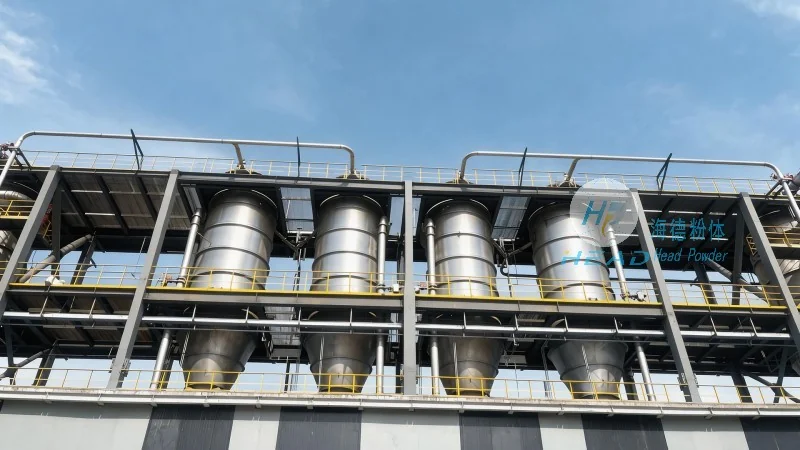
Introduction to Automatic Weighing Material Conveying Systems
Automatic weighing material conveying systems are advanced industrial solutions that integrate material handling with weighing technology. They are commonly used in industries such as food processing, pharmaceuticals, chemicals, and manufacturing, where the accurate measurement and transport of bulk materials are critical. The primary goal of these systems is to provide a seamless and automated workflow, reducing manual intervention and minimizing errors associated with traditional weighing and conveying methods.
Working Principle of Automatic Weighing Material Conveying Systems
The working principle of an automatic weighing material conveying system typically involves several integrated components working in harmony. At the core of the system is a conveyor mechanism, which may include belt conveyors, screw conveyors, or bucket elevators, depending on the material type and application requirements. This conveyor transports the material from the source to the weighing station. The weighing station, often equipped with load cells and a digital scale, measures the weight of the material as it passes through. Simultaneously, sensors and control systems monitor the flow rate and adjust the conveyor speed to maintain consistent weight measurements. The system may also include a control panel that processes the data and provides real-time feedback on the material's weight and flow rate. This integrated approach ensures that the material is conveyed accurately and weighed precisely, enabling businesses to maintain quality control and optimize their production processes.
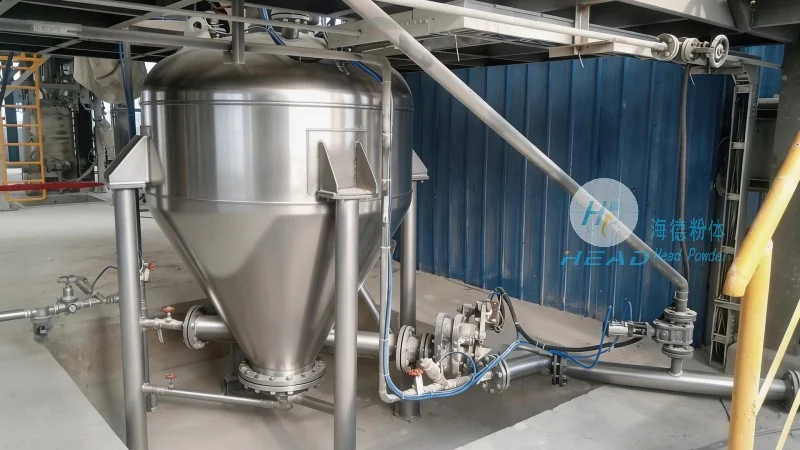
Key Features of Automatic Weighing Material Conveying Systems
Automatic weighing material conveying systems offer several key features that enhance their functionality and performance. One of the most significant features is the ability to provide real-time weight data, allowing operators to monitor the material flow and make adjustments as needed. This real-time feedback is crucial for maintaining consistent product quality and preventing over or under-feeding in production processes. Another important feature is the integration of automated control systems, which can adjust the conveyor speed based on the material's weight, ensuring that the system operates efficiently and reduces energy consumption. Additionally, these systems often include safety features such as emergency stop buttons and overload protection, which enhance operational safety and prevent equipment damage. The modular design of many automatic weighing material conveying systems allows for easy customization and expansion, making them suitable for a wide range of applications and future growth needs. Furthermore, the use of durable materials and robust construction ensures that the system can withstand harsh industrial environments and maintain long-term performance.
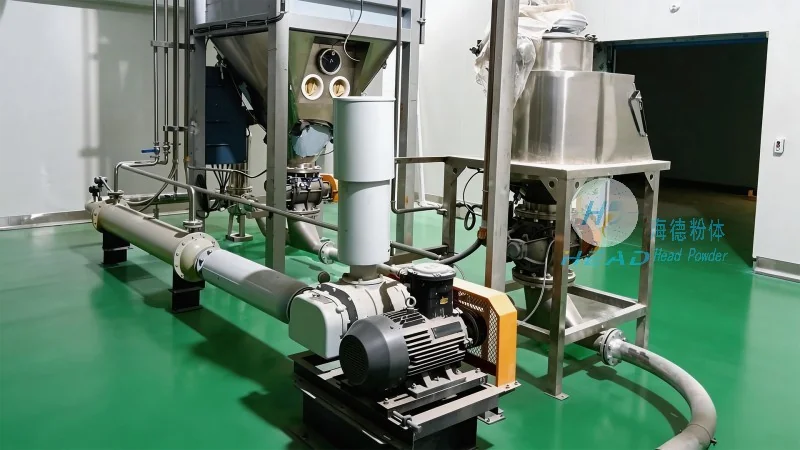
Applications and Benefits of Automatic Weighing Material Conveying Systems
Automatic weighing material conveying systems are widely used in various industrial applications where precise material handling and weighing are essential. In the food industry, these systems are used for transporting and weighing ingredients such as flour, sugar, and grains, ensuring consistent product quality and compliance with regulatory standards. In the pharmaceutical industry, they are employed to handle and weigh raw materials and finished products, maintaining the high standards of purity and accuracy required in drug manufacturing. The chemical industry also benefits from these systems, as they help in the precise measurement and transport of chemicals, reducing the risk of contamination and improving process efficiency. The benefits of using automatic weighing material conveying systems extend beyond just accuracy and efficiency. They also contribute to improved safety by reducing manual handling of heavy materials, which can lead to workplace injuries. Additionally, the automation of the process minimizes human error, leading to better product consistency and reduced waste. The systems also enhance operational flexibility, allowing businesses to adapt to changing production demands and scale their operations as needed.
Company Information: Shandong HeadPowder Engineering Co., Ltd.
Headquartered in Shandong, China, Shandong HeadPowder Engineering Co., Ltd. is a leading manufacturer of industrial material handling solutions. The company specializes in the design, development, and production of automatic weighing material conveying systems, catering to a wide range of industries including food processing, pharmaceuticals, and chemicals. With a strong emphasis on innovation and quality, HeadPowder has built a reputation for delivering reliable and efficient equipment that meets the highest standards of performance and durability. The company's team of experienced engineers and technicians work diligently to ensure that each system is tailored to the specific needs of clients, providing customized solutions that enhance operational efficiency and productivity. HeadPowder's commitment to customer satisfaction and technical excellence has made it a trusted partner for businesses worldwide, helping them achieve their production goals with precision and reliability.