

Working Principle and Characteristics of Positive Pressure Dense Phase Material Transport
Positive pressure dense phase material transport is a specialized method for conveying bulk materials, widely used in various industrial sectors such as chemical, pharmaceutical, food processing, and mining. This technology operates by pressurizing the material in a pipeline to achieve a dense, plug-like flow, which significantly enhances the efficiency and reliability of material handling compared to traditional methods like pneumatic conveying or gravity flow.
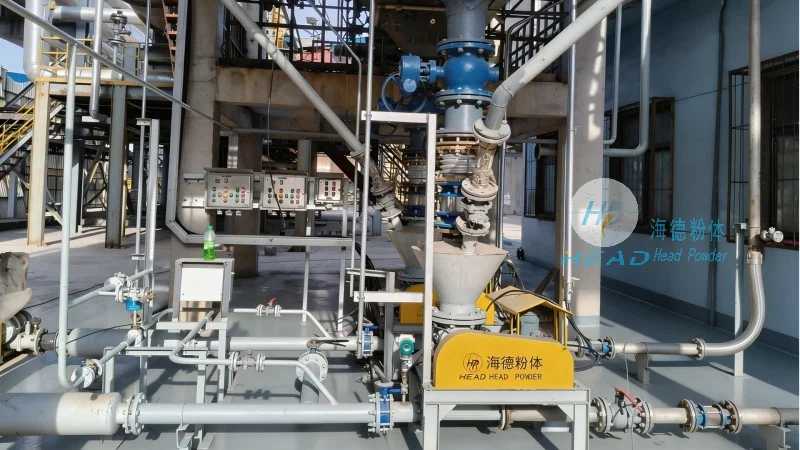
The working principle of positive pressure dense phase material transport involves several key steps. First, the material is fed into a hopper or feeder, where it is then introduced into a pressurized pipeline. A compressor or blower supplies the necessary air pressure, typically ranging from 0.5 to 2.0 bar, depending on the material's properties and the system's design. The pressurized air mixes with the material, creating a dense mixture that moves through the pipeline as a plug flow rather than a dilute suspension. This plug flow minimizes particle segregation and ensures a consistent flow rate, which is crucial for maintaining process stability.
One of the primary advantages of this technology is its ability to handle a wide range of materials, including powders, granules, and even fine particles that are prone to caking or bridging in traditional systems. The dense phase flow prevents material from settling or clogging the pipeline, reducing the risk of blockages and downtime. Additionally, the positive pressure system allows for longer conveying distances and higher material throughput compared to other pneumatic conveying methods, making it suitable for applications where traditional solutions are inadequate.
Another important characteristic is the control over material velocity and pressure. By adjusting the air pressure and flow rate, operators can precisely control the material's velocity, ensuring that it reaches the destination without excessive wear on the pipeline or equipment. This control also helps in maintaining the material's quality, as it minimizes exposure to air and reduces the risk of oxidation or degradation, which is particularly critical for sensitive materials like pharmaceuticals or food products.
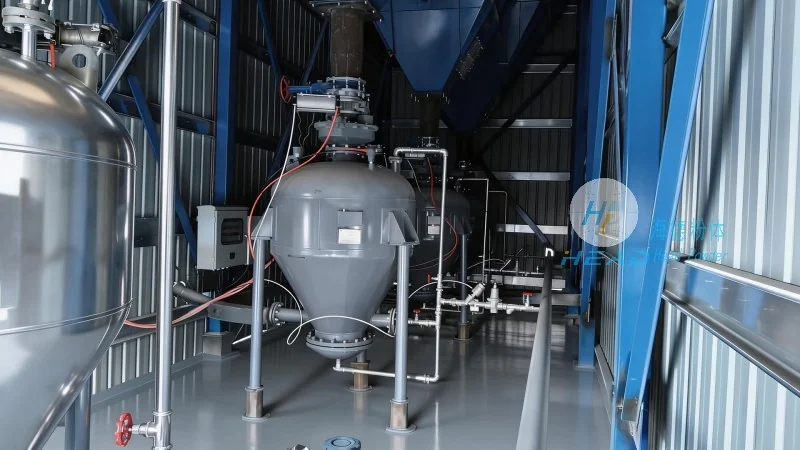
The system's design typically includes components such as a feeder, a pressure vessel, a pipeline network, and a receiver. The feeder ensures a consistent material feed rate, while the pressure vessel maintains the required pressure and prevents air leakage. The pipeline is usually made of durable materials like stainless steel or polyethylene to withstand the pressure and corrosive properties of the conveyed materials. The receiver is designed to collect the material at the end of the pipeline, often with a venting system to release excess air and prevent pressure buildup.
From a practical standpoint, positive pressure dense phase material transport offers several benefits that make it a preferred choice for many industries. For example, in the chemical industry, it can handle corrosive powders and granules without the need for extensive equipment modifications. In the pharmaceutical sector, the system's ability to maintain a sterile environment and prevent cross-contamination is essential, and the dense phase flow helps in achieving this by minimizing particle exposure to air. Similarly, in food processing, the technology ensures that the conveyed materials remain fresh and free from contaminants, meeting stringent quality standards.
When considering the implementation of a positive pressure dense phase material transport system, several factors must be taken into account. The first is the material's physical properties, such as particle size, density, and moisture content, as these affect the required air pressure and flow rate. The second is the conveying distance and elevation changes, as these determine the system's design and component selection. The third is the desired throughput and flow rate, which influences the size of the feeder and compressor. Proper system design and maintenance are crucial to ensure optimal performance and longevity of the equipment.
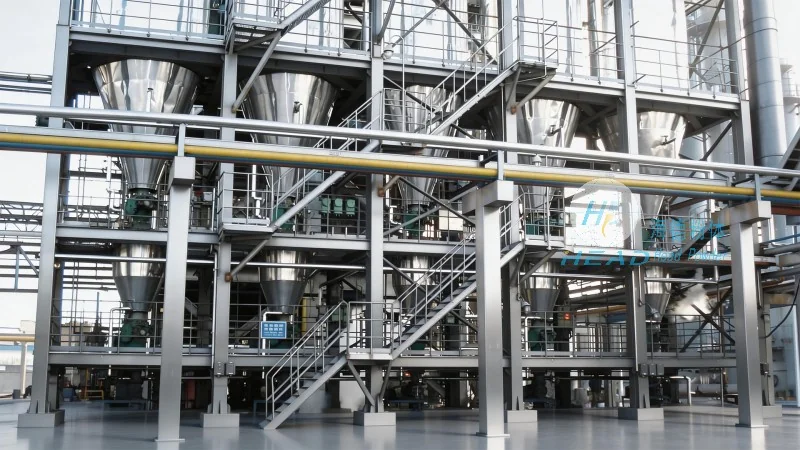
Shandong HeadPowder Engineering Co., Ltd., a leading provider of material handling solutions, specializes in designing and manufacturing positive pressure dense phase material transport systems tailored to the specific needs of various industries. With years of experience and a commitment to quality, the company offers customized solutions that enhance efficiency, reduce costs, and improve product quality. The company's team of engineers and technicians work closely with clients to understand their unique requirements and develop systems that meet or exceed industry standards.
HeadPowder's approach to system design emphasizes the integration of advanced technology and practical application. By leveraging their expertise in material science and fluid dynamics, the company ensures that each system is optimized for the specific material being conveyed. This includes selecting the appropriate air pressure, pipeline diameter, and component materials to achieve the best possible performance. The company also provides comprehensive support, including installation, commissioning, and ongoing maintenance services, to ensure that clients can maximize the benefits of their investment.
For industries seeking reliable and efficient material handling solutions, positive pressure dense phase material transport is an excellent choice. With its ability to handle a wide range of materials, maintain consistent flow rates, and minimize downtime, this technology offers significant advantages over traditional methods. By partnering with a reputable company like Shandong HeadPowder Engineering Co., Ltd., businesses can ensure that their material transport systems are designed and implemented to meet their specific needs, providing long-term benefits and improved operational efficiency.