

Working Principle and Characteristics of Sodium Chlorate Powder Conveying
Understanding the working principle and characteristics of sodium chlorate powder conveying is crucial for industries that handle this chemical. This article provides a detailed overview, focusing on the technical aspects and operational features of transporting sodium chlorate as a bulk material.
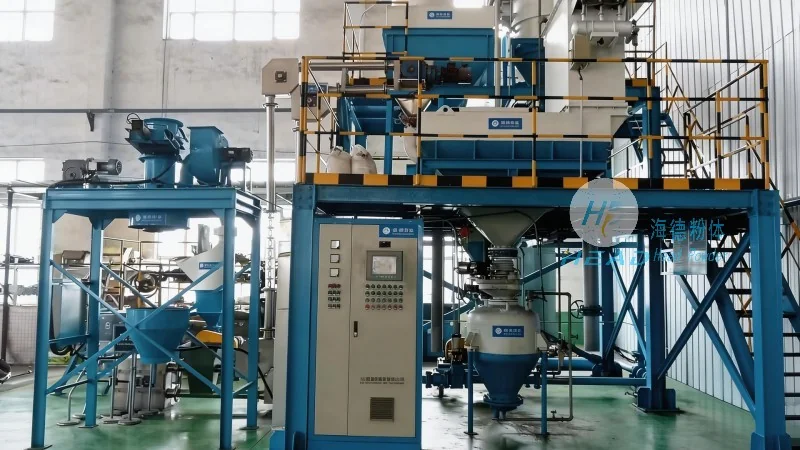
Company Profile: Shandong HeadPowder Engineering Co., Ltd.
Shandong HeadPowder Engineering Co., Ltd., commonly known as headpowder, is a leading provider of powder handling solutions. With a strong presence in China, particularly in Shandong province, the company specializes in engineering systems for the safe and efficient transport of various powders, including sodium chlorate. Their expertise lies in designing and implementing customized conveying systems tailored to the unique properties of each material.
The Working Principle of Sodium Chlorate Powder Conveying
The process of sodium chlorate powder conveying typically involves the use of specialized equipment designed to handle the chemical's physical and chemical properties. Sodium chlorate is a white crystalline powder, highly soluble in water and known for its oxidizing properties. When transporting this material, the primary challenge is to ensure that the powder moves without causing dust explosions or contamination. The working principle often relies on a combination of mechanical and pneumatic systems.
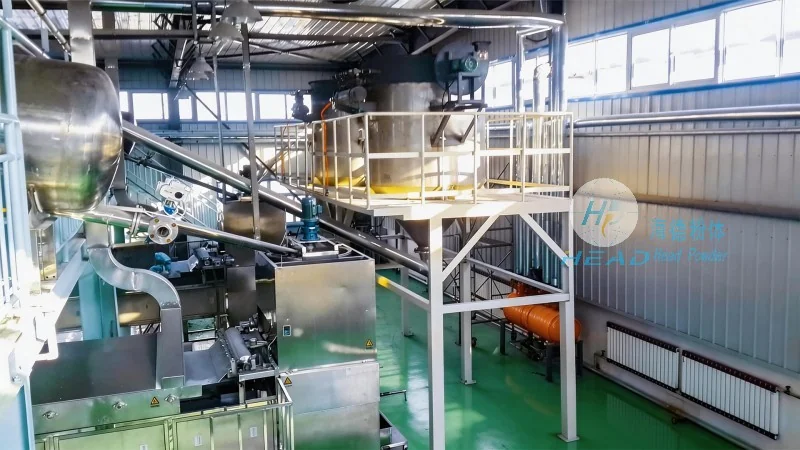
One common method is the use of a screw conveyor or a pneumatic conveying system. In a screw conveyor, the powder is moved through a rotating screw within a tube, which applies gentle pressure to push the material forward. This method is suitable for moderate volumes and is relatively low-cost. For larger or more complex applications, pneumatic conveying systems are employed. These systems use compressed air to create a flow that carries the powder particles through a pipeline. The air pressure and velocity are carefully controlled to prevent particle degradation and ensure consistent flow rates.
Another important aspect of the working principle is the handling of the material's moisture content and particle size. Sodium chlorate can be hygroscopic, meaning it absorbs moisture from the air, which may affect its flowability and stability. Therefore, conveying systems often include drying or conditioning steps to maintain the powder's quality. Particle size distribution is also critical; finer particles may require more careful control to avoid clogging or excessive pressure drops in the conveying lines.
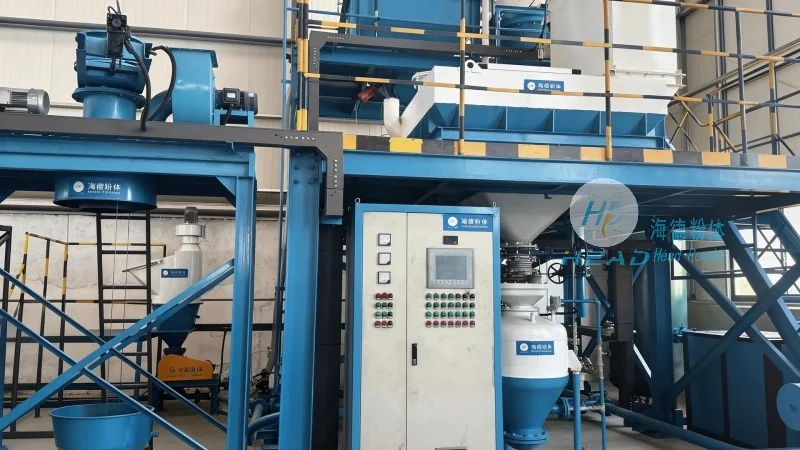
Key Characteristics of Sodium Chlorate Powder Conveying Systems
When evaluating sodium chlorate powder conveying systems, several key characteristics stand out as essential for safe and efficient operation. First, the system must prioritize safety due to the oxidizing nature of sodium chlorate. This includes features such as explosion-proof designs, proper ventilation, and the use of non-sparking materials in the equipment. The risk of dust accumulation and potential ignition sources is a major concern, and systems are designed to minimize these risks through regular maintenance and monitoring.
Efficiency is another critical characteristic. The conveying system should maintain a consistent flow rate with minimal energy consumption. This is achieved through optimized design of the conveying lines, appropriate air pressure settings, and the use of high-quality components that reduce wear and tear. The ability to handle varying loads and adapt to changes in production rates is also important, ensuring that the system can meet the demands of different operational scenarios.
Environmental considerations are also a significant characteristic. Modern conveying systems often incorporate dust collection and filtration systems to prevent the release of fine particles into the environment. This not only complies with environmental regulations but also protects the health and safety of workers. The use of closed-loop systems, where the powder is contained throughout the conveying process, further enhances environmental performance.
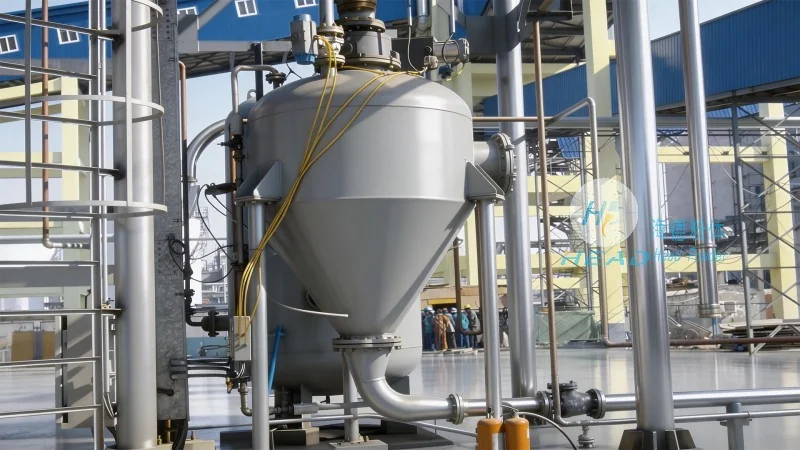
Another notable characteristic is the adaptability of the system to different plant layouts and operational requirements. Whether in a new facility or an existing plant, the conveying system can be customized to fit the available space and integration needs. This flexibility allows industries to implement the most suitable solution without major disruptions to their production processes.
Conclusion
In summary, the working principle of sodium chlorate powder conveying involves specialized equipment designed to handle the chemical's properties safely and efficiently. Key characteristics include safety features, operational efficiency, environmental compliance, and adaptability. By understanding these aspects, industries can select and implement the most appropriate conveying systems for their sodium chlorate handling needs, ensuring optimal performance and compliance with industry standards.